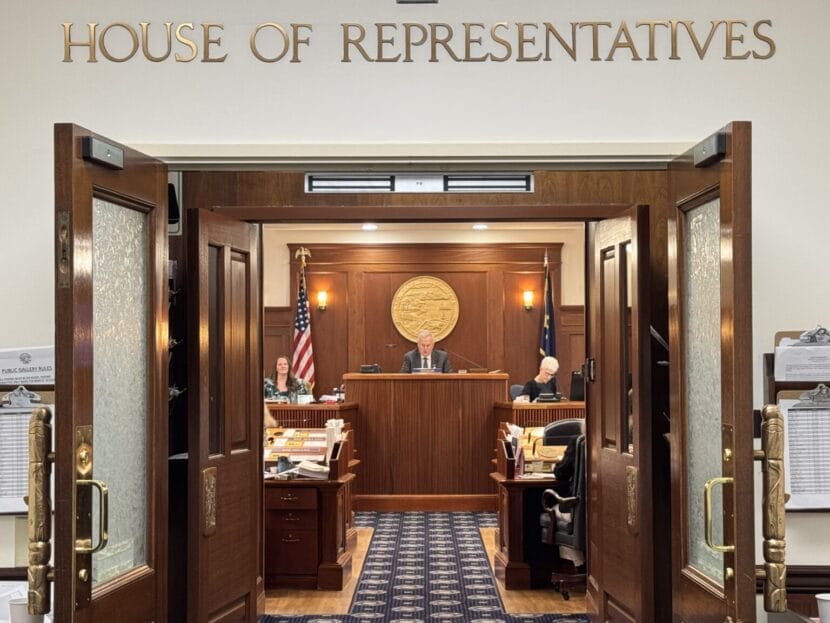
Civics education would be included among graduation requirements for all Alaska high schoolers, under a bill passed by the Alaska Legislature in the final hours of the legislative session last week.
The new requirement aims to bolster Alaska students’ knowledge and understanding of the U.S. government and civic responsibilities. It comes amid declining public trust in government, the bill’s sponsor, Senate President Gary Stevens, R-Kodiak, told the Alaska Beacon last month.
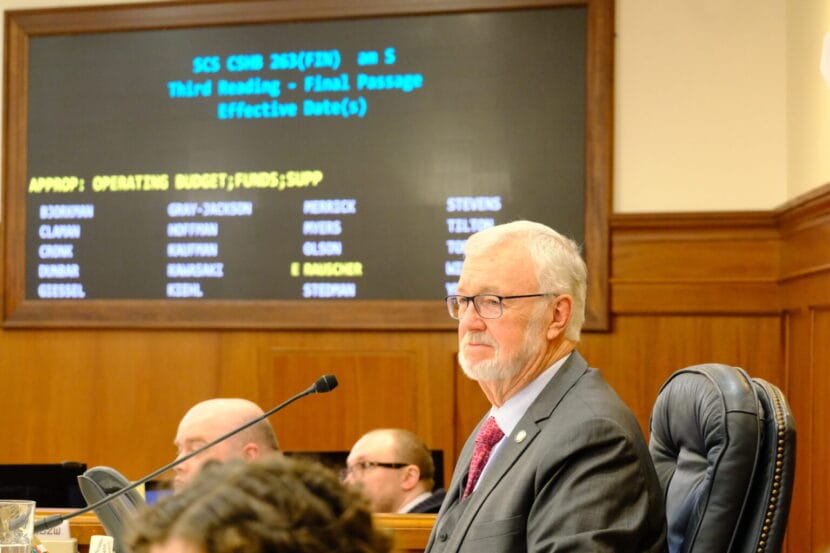
Students would have three options to choose from to complete the requirement: complete and pass a semester of civics curriculum, pass a civics exam or complete a civics project-based assessment.
Lawmakers passed Senate Bill 23 by a combined vote of 57 to 3. The bill now goes before Gov. Mike Dunleavy to sign, veto or allow it to pass into law without his signature.
Under the proposal, school districts would be able to develop civics curriculums based on open-access, no cost resources provided by the Alaska Department of Education and Early Development across 14 areas of government and public affairs:
- the founding history of the United States, including foundational documents and the principles of government of the United States; federalism, including the role and operations of local, state and national governments;
- the institutions of the United States government, including the responsibilities of the executive, legislative and judicial branches;
- the rights and responsibilities of United States citizenship;
- civil liberties and civil rights;
- the Constitution of the State of Alaska and the Constitution of the United States;
- political parties and interest groups;
- campaigns and elections;
- the United States Congress;
- domestic policy;
- foreign policy;
- comparative systems of governments used globally and by Alaska Native people;
- international relations; and
- major issues facing local, state and the United States governments.
The initiative comes at a time when the United States is seeing a growing public distrust in government and deepening political polarization. A survey last year by the non-partisan Pew Research Center found public distrust is at one of its lowest points in the nation’s history, with just 17% of respondents saying they trust the federal government to “do what is right.”
Stevens declined to comment on the bill passing the Legislature when asked at the Capitol on Wednesday. He said he would wait to comment after the governor’s decision on the bill. Lawmakers have passed 114 bills in this two-year legislative term. But Dunleavy has vetoed 12 bills so far and will consider dozens more in the next few weeks.
Lawmakers are in a high-stakes 30-day special session called by Dunleavy to discuss potential state property tax relief for the proposed Alaska LNG gas line project. The special session is expected to go to June 21.