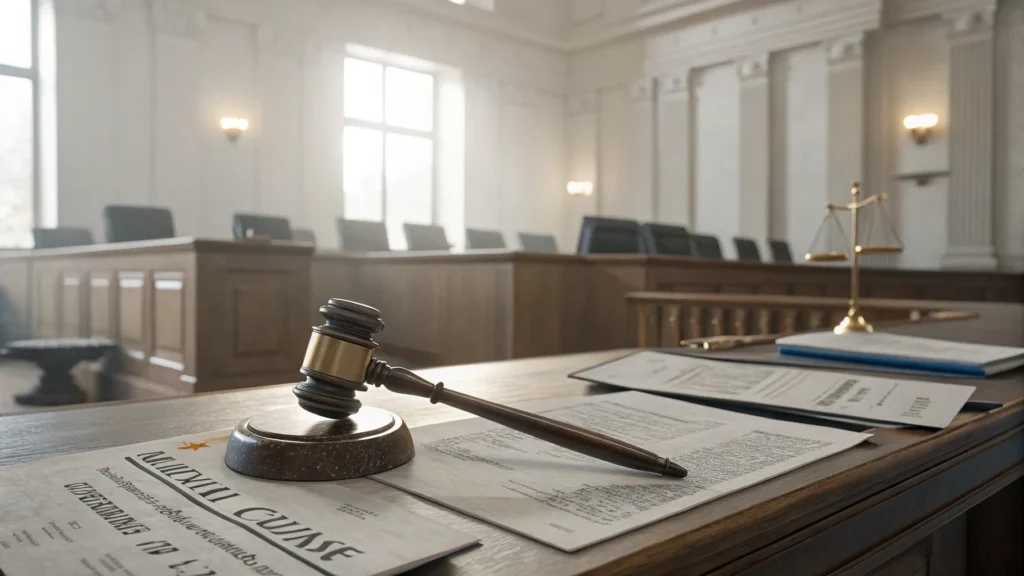
A civil jury concluded this week that Elon Musk waited too long to sue Sam Altman and his colleagues over control of a charity, shutting down a high-profile dispute that blended questions of nonprofit governance with the fast rise of commercial artificial intelligence. The decision turned not on the facts of who steered an organization, but on timing, finding the claims were filed after the legal deadline.
“The jury decided it was too late for Elon Musk to sue Sam Altman and Co. for stealing a charity.”
The ruling closes a chapter in a clash between two of the most famous figures in tech. It also spotlights a hard legal limit that can decide cases before jurors ever weigh the merits: statutes of limitations.
How a Mission Dispute Became a Legal Fight
Musk and Altman were early allies in efforts to build safe artificial intelligence. In 2015, they helped launch a nonprofit with a stated mission to develop AI for public benefit. As research costs grew, the structure evolved. In 2019, a capped-profit arm was formed to draw investment while tying returns to a ceiling.
That shift fueled debate over whether a public mission had been diluted by commercial goals. Critics argued the nonprofit’s control weakened as the business unit gained influence. Supporters said the hybrid model was necessary to fund expensive computing and talent.
Musk and Altman’s relationship frayed as their AI paths diverged. Musk left the nonprofit’s board in 2018. Since then, he has launched his own AI ventures and spoken publicly about risks and oversight. The jury’s decision puts a legal boundary around how far those arguments can be pressed in court after the fact.
The Legal Question: Timing, Not Just Control
At the center of the verdict was an often decisive threshold issue: when the clock starts on a claim. Statutes of limitations set strict filing windows. Once they close, even compelling allegations may not be heard.
Jurors determined that the key events alleged in the suit occurred long enough ago that the deadline had passed. That finding spared them from issuing a broader judgment on who controlled the mission or whether donors and founders were misled.
- Statutes of limitations vary by claim and jurisdiction.
- Deadlines can be extended only in narrow circumstances.
- Timing disputes often decide nonprofit governance cases.
Legal analysts say the case is a reminder to act quickly when charitable assets or missions appear to shift. Delays can foreclose relief, even if concerns later prove well-founded.
Industry Impact and Public Trust
The verdict lands in a sector where nonprofit ideals and commercial scale often sit side by side. AI research demands capital, and investors expect returns. That tension shapes decisions about governance, transparency, and accountability.
For donors and the public, questions linger. How should nonprofit boards document decisions that introduce profit motives? What disclosures should be made when founders depart and structures change?
Governance experts point to basic steps: clear bylaws, independent oversight, and regular reporting on conflicts of interest. These practices help defend decisions if they face legal or public challenges later.
What Each Side Can Claim
Altman and his colleagues can point to the verdict as procedural validation. The court found the complaint came too late. That does not resolve deeper disputes about mission, but it ends this lawsuit.
Musk can argue that the case elevated public attention to nonprofit control in AI. The proceedings, even cut short by timing, highlighted a model that blends public benefit with private capital.
For the sector, the practical lesson is direct. Process and documentation matter, and so does the calendar.
What to Watch Next
The decision will not settle the policy debate over AI’s public obligations. Lawmakers and regulators continue to examine how hybrid nonprofit–for-profit structures should be governed. Future cases may focus less on timing and more on duties of care, loyalty, and disclosure.
Investors and donors will watch board decisions, licensing arrangements, and information rights. Researchers will look for assurances that safety work is insulated from commercial pressure. The public will judge by outcomes, including how benefits and risks are shared.
The jury’s finding closes this courtroom fight, but the larger questions remain. The next tests may come in boardrooms, legislatures, or new suits brought on time. For now, the message is simple: in disputes over mission and control, timing can decide everything.