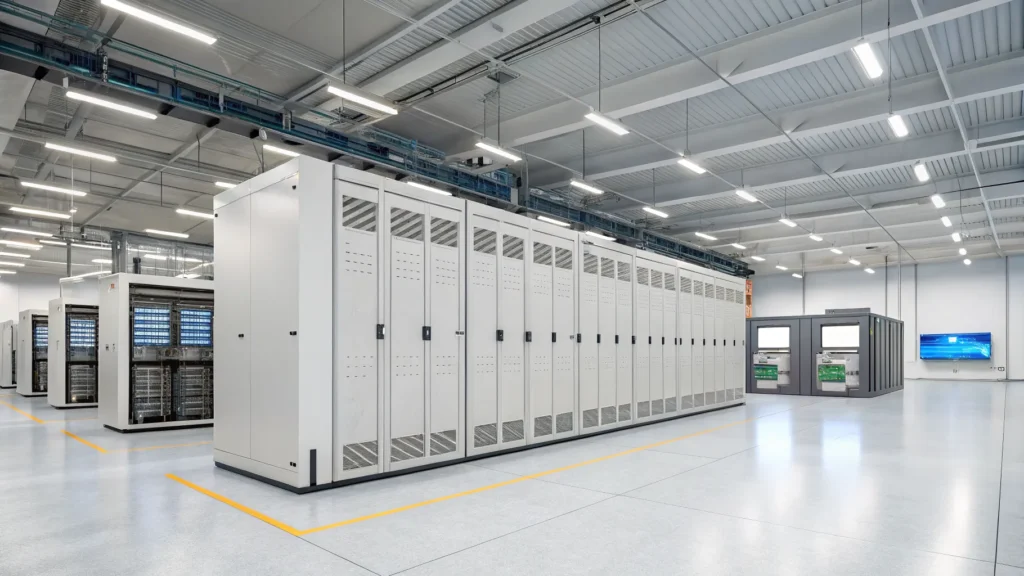
Nextpower is buying a battery storage company, adding to a wave of deals fueled by rising electricity demand and the push for reliable power. The move signals confidence in storage as a key part of the grid. It also reflects a broader hunt for assets that can balance peaks and dips in clean energy.
Why This Deal Matters Now
Power demand is climbing as homes, businesses, and data centers use more electricity. More solar and wind are coming online, but they do not run all the time. Batteries help smooth that mismatch by storing energy when supply is high and releasing it when supply is tight. Investors have chased these assets because they can respond fast and earn revenue across different grid services.
The purchase by Nextpower aligns with recent activity from utilities, infrastructure funds, and independent power producers. Buyers want projects and talent that can scale quickly. They also want predictable cash flows tied to grid needs. While terms were not shared, the direction is clear. Companies are racing to add storage to meet new demand patterns.
What The Company Is Saying
“Nextpower is buying a battery storage company, the latest acquisition in an industry where growing electricity demand is driving dealmaking.”
The statement highlights two forces at work. First, demand growth is reshaping investment priorities. Second, storage sits at the center of that shift. The deal suggests Nextpower plans to expand its role in flexible power. It also suggests a belief that policy and market rules will continue to reward fast-acting assets.
Market Context And Recent Trends
Over the past few years, storage has moved from pilot projects to grid-scale fleets in several regions. Developers have paired batteries with solar to boost value and cut curtailment. Grid operators have opened more markets for fast frequency response and peak shaving. Financing has matured as lenders gain comfort with merchant revenues and hybrid contracts.
Deal flow has tracked those changes. Acquisitions have ranged from early-stage pipelines to operating fleets. Some buyers want development expertise. Others want interconnection rights and local teams. Supply chains for cells, inverters, and control software have improved, though cost swings remain a risk.
Stakeholder Views And Risks
Supporters of the deal argue that more storage will help prevent blackouts and ease pressure during heat waves and cold snaps. They say storage can defer costly grid upgrades and stabilize prices. Critics warn about revenue volatility, battery life degradation, and the need for strong safety standards. They also point to permitting timelines and local concerns near project sites.
- Upside: faster grid response, better use of renewables, new revenue streams.
- Risks: price swings, supply chain shocks, evolving market rules.
- Mitigants: long-term contracts, diversified markets, proven safety practices.
What To Watch Next
Integration will be the first test. Nextpower will need to blend teams, software, and operations without delays. Success often depends on optimizing dispatch across energy, capacity, and ancillary services. The second test will be project growth. Interconnection queues are crowded, so timing matters. The third test is policy. Market design, incentives, and safety codes can change the outlook quickly.
Technical performance will also draw attention. Cycle rates, efficiency, and degradation curves drive returns. Operators are improving algorithms to protect batteries while still capturing peak prices. Cybersecurity is another focus as storage fleets connect through control systems and aggregators.
Outlook For Storage And Dealmaking
More consolidation is likely as companies seek scale, data, and procurement power. Storage is becoming a core part of clean energy portfolios, not a side project. Deals may include co-located solar, standalone batteries near load centers, and assets that support data centers. As demand grows, systems that can respond in seconds will gain value.
For Nextpower, the acquisition signals a plan to compete in that space. It also sets a marker for peers weighing build-versus-buy strategies. If integration goes well, the company could accelerate project delivery and sharpen bidding in capacity and ancillary markets.
Nextpower’s purchase captures a simple trend with far-reaching effects. Power needs are rising, and the grid needs flexibility. Storage is one way to meet that need. The next year will show whether buyers can convert bold plans into reliable, profitable operations. Watch for delivery timelines, safety records, and the pace of new offtake contracts as signs of progress.