
Businesses routinely offer discounts and coupons as enticements to get people to spend money, or to buy something they wouldn’t normally purchase if they had to pay full price.
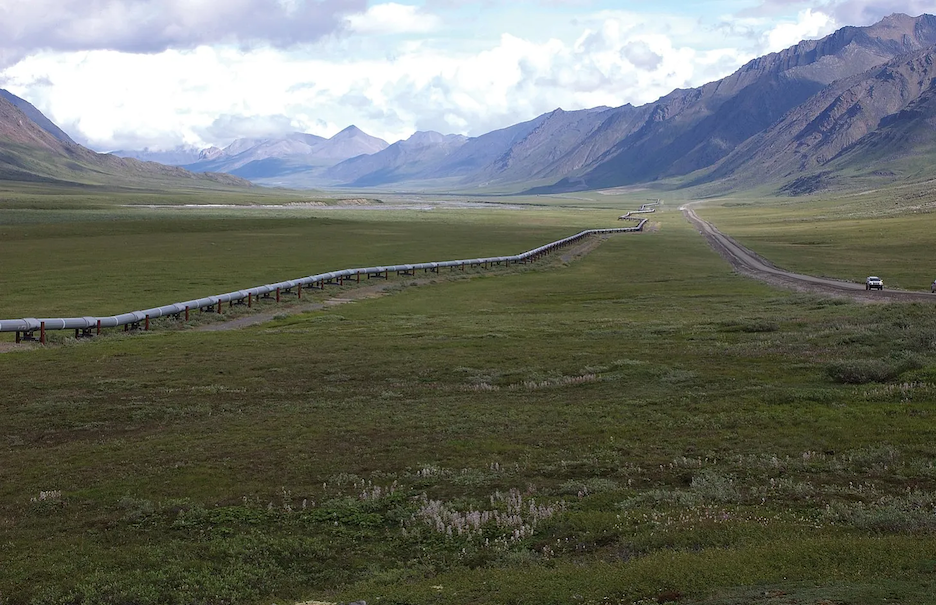
It’s the same for the proposed Alaska North Slope natural gas pipeline project.
The dream has been around for almost 60 years, but no one has been willing to pay full price. So now, the Legislature and the governor are welded together in a political debate over just how much of a discount coupon the state should offer to get the project built.
The governor and the developer, a private company named Glenfarne, want a massive discount on property taxes. Without the tax relief, they say, the project will never get built and the state treasury and the public will be the losers.
The political fight isn’t so much whether tax relief is a valid incentive for the state to offer, but how much of a discount the state should offer and when it should expire.
There’s no question that even with the property tax relief the project would produce tax and royalty wealth for the state treasury, jobs for Alaskans and work for contractors. That’s similar to a grocery store that offers a big discount on milk or butter, knowing it will profit from everything else the shopper buys. It may take a discount on the heavy property tax burden to get the pipeline developer to make the purchase decision.
But no business issues coupons without an expiration date. The cost of goods change, economics and business plans change. Stores need the flexibility to protect their own interests.
The state needs to think the same as a supermarket and put an expiration date on its tax coupon so that lawmakers can change the terms up or down if the discount does not result in a sale.
The House version of the tax bill contains no expiration date. The Senate version says the coupon goes away if the developer does not start moving gas through the pipeline by Dec. 31, 2032. The governor’s proposal gives Glenfarne more than a decade to put the pipeline into operation, Jan. 1, 2037.
It’s similar to the story of Goldilocks and the Three Bears. The House no-deadline is too weak; the governor’s 2037 deadline is far too rich; the Senate option is just the right temperature.
Besides, based on past public statements by Glenfarne and the governor, getting the first gas flowing through the pipeline by 2032 should be easy.
The company in January issued a public statement that it was targeting “mechanical completion” of the line by the end of 2028 and first gas flows in 2029. The governor has talked about gas moving in 2028 or 2029. Yet now both the governor and Glenfarne say a 2032 expiration date on the tax coupon is unreasonable and would kill the project.
They never said they might need until 2032 when they were overselling and overpromoting the project to the public over the past year.
Besides, the venture already faces expiration dates. Federal Energy Regulatory Commission authorization to build and operate the project expires in 2030; Department of Energy approval to export U.S. gas overseas expires in 2032. Both expiration dates allow regulators to take a new look at the project, its environmental impacts and the market before granting an extension.
The state deserves the same. If the company does not commit to build and put the line into operation by the just-right deadline in the Senate version, the state should have the right to cancel the coupon and reconsider how much of a discount is in Alaska’s best interests.