Some in the N.W.T mining industry consider the two major projects ‘inextricably linked’
As the CEO of a newly-created company with a sizable gold mining project northeast of Yellowknife, Mark Ashley is keeping a close eye on northern major projects.
“Very much so,” he said. “It’s pretty important.”
He said last week’s announcement that the Grays Bay Road and Port project is being considered for listing as a project of national interest under the Build Canada Act is good news for another major project: the Arctic Economic and Security Corridor, on the Northwest Territories side of the border.
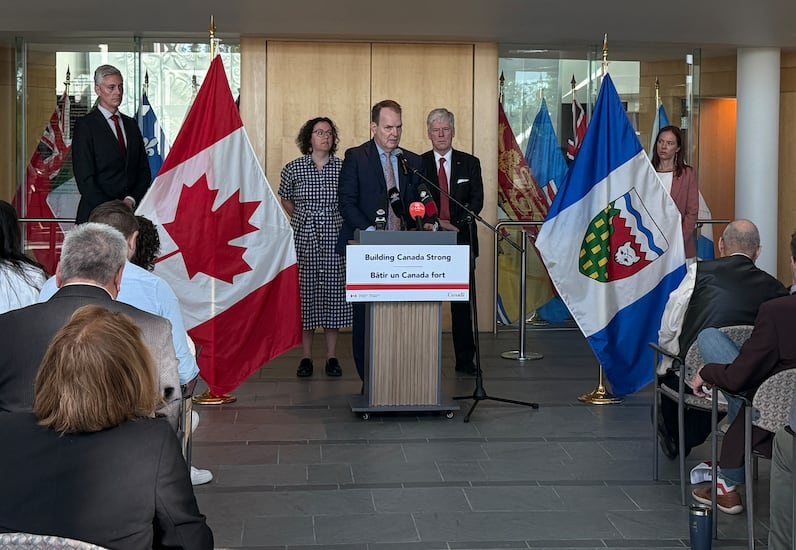
The Grays Bay and corridor projects used to be considered one and the same, but were split up at the Nunavut-N.W.T. border when they were both referred to the Major Projects Office in March.
The corridor would connect Yellowknife to the Grays Bay road in Nunavut should both major projects be built, though its exact path has yet to be confirmed.
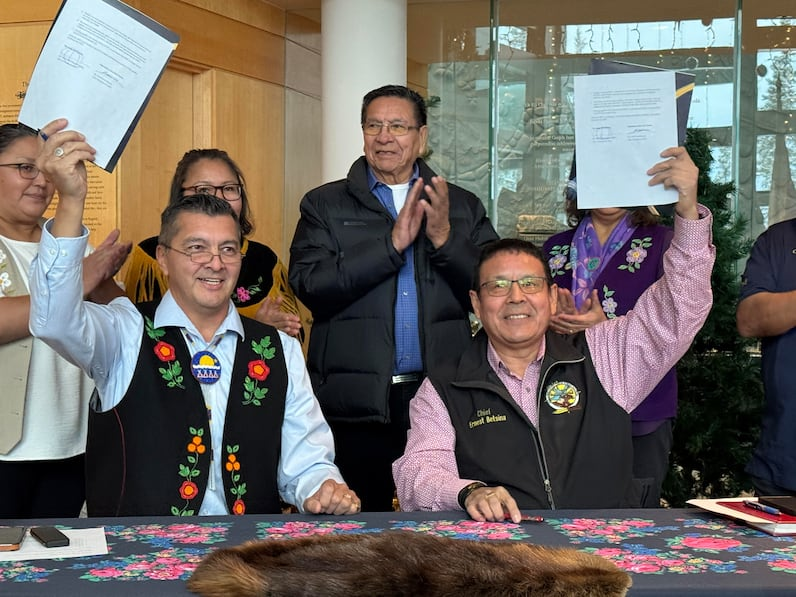
It is currently being developed by the Tłı̨chǫ government and the Yellowknives Dene First Nation, who are advancing the project in partnership with the N.W.T. government.
In an emailed statement, a Yellowknives Dene First Nation spokesperson wrote the Grays Bay announcement “reflected the development of necessary infrastructure in the North that will positively benefit the security, economy and the well-being of our communities.”
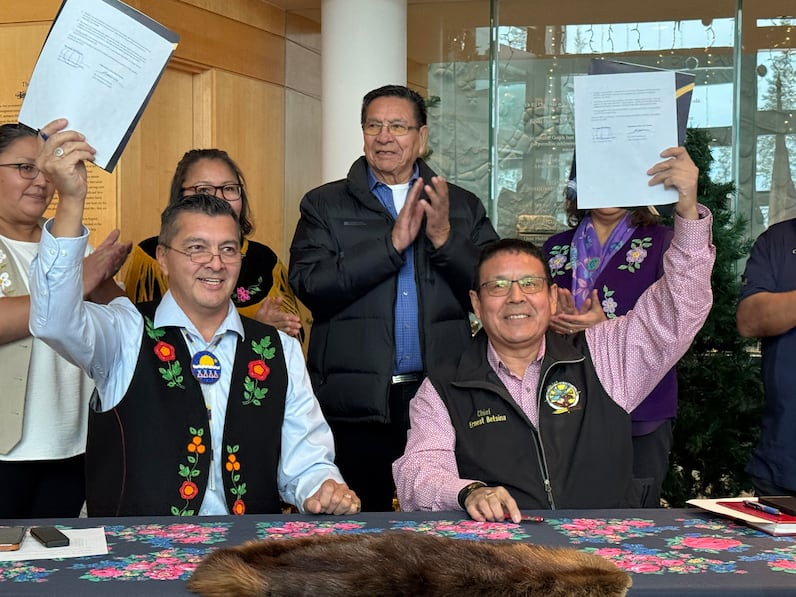
The Tłı̨chǫ government did not provide an answer to CBC’s interview request by deadline.
Ashley and others in the N.W.T. mining sector welcomed the news as a good step forward for a major project that could potentially improve the business outlook for new mines in the Slave Geological Province, a mineral-rich area between the N.W.T.’s Great Slave Lake and Nunavut’s Coronation Gulf.
‘A big step in the right direction’
Ashley’s company, Valor Gold, was recently created to assume charge of the Courageous Lake gold mining project, which was previously under Seabridge Gold.
The gold project sits in the area where the potential corridor could go through.
Some have questioned the impact of last week’s announcement since it fell short of actually listing the Grays Bay project as a project of national interest.
Ashley said for his part, there was value in the update for both his company and its investors.
“It’s still early days to some extent, but it’s highlighting, I think importantly, the commitment of the government,” he said. “It is a big step in the right direction.”
Paul Hébert, CEO of the Northwest Territories and Nunavut Chamber of Mines, said his organization also pays “close attention” to major projects announcements like last week’s.
“We’ve got some dire infrastructure needs and anything that moves in the direction of addressing those needs is welcome news,” he said.
From his perspective, the Grays Bay and corridor projects are “inextricably linked” and the Grays Bay announcement “bodes well” for the corridor.
Business upside
Hébert said the chamber hasn’t seen interest in the major project translate into activity just yet, but that he is aware it is “definitely capturing the interest” of mining companies.
He said he expects movement will come when shovels break ground and the project moves forward in a more tangible way, with potential upticks in exploration activity.
Hébert said currently, exploration costs are way higher in the North than in southern Canada because of a lack of infrastructure.
“Once those roads are in place, those exploration companies can get access to the ground they need,” he said.
He said, however, that there are also other factors that will define how much activity a road generates, especially commodity prices.
The proposed project would build an all-season road connecting a deepwater port in Nunavut to the Northwest Territories. The Nunavut Impact Review Board has now accepted the project’s impact statement after sending it back for revisions earlier this year.
Ashley said the benefits of an all-season road would not likely be big enough to shield the project from potential commodity price fluctuations.
Where the difference lies, he said, is in the cost of building the project and its potential access road if it could be connected to the corridor road.
The Courageous Lake site could become accessible for more days out of the year if it did not have to rely on ice roads and flying in, he said.
He said there’s little point in having a “fantastic project with great returns” if a limited access window throughout the year makes the financing unviable.
Ashley said Valor Gold is in talks with the Indigenous governments who will ultimately decide what the Arctic Economic and Security Corridor’s route will be.
“We don’t know yet,” he said, “but we’re waiting with bated breath.”
Sarah St-Pierre · CBC News