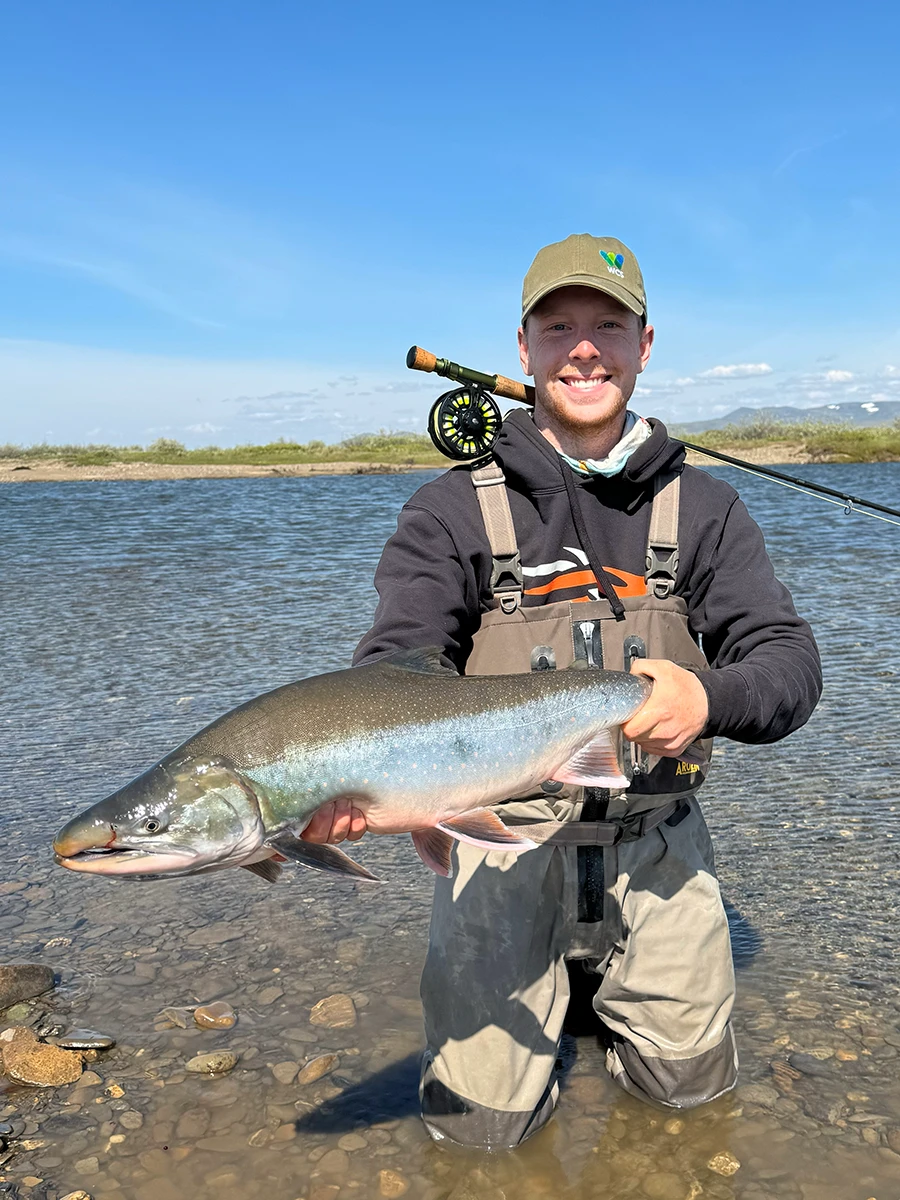
Alaska coastal lagoons are among the most overlooked flyfishing waters in the state, tucked into remote stretches of Alaska’s Chukchi Sea coast. Here’s what happened when a 12-day research trip turned into an unforgettable stretch of flyfishing.
Story by Kevin Fraley
Fly Fishing on a river flowing into a northwest Alaska coastal lagoon. In clear water conditions like this, angling is more successful than netting for capturing fish for study. Photo: Kevin Fraley/WCS.
“There’s no chance you’ll catch a Bering cisco on a fly,” I said. “If you do, I’ll cover your dinner in Kotzebue after fieldwork is done.” I was cooking mac-n-cheese on a camp stove near our tents, which were pitched alongside the outlet of a coastal lagoon in a remote area of northwest Alaska. When I say remote, we were 50 miles from the nearest airport, and closer to the Russian coast than our home town of Fairbanks. My seasonal fisheries technician, Max, was about to wander off for 30 minutes of fishing while I finished preparing the meal, and I would quickly regret my promise to him.
After a long day of fish and water-quality monitoring fieldwork, I wanted hot food and to settle into my tent, but he was still gung ho for some flyfishing. We had caught two Bering ciscoes, a species of whitefish that few people have seen or even heard of, in our nets earlier that day while conducting scientific work, but they were few and far between amongst dozens of other fish species. A short while later, I heard a yell from Max beckoning me over to the shoreline to see a fish he was holding. No way could it be a Bering cisco, I thought…
Research Trips to Northern Alaska Coastal Lagoons
We were partway through a 12-day scientific research trip representing our employer, the Wildlife Conservation Society (WCS), a global nonprofit research and conservation organization headquartered in New York. Since 2012, Fairbanks, Alaska-based WCS crews, in partnership with the National Park Service and the Native Village of Kotzebue, have visited coastal lagoons in Cape Krusenstern National Monument, Bering Land Bridge National Preserve, and the Chukchi Sea Unit of the Alaska Maritime National Wildlife Refuge to describe and track species diversity and numbers of fish, and to monitor water quality. Numerous lagoons string out along northwest Alaska’s coastline, and many are seasonally connected to the Chukchi Sea, so they provide homes for an eclectic mix of seagoing and freshwater fish. Alaska Native and rural resident subsistence fishers have utilized fish from these lagoons for thousands of years, and still rely on them today.
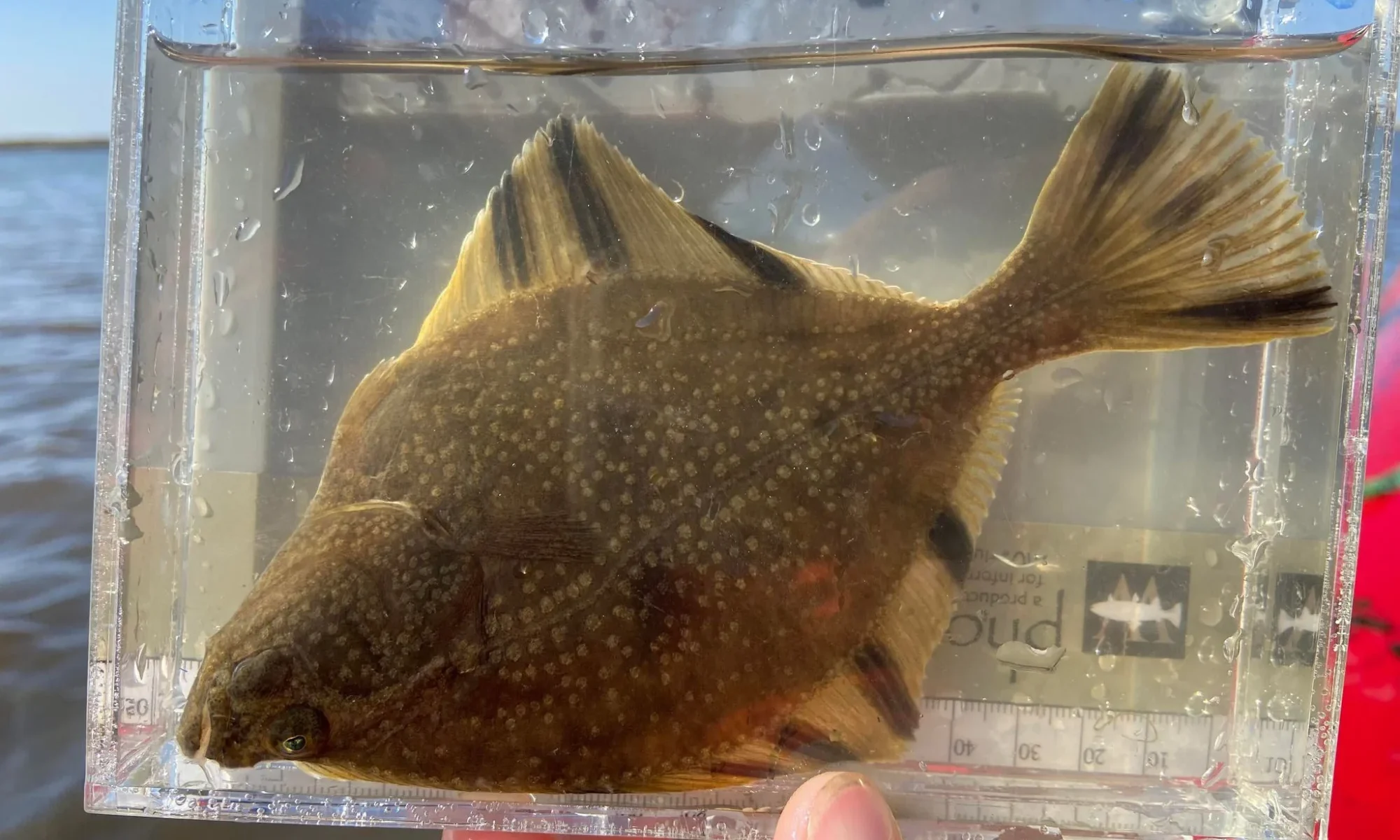
Many species of marine fish, such as this starry flounder, move in and out of northwest Alaska’s coastal lagoons with the rise and fall of the tides throughout the season. Photo: Kevin Fraley/WCS.
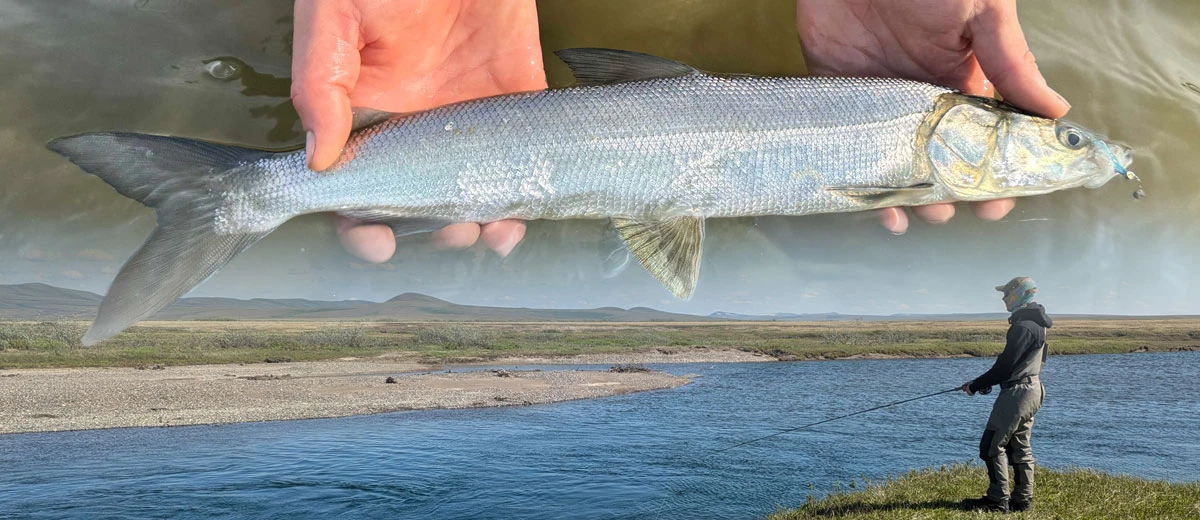
Sheefish caught at Imik Lagoon’s outlet in northwest Alaska during WCS fish monitoring, marking the program’s northernmost sheefish record. Local fishers say sheefish are now appearing farther north along the coast than in decades past. Photo: Max Auschwitz/WCS.
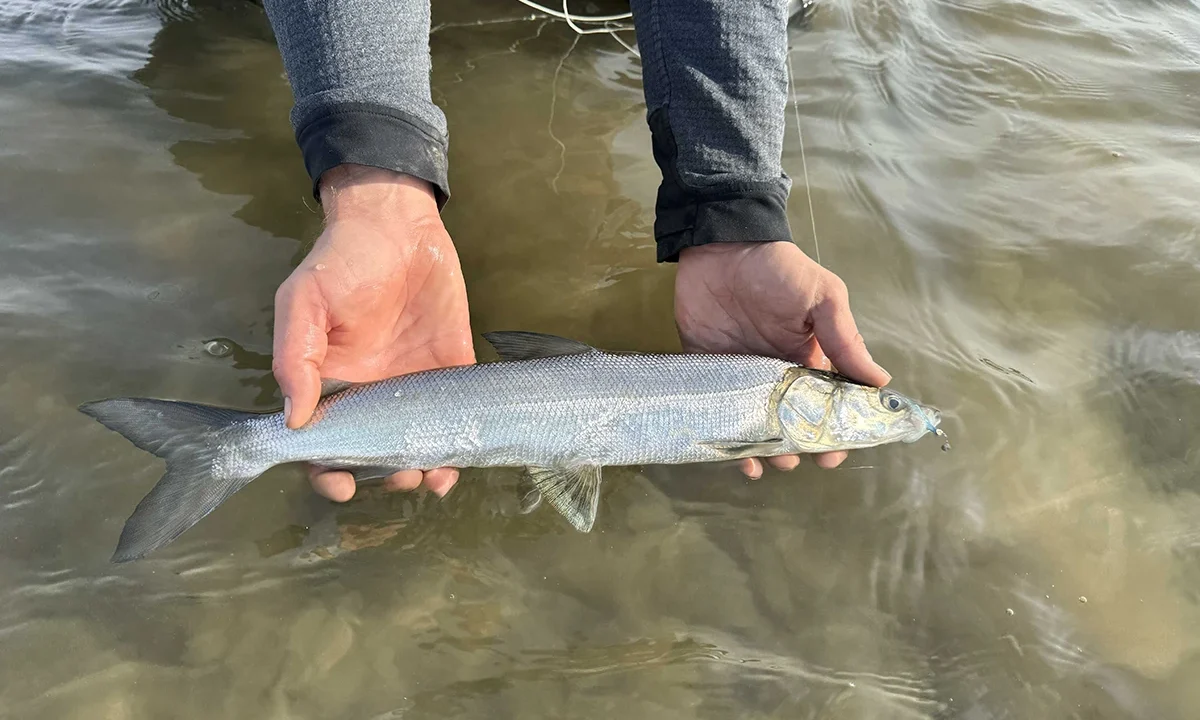
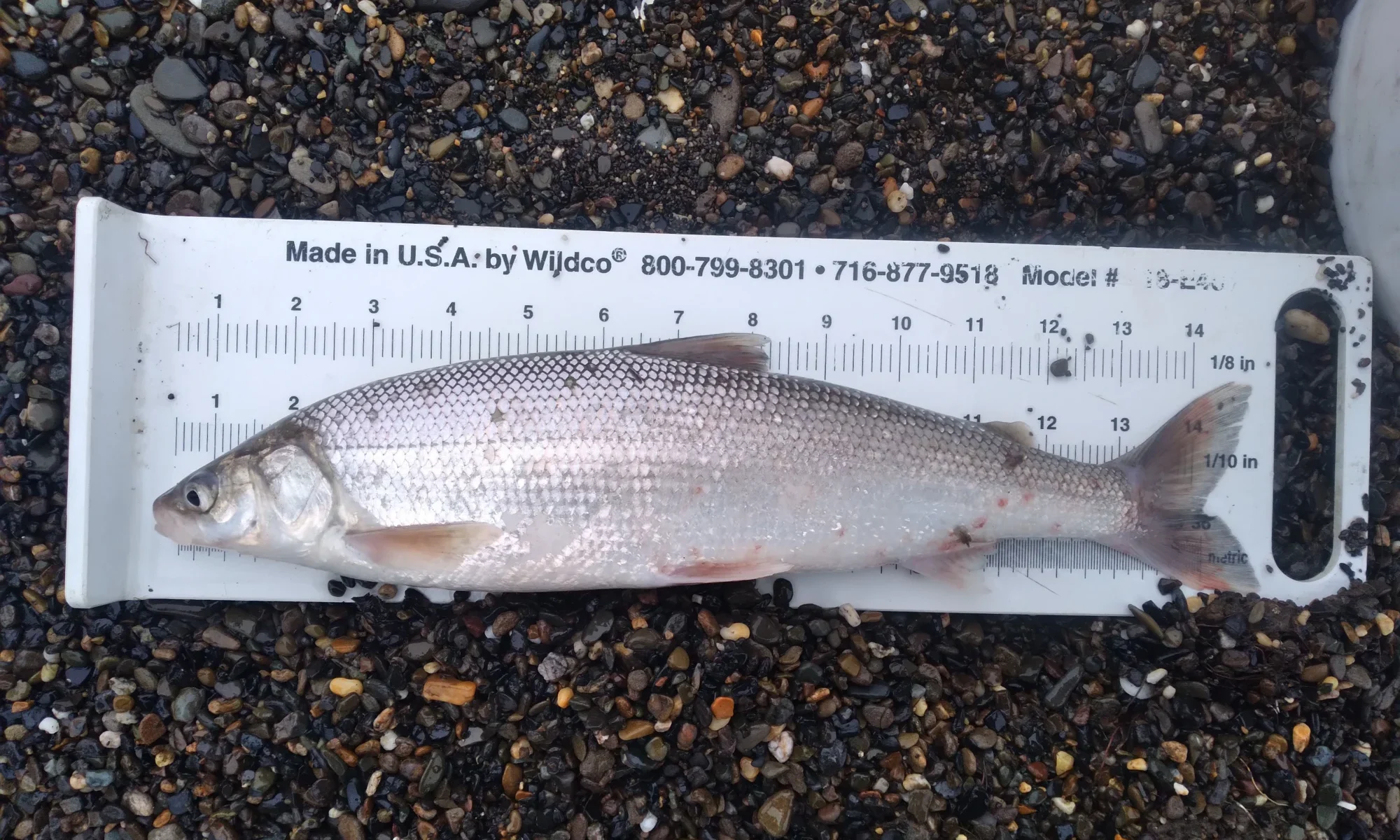
WCS fish technician Max Auschwitz proudly displays a Bering cisco, known locally as Tipuk, he caught on a fly in a northwest Alaska coastal lagoon. Photo: Kevin Fraley/WCS.
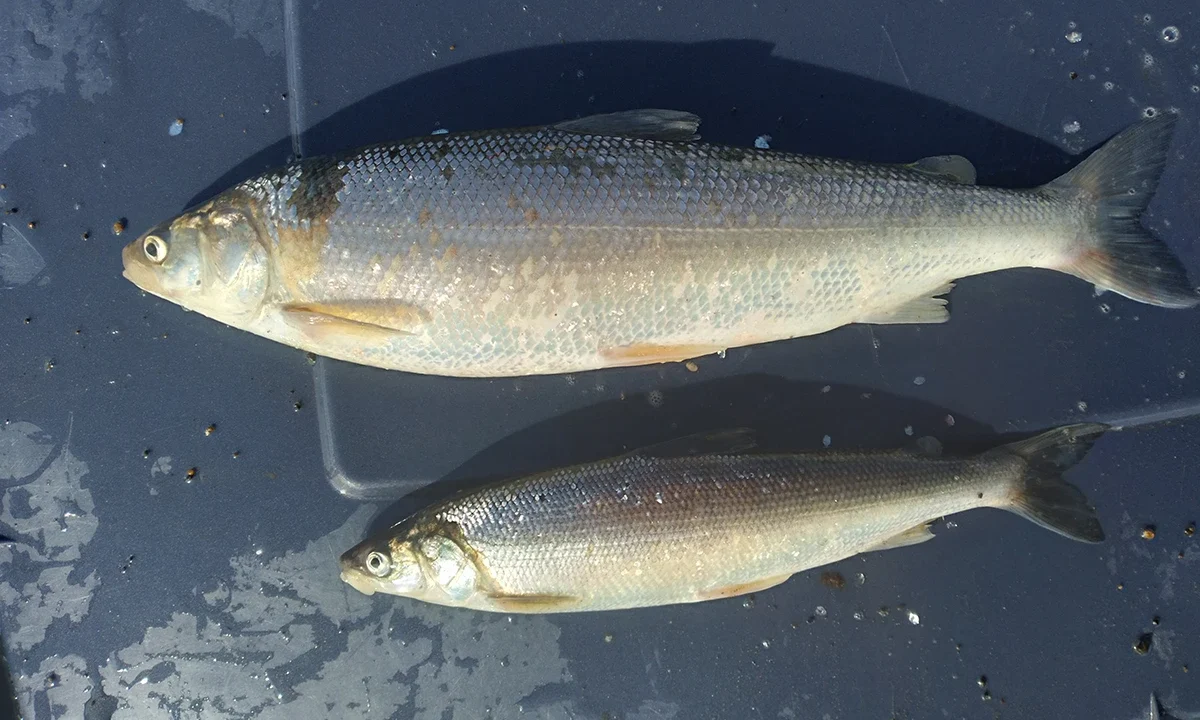
Bering ciscoes, known locally as “Tipuk,” caught, measured, and released during Wildlife Conservation Society fish monitoring fieldwork at Cape Krusenstern National Monument coastal lagoons. Photo: Kevin Fraley/WCS
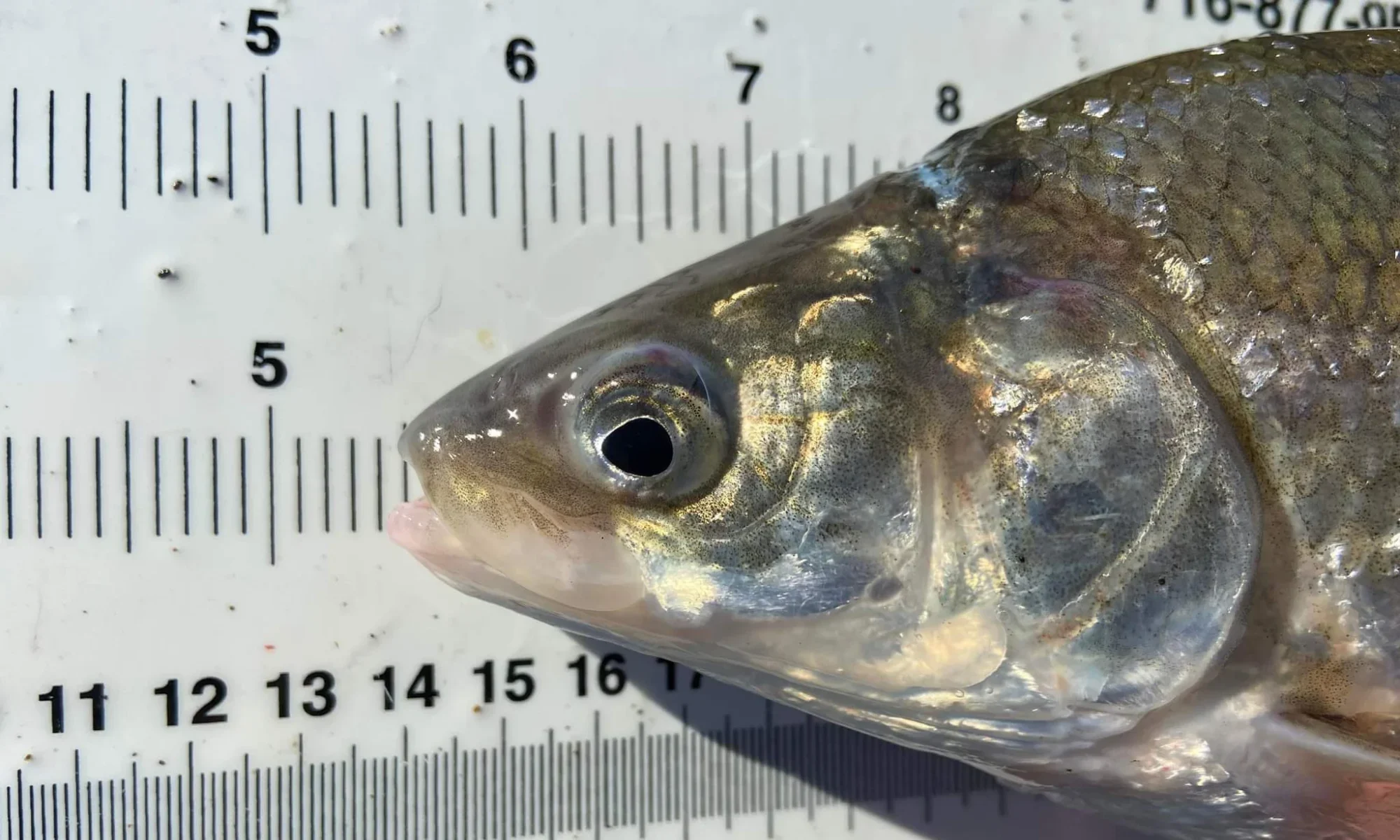
Bering ciscoes, known locally as “Tipuk,” caught, measured, and released during Wildlife Conservation Society fish monitoring fieldwork at Cape Krusenstern National Monument coastal lagoons. Photo: Kevin Fraley/WCS
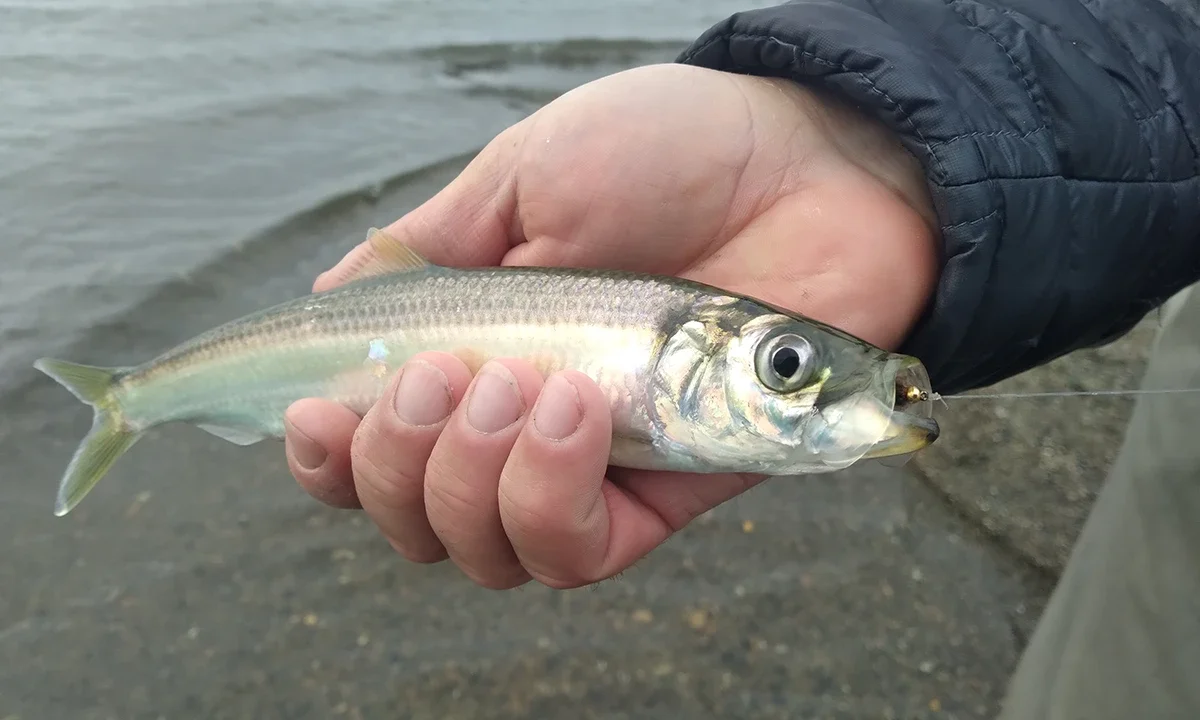
Pacific herring are found in abundance in most coastal lagoons of northwest Alaska, and anglers will occasionally find they bite readily on a dead-drifted fly. Photo: Kevin Fraley/WCS.
The lagoons, the biggest of which is more than six miles across, sit in primal, treeless landscapes surrounded by the Arctic tundra. Encounters with local hunters and fishers are rare, and only the odd, weathered subsistence-fishing shelter and occasional archaeological site hint at the presence of people. With coastal erosion, warming waters, changing seasons, increased vessel traffic, potential offshore oil-and-gas development, and marine construction projects such as causeway and port-building potentially occurring in this area of the state, many interests want these lagoons monitored, to ensure that water quality and fish populations remain healthy into the future.
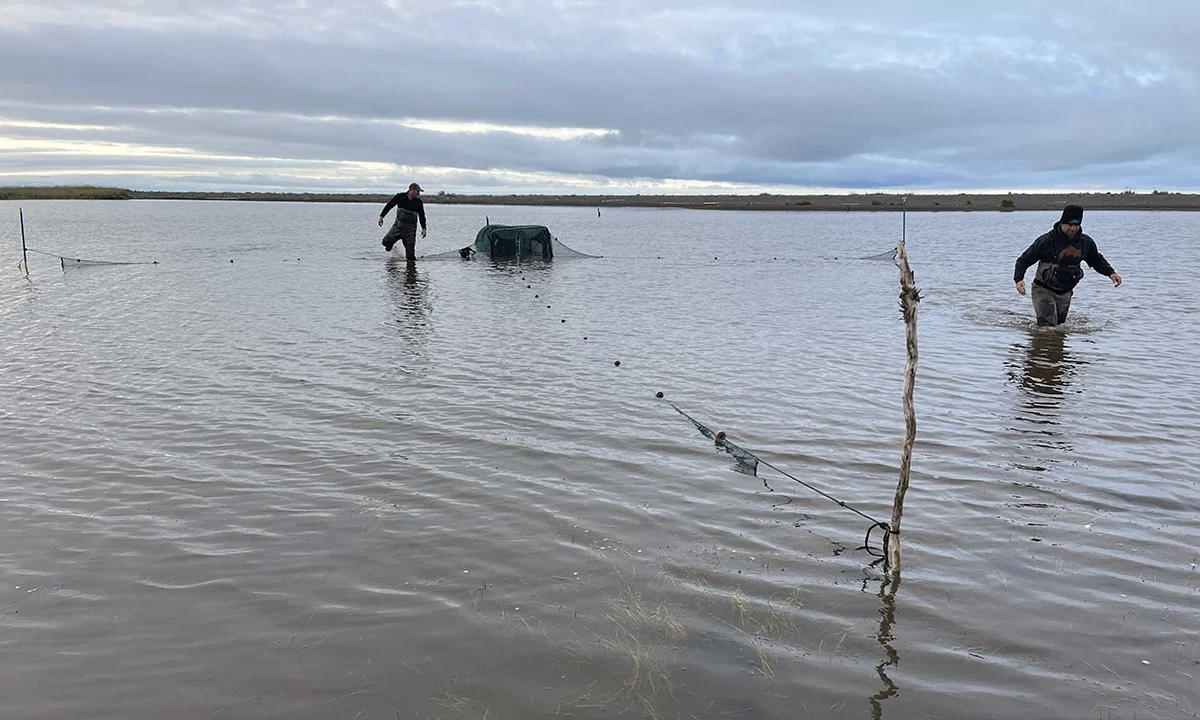
WCS scientists set a fyke net to catch, measure, and release various fish species at Aukulak Lagoon in northwest Alaska. Photo: Kevin Fraley/WCS
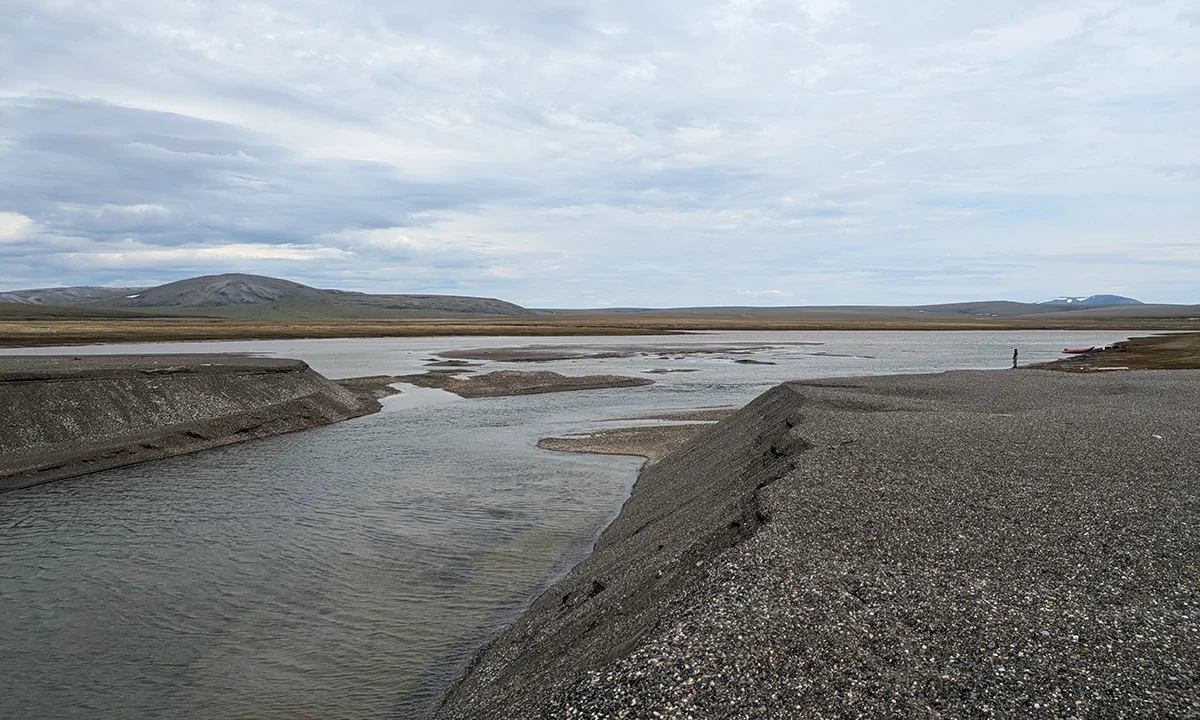
Atiligauraq Lagoon in Cape Krusenstern National Monument. While smaller than other lagoons surveyed by WCS, netting at this lagoon yielded many humpback whitefish and least ciscoes, which were measured and released. Photo: Kevin Fraley/WCS.
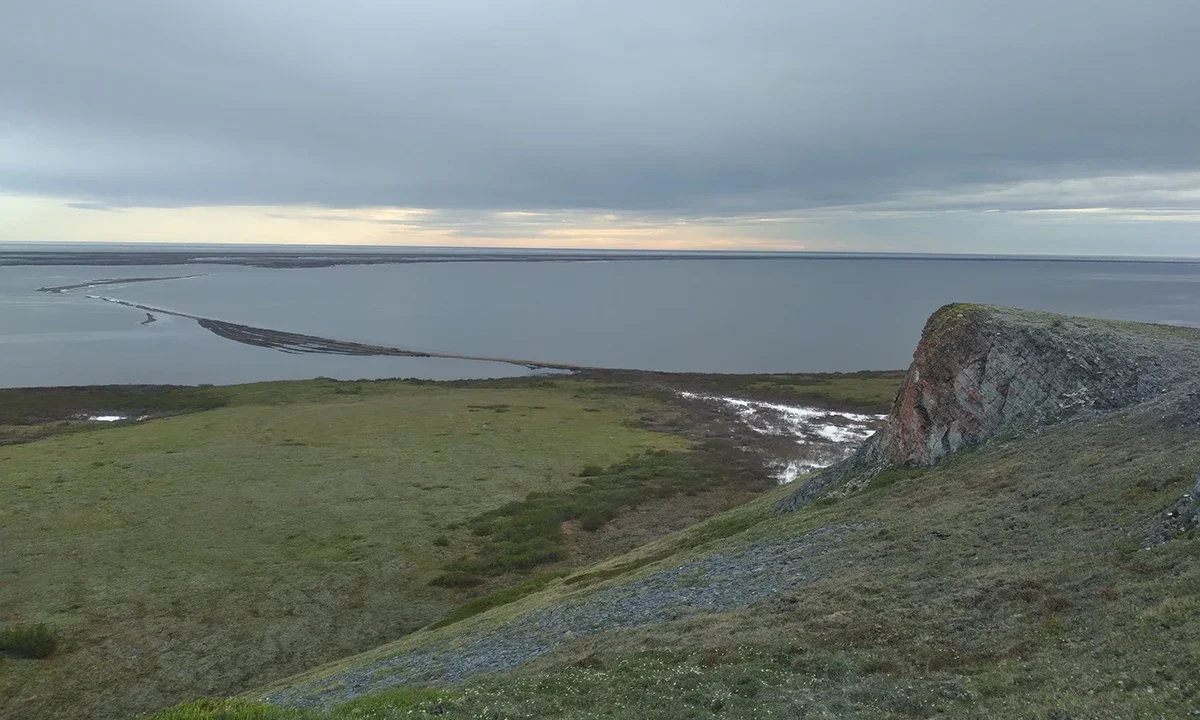
At seven miles long, Krusenstern Lagoon is the largest waterbody sampled for fish diversity and abundance by WCS at Cape Krusenstern National Monument. Photo: Kevin Fraley/WCS.
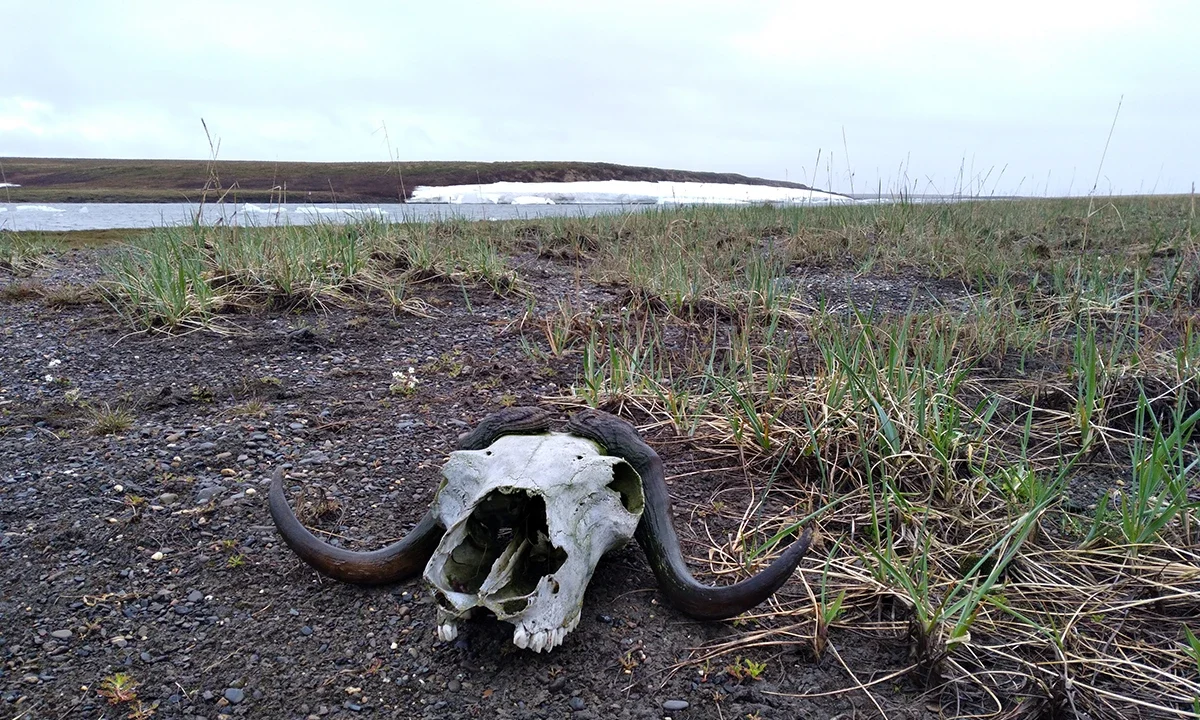
WCS field crews share the landscape with muskoxen, grizzly bears, and caribou while conducting fish monitoring at northwest Alaska coastal lagoons. Photo: Kevin Fraley/WCS.
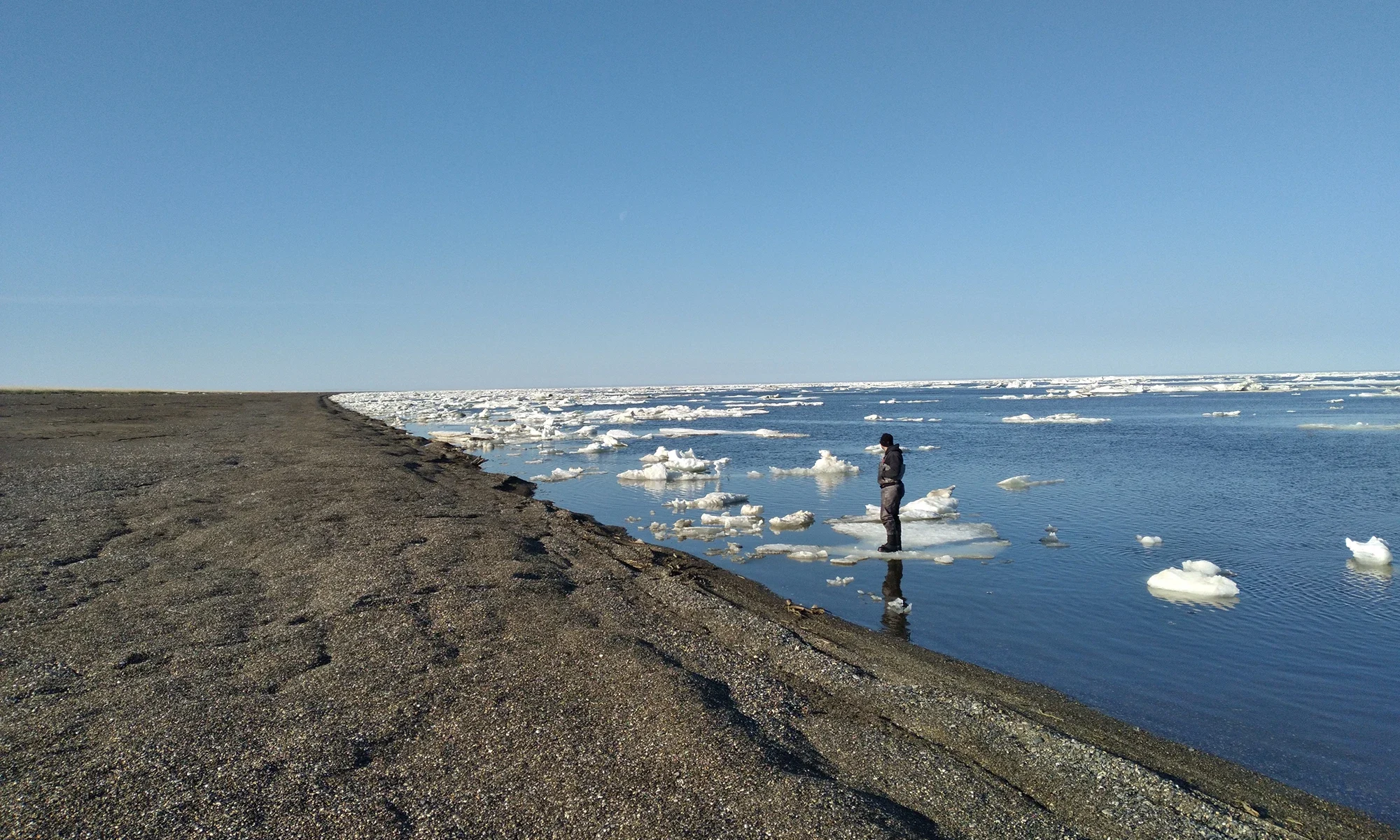
Sea ice along the Chukchi Sea coast in June sometimes makes for difficult boating between lagoons when WCS crews are conducting fish monitoring fieldwork. Photo: Kevin Fraley/WCS.
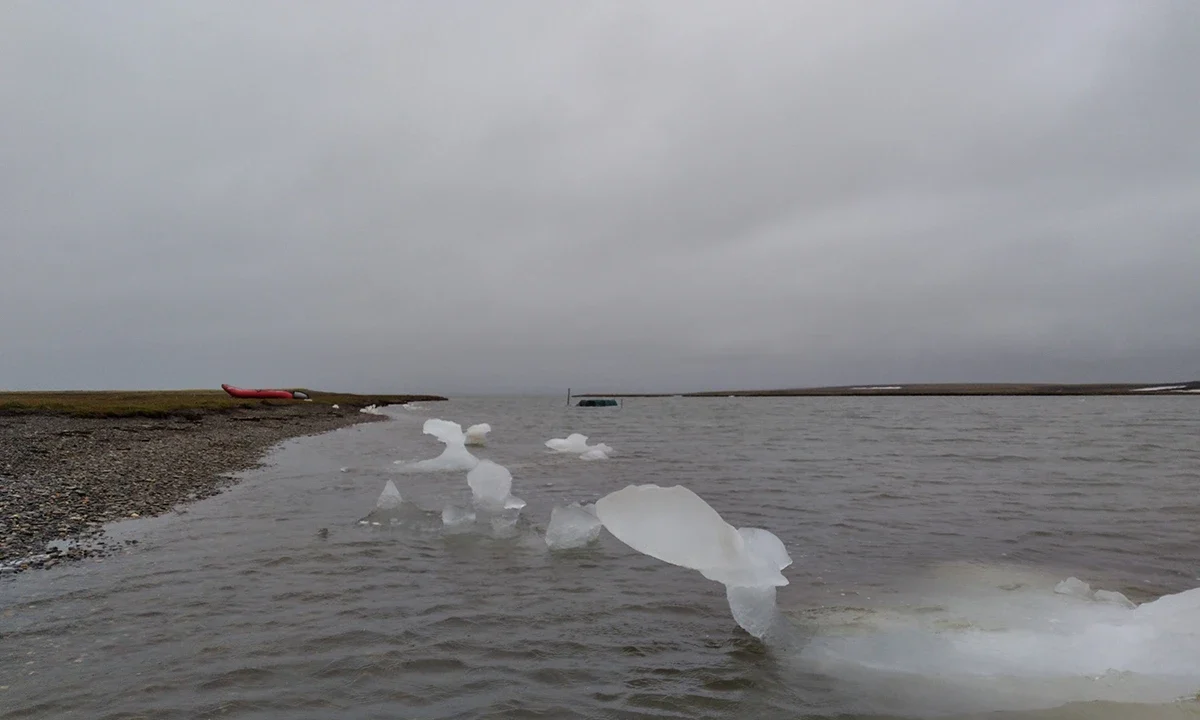
Chunks of sea ice floating in with the tide into a Cape Krusenstern National Monument coastal lagoon had to be shepherded away from nets while Wildlife Conservation Society crews sampled fish in mid-June. Photo: Kevin Fraley/WCS.
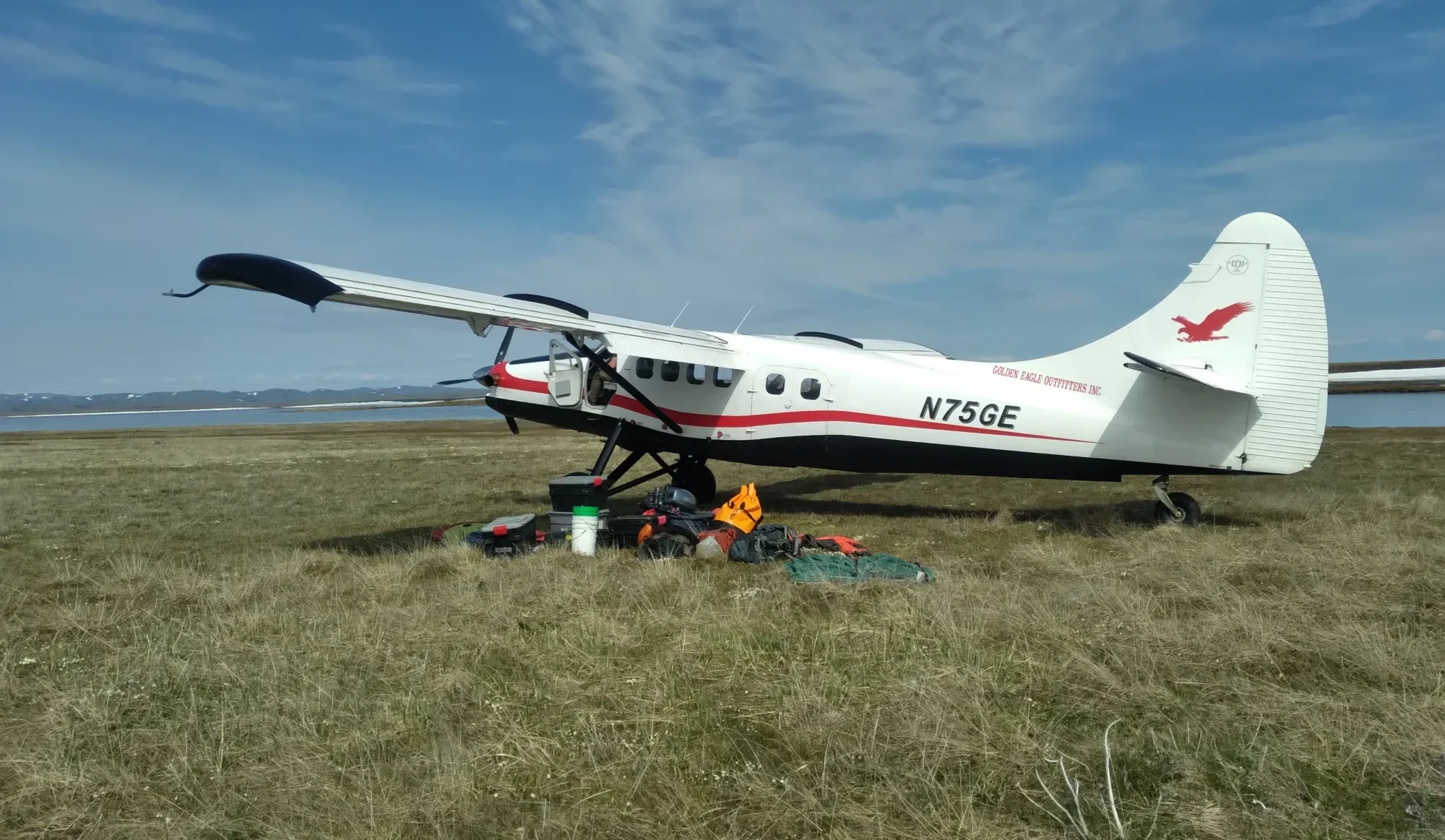
Unloading fish monitoring and camping gear near Krusenstern Lagoon in Cape Krusenstern National Monument. Photo: Kevin Fraley/WCS
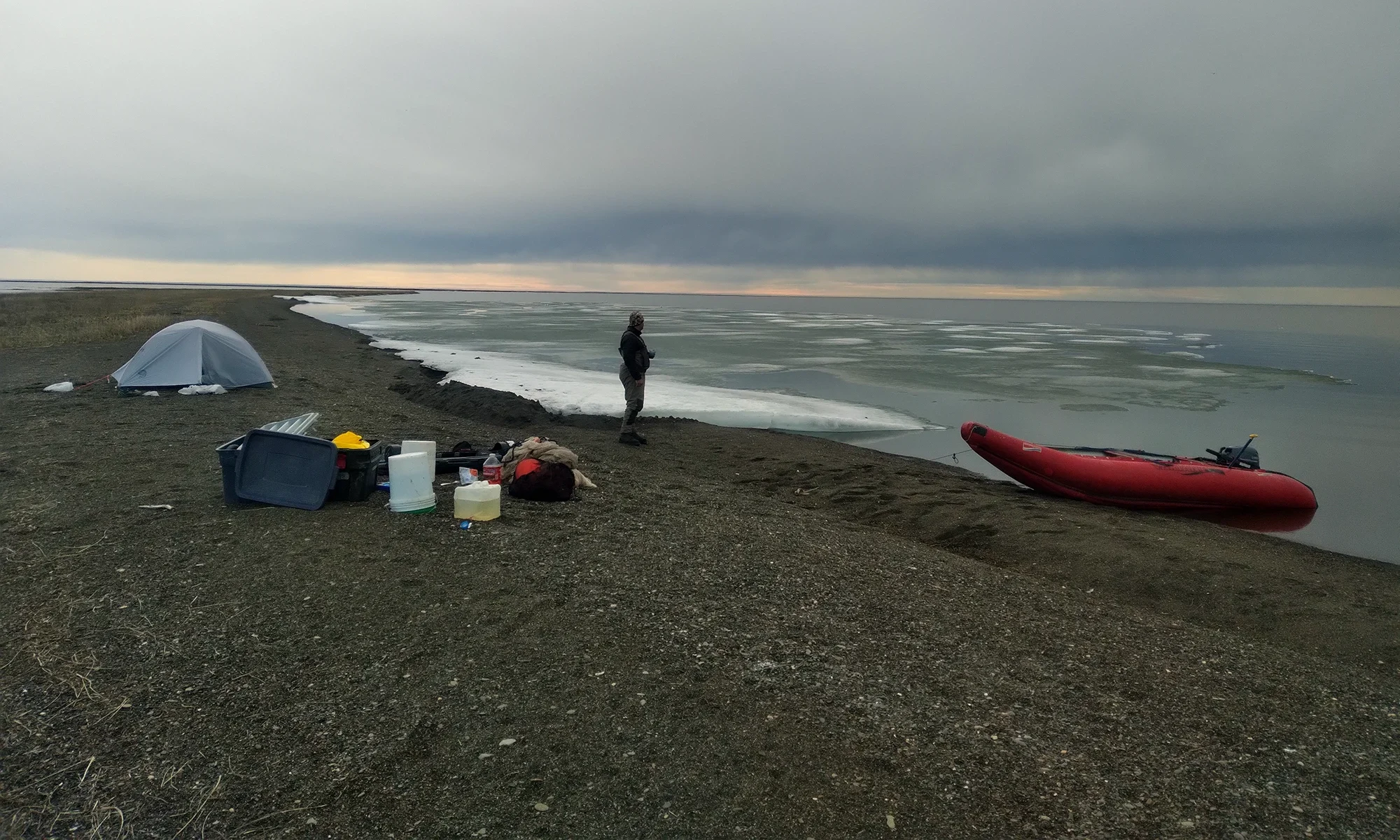
Icy conditions persist at Krusenstern Lagoon during WCS fish monitoring efforts in June. Photo: Kevin Fraley/WCS.
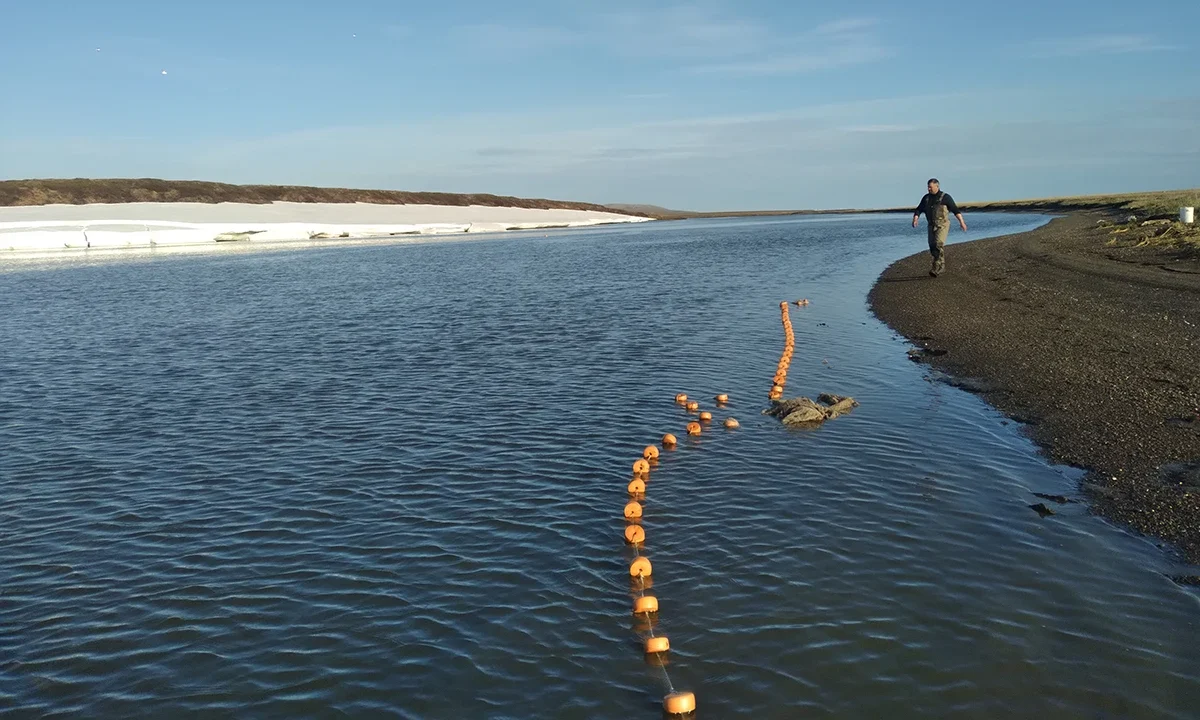
A WCS technician lays out a beach seine used for catching, measuring, and releasing various fish species at Kotlik Lagoon in northwest Alaska. Photo: Kevin Fraley/WCS
Field Research Methods
While out on these scientific trips, we visit three to six lagoons by hopping on bush planes, boating along the coast in a small motorized zodiac, or hitching rides on larger vessels. We camp near the lagoons, practicing “Leave No Trace,” and boat around to various long-term fish and water-quality monitoring sites. The 10- to 16-hour workdays aren’t a problem above the Arctic Circle where it never gets fully dark in the summer. As researchers, we take water quality measurements such as temperature, salinity, algae content, conductivity, and pH.
We use large trap nets called fyke nets, tangle nets (also known as gillnets), and beach seines to catch, identify, and measure fish. The fish are generally released unharmed, unless there is a specific research need to collect them for study. The nets must be tended carefully, because in some sites, they catch dozens or even hundreds of small-bodied, sensitive fish, and those fish need to be processed and released quickly to minimize any stress to them.
While our primary methods involve nets, we also use rod and reel to catch certain species such as Arctic grayling and Dolly Varden. These species can see and avoid nets but can be readily caught on an artificial fly. For example, since incorporating angling into our fish collection protocols starting in 2021, we have captured Arctic grayling in the Krusenstern Lagoon system in all four years visited from 2021-2024, while grayling were only registered in this lagoon in one of four years from 2015-2018 (no angling employed). Another joy of the work is in the evenings as the winds calm down, the light gets a little lower, and fish, loons, grizzly bears, muskoxen, and seals come alive from 10 p.m. until 2 a.m.—the perfect time to wet a line and view some wildlife.
A Possible Flyfishing First
I walked up to where Max was holding the fish along the lagoon shoreline, and was shocked to see a plump 11-inch Bering cisco, known to coastal Iñupiat people as Tipuk, resting in the net with a nymph pattern stuck in its jaw. The sturdy body, grayling-like mouth, and large eye were a definitive ID for the species. An overpriced dinner in Kotzebue for Max was on me! I told him, “This could be the first Bering cisco ever caught on a fly.” It is impossible to know for sure if that is true, but it’s very unlikely that anyone else has ever caught one with a fly rod.
The reason for this is the cryptic life history and remote areas where this whitefish species spends its life. Tipuk are found only in Alaska and Russia, and unlike most other whitefish, they spend nearly their entire life in brackish and marine habitats along the western coast of Alaska. They are so marine-oriented that we often catch them with sea lice attached to their bodies—something you will see on no other whitefish.
These fish spend their lives wandering along the coast, are rarely found in large numbers (we catch none or just a few at a time in our lagoon nets), and only go to freshwater for spawning. They spawn in just a few silty sections of the Yukon, Kuskokwim, and Susitna Rivers. For these reasons, it would be highly unlikely for an angler to encounter a Bering cisco while fishing in coastal waters (they are needles in a haystack), and almost impossible to catch one in freshwater because they cannot see flies in the silty waters they are transiting, and they do not eat while they are on their spawning migration. Max had caught a once-in-a-lifetime fish!
Northwest Alaska Coastal Lagoon Species
Catching species that are largely unknown to the flyfishing community is a regular occurrence at northwest Alaska lagoons. The Chukchi Sea coast is not a popular destination for recreational anglers, because it costs a lot to hire a bush flight to this remote region, and adjacent inland rivers that hold sheefish or massive sea-run Dolly Varden are more sought-after. Some of the most fun and aggressive species to catch on the fly at the lagoons are marine fish that venture in and out as the tides and currents change the salinity of these water bodies. Saffron cod, an important subsistence species known locally as “tomcod,” do not get large (max 14 inches), but are numerous and readily bite small streamers and nymphs.
We also catch many starry flounder, and an occasional Arctic flounder, while fishing with the same patterns (max length 17 inches). Finding these marine species can be tricky, as they move in and out of the lagoons quickly with the tides. The best locations to find them are in the channels that connect lagoons to the ocean, or right at the channel mouths, as saltwater starts to come in just after low tide. These “tomcod” and flounder species are seldom caught by fly anglers, and it is a treat to see them up close and admire their colorations and unique morphology.
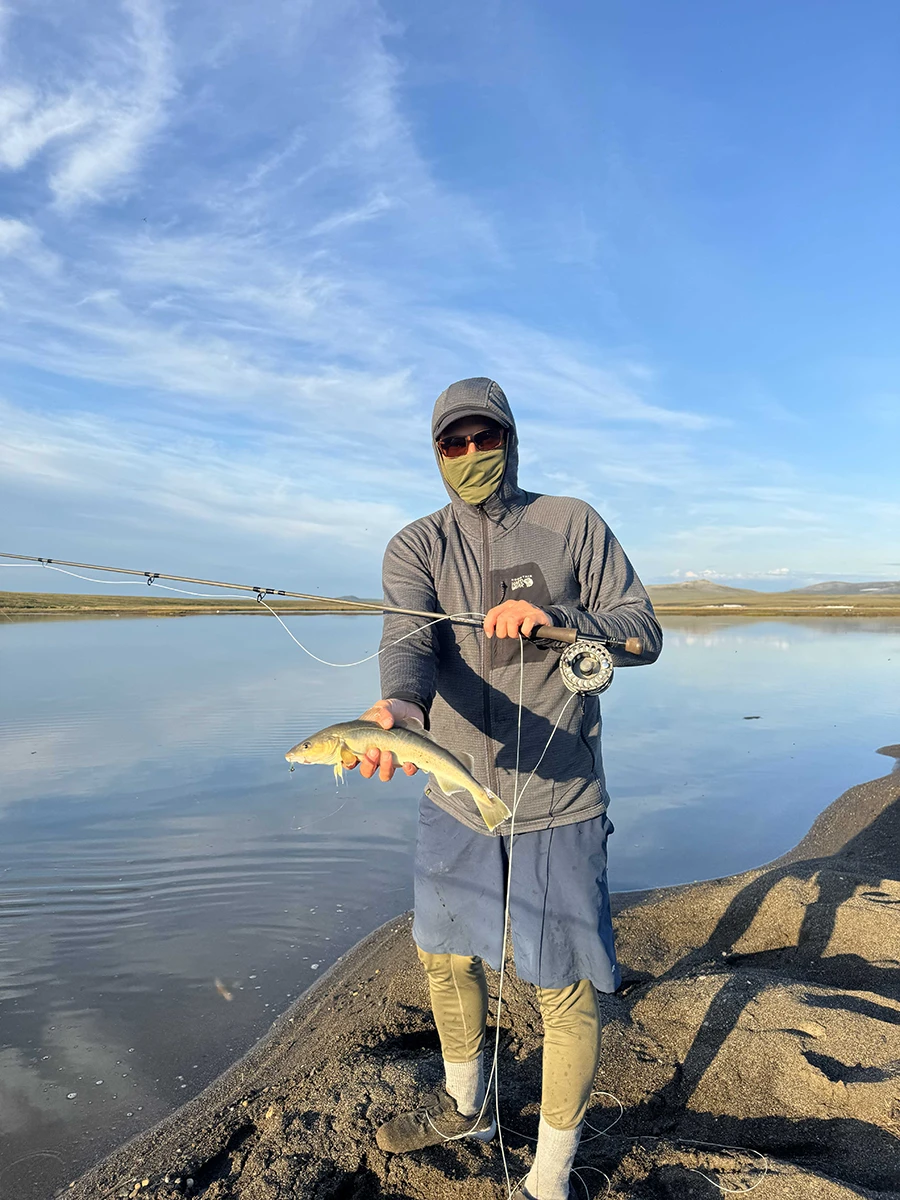
WCS Fish Ecologist Kevin Fraley with a saffron cod, known locally as tomcod, caught at the outlet of a Cape Krusenstern National Monument coastal lagoon. Photo: Max Auschwitz/WCS.
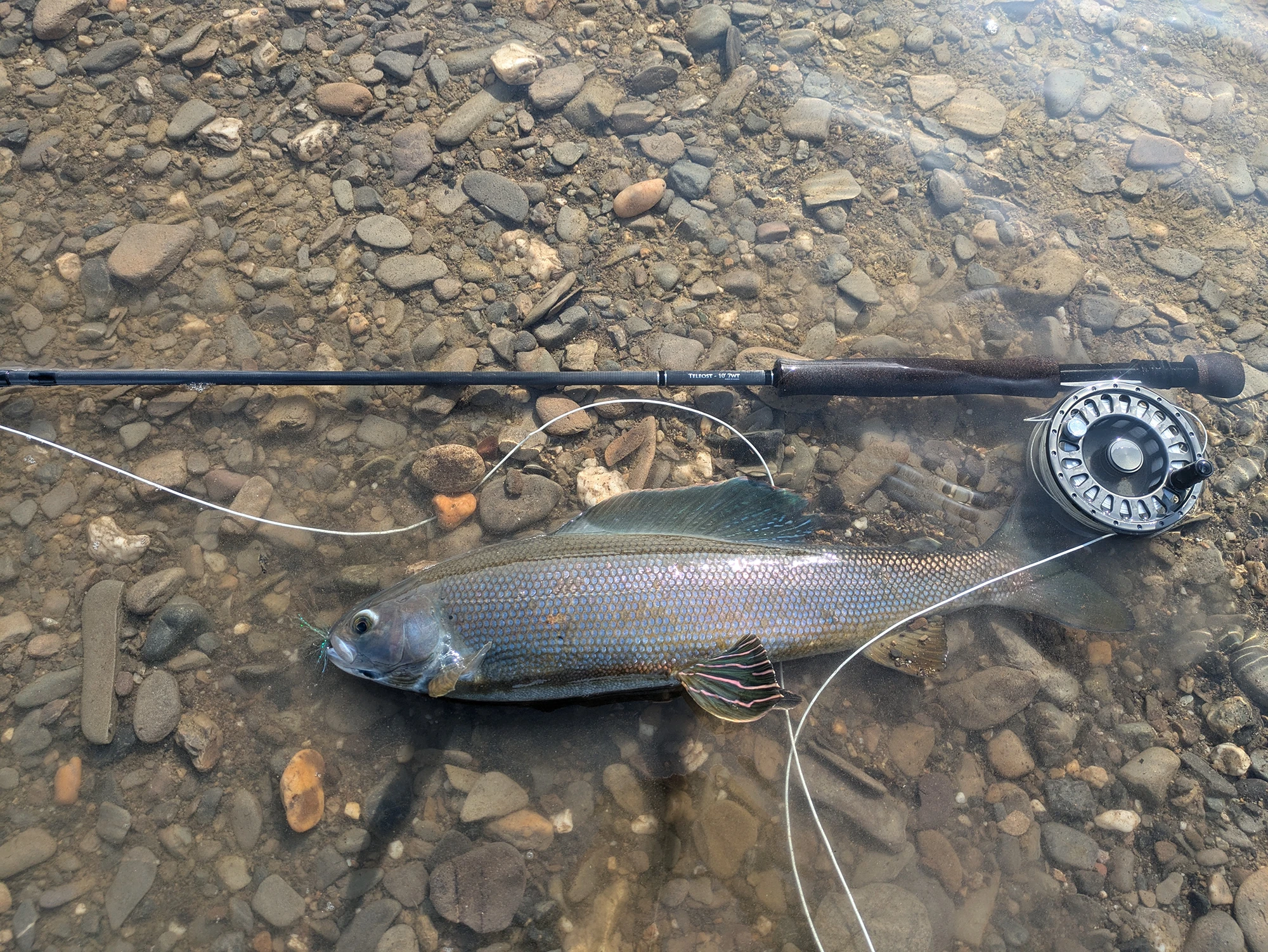
Arctic grayling are also found in streams that flow into some coastal lagoons, and flyfishing is the preferred method to catch them in clear streams where they can see and avoid nets used by scientists. Photo: Kevin Fraley/WCS.
Lagoon Fishing Conditions Vary by Season
Fish in lagoons are highly migratory and species diversity and abundance can change drastically by season, especially in winter time when lagoons largely freeze to the bottom and fish must either retreat to freshwater tributaries, exit into the marine environment, or perish. Because of this, recreational angling in these waterbodies can be hit or miss. However, when the fish are present and conditions line up, the opportunities can be world class. Max and I had one of these days in June 2024.
We boated along the Chukchi Sea coast for a day of exploration and flyfishing at a lagoon outlet that was not one of our long-term sampling locations to see what species could be found. We had a bluebird day, and could see for miles along the coast—as far north as the gigantic structures at the Red Dog Mine shipping port, and inland towards low-lying, slate-grey mountains. Because there are no trees in this area of Alaska, it is hard to gauge distances on the landscape until something of a known size is seen, such as a caribou wandering across the tundra or a lonely boat weaving through chunks of sea ice along the coast.
We motored our zodiac a couple hundred yards up into a crystal clear, gravelly river outlet, hopped out on the bank, and began scanning the water for signs of fish. Soon, we could make out the sail-like dorsal fins of grayling breaching the water surface as they fed on bugs, in a riverbend against a permafrost-laden dirt bank. In deeper water just beyond, some larger, ghostly silhouettes floated at the edge of vision. I tied on a small streamer and began to cast.
The grayling, though feeding on insects, eagerly chased the streamer across the shallows, dancing behind it and nipping at the tail end. After a few missed hooksets, I brought one of these gorgeous, iridescent purple fish to hand. In the springtime, around their spawning season, grayling can exhibit some truly stunning colorations. Max and I caught, measured, recorded, and released a half dozen 16- to 18-inch grayling before the rest got wise.
Dolly Llama Fly Success
I turned my attention to the larger fish in the deeper areas, tying on a large olive-and-white Dolly Llama fly. I swung the streamer through the run and my 7-weight rod bucked, then bowed as a heavy and energetic fish smashed the streamer. After a fight that lasted a few minutes with dogged runs and head shaking, I brought a silvery, chunky, ocean-fresh four-pound Dolly Varden to hand. I measured and released this fish, then shot out another cast. Again and again, I hooked into dollies, known in this region simply as “trout,” from two to seven pounds—they loved the Dolly Llama fly! Max was getting a bit frustrated, as he was fishing the same water but not hooking up. However, his hardship and patience were rewarded when he hooked into the largest dolly yet, which after a determined fight was brought to hand and measured out at 31 inches long (over 10 pounds), the largest of the species we had ever caught in all the years of scientific sampling at the lagoons.
This was a special fish, larger than the 30-inch minimum length set by Alaska Department of Fish and Game’s Trophy Fish Program for Dolly Varden, and it wasn’t even the most interesting catch of the day. At the same location, I hooked into what I thought was another “trout” of a couple pounds, but the fight was shorter and less strong, and when the fish got closer, the large scales on its side telegraphed that it was a whitefish of some sort. This 17.5-inch sheefish was the farthest north specimen ever recorded by our fish monitoring project, and must have swam along the coast all the way from the only known sheefish spawning rivers in the area, the Kobuk and Selawik, more than 60 miles to the south. Catching this fish was the capstone of an amazing day out in Alaska, and the observation represented important scientific data that would contribute to an updated coastal distribution map of northwest Alaska sheefish.
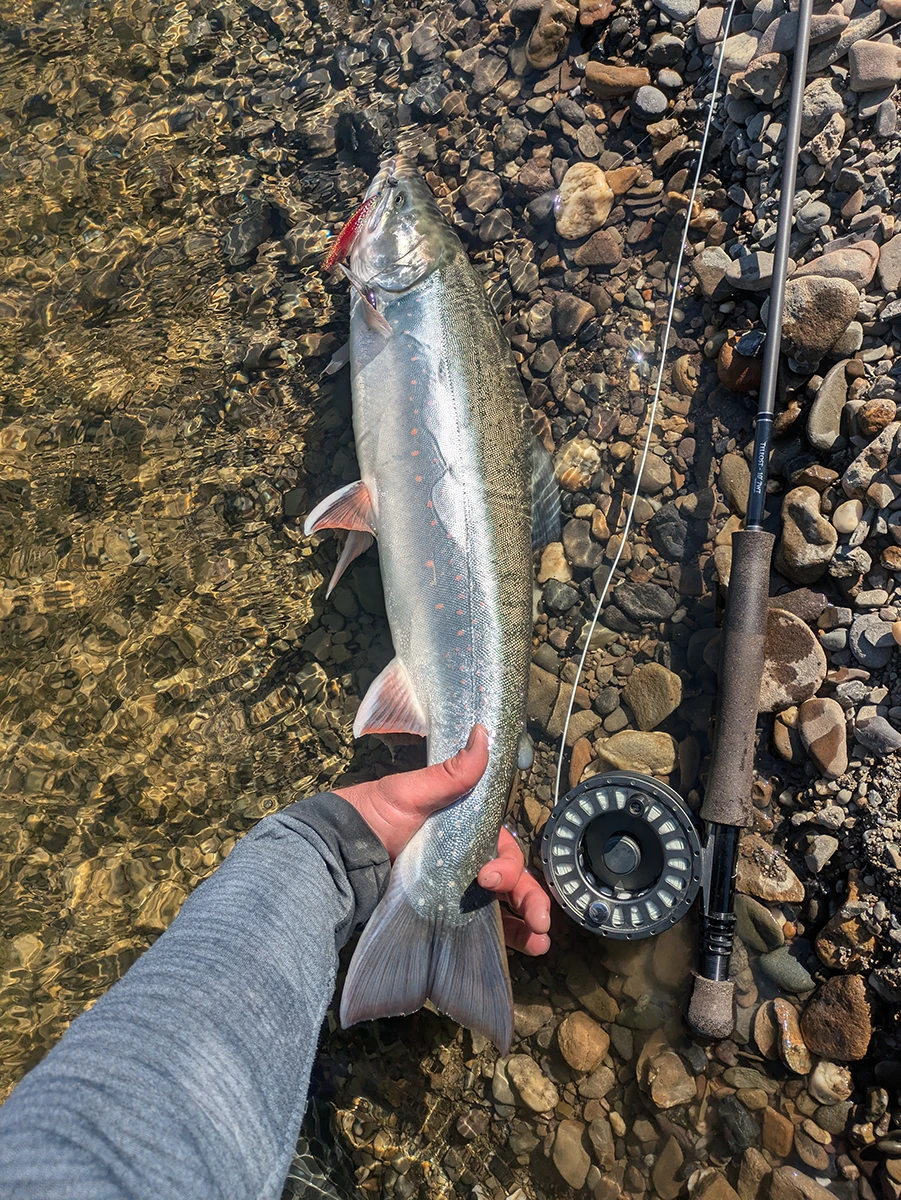
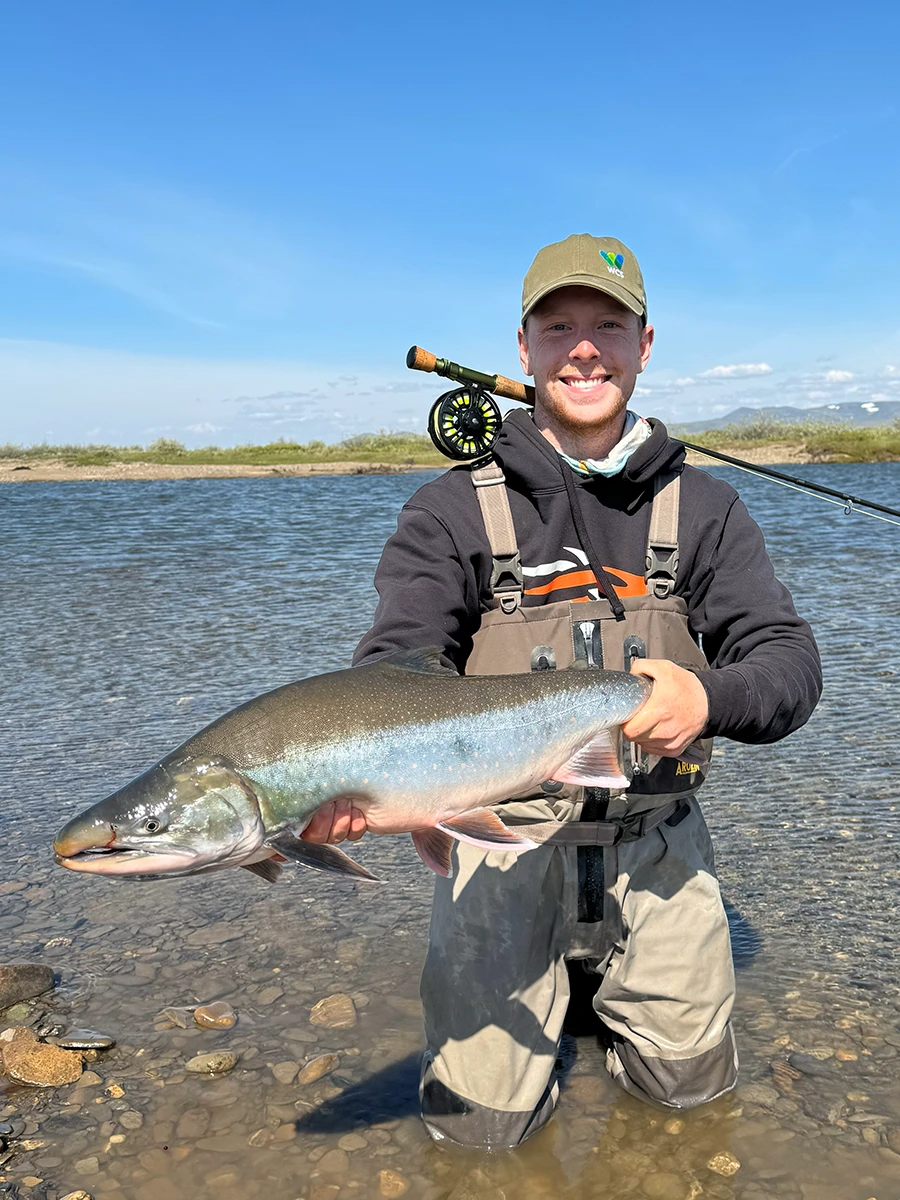
Flyfishing for Dolly Varden, known locally as “trout,” on a river flowing into a northwest Alaska coastal lagoon. In clear water conditions like this, angling is more successful than netting for capturing fish for study. Photo: Kevin Fraley/WCS.
Alaska Coastal Lagoons Worth Conserving
While flyfishing as a component of our scientific duties at the lagoons, in June 2024 Max and I caught a whopping 11 species of fish on the fly. I don’t think we will be able to top that on future visits. Besides the species already discussed, we caught plankton-feeding Pacific herring and least ciscoes on tiny nymphs suspended beneath strike indicators, a juvenile salmon on a dry fly, and humpback whitefish and fourhorn sculpins on nymphs. This amazing diversity of fish of all types—saltwater, anadromous, and freshwater—highlights the unique nature of northwest Alaska coastal lagoons, and why they have been and continue to be important subsistence fishing areas for local residents. The angling opportunities, windswept Beringian landscapes, wild and abundant muskoxen, caribou, grizzly bears, and waterbirds, make these places a bucket-list destination and underline their value as features worth conserving.
Kevin Fraley lives in Fairbanks, Alaska, and is a fisheries ecologist for the Wildlife Conservation Society (WCS). He completed degrees in fisheries at the University of Alaska Fairbanks, and attained a Doctor of Philosophy degree in freshwater ecology from the University of Canterbury in New Zealand. Kevin is heavily involved in Northern Alaska’s angling community through the Midnight Sun Fly Casters. When not dodging mosquitos and bears while conducting remote fieldwork, he is usually found chasing after Dolly Varden or sheefish with a fly rod. To read more about WCS’ fish research, visit https://leucichthys.org/
The post Tipuk, Tomcod, and Trout: Fishing Coastal Lagoons of Northwest Alaska appeared first on Fish Alaska Magazine.