
By Samuel Wat
Advocates, workers and family members question whether that’s in the best interests of children and youth
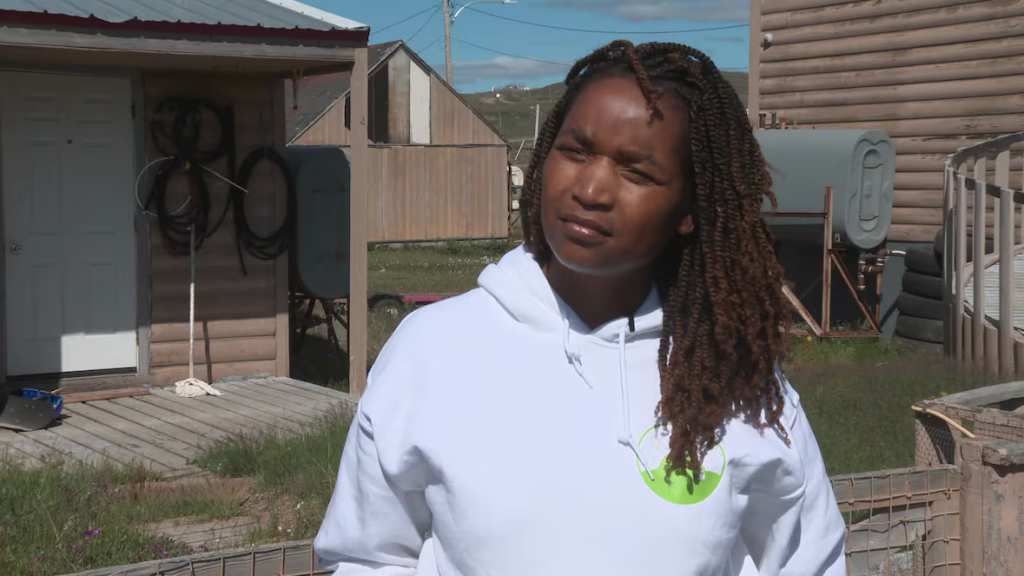
For Sakhile Sibanda, caring for children and youth at the Angirraq Corporation’s group homes in Iqaluit was more than just a job.
“I cared for the youth like they were my kids,” the managing director of Angirraq said.
That made it all so much more devastating when Sibanda received a 30-day contract termination notice on June 17 from Nunavut’s Department of Family Services.
Angirraq has been providing respite services for children and youth under the department’s care since 2025, across two facilities in Iqaluit. The end of the company’s contract this week puts the future of the seven children currently under its care in question.
Sibanda said some children and youth could be sent out of the territory for placements — and she said they haven’t taken the news well.
“Some have run away from home because [they] think if they come to the group home we’ll take them out of territory,” she said. “And one of the youth has been asking almost everybody to adopt him, because he does not want to leave the territory because his family is here.”
Sibanda said Angirraq is sometimes forced to pay out of pocket for some operating expenses, so she was negotiating for pay parity with the other operators of group homes in Iqaluit.
Both Gwen Healey Akearok, the territory’s minister of Family Services, and her department turned down CBC News’ request for an interview.
In a written response, the department said it was unable to reach a new agreement with Angirraq after months of discussions, and explored other options to maintain services such as temporary contract extensions while the negotiations continued.
“Because the discussions themselves are confidential, it would not be appropriate to comment further,” the response reads.
The department also said it’s finalizing individualized transition plans for the seven affected youth, but wouldn’t comment on specific arrangements, including how many of them might be sent out of the territory.
Separated from family
Samantha Allooloo, a youth support worker at Angirraq, said she noticed an improvement in the behaviour of the children and youth since they entered care. Some of them come from troubled backgrounds and from other parts of Nunavut, and she’s concerned about the possibility of sending them outside the territory.
“They do have a lot of history and it’s already hard enough on them to be going to different places,” she said. “We don’t want them to be more hurt than they already are.”
CBC News spoke to the family member of one youth at Angirraq, and is not naming them to protect the identity of the youth.

The family member said the young person requires additional support that is hard to find in Nunavut, but that Angirraq offered that. Without those services, the family member said their youth could be sent south for care.
“We’re scared, we feel very let down by the department,” they said. “It’s very traumatic for a youth who would have to be away from the family.”
The person said for youth receiving care outside of Nunavut, family members can generally be covered for travel twice annually for visits.
“That doesn’t represent family unity when you only get to see a youth twice a year,” they said.
Best interests of the child
In 2025, the Department of Family Services said there were 444 Nunavut children within the territory receiving services, and 89 outside the territory.
Nunavut regularly sends children in care who have complex needs to provinces in the south when services are not available in the territory. That can include children who experience developmental, behavioural or mental health challenges, or those who live with severe disabilities.
Jane Bates, Nunavut’s Representative for Children and Youth, doesn’t take issue with closing group homes because of concerns with quality of care, as was the case with the Naja Isabelle group home in Chesterfield Inlet.
But she said sending children out of the territory because of administrative and contractual disputes are not valid reasons.
“[It] is in contravention to everything that family wellness stands for – reunification of families, maintaining young people in their family or close to their family,” she said, adding that contracts for children in care in the south can cost the government up to $500,000 a year.
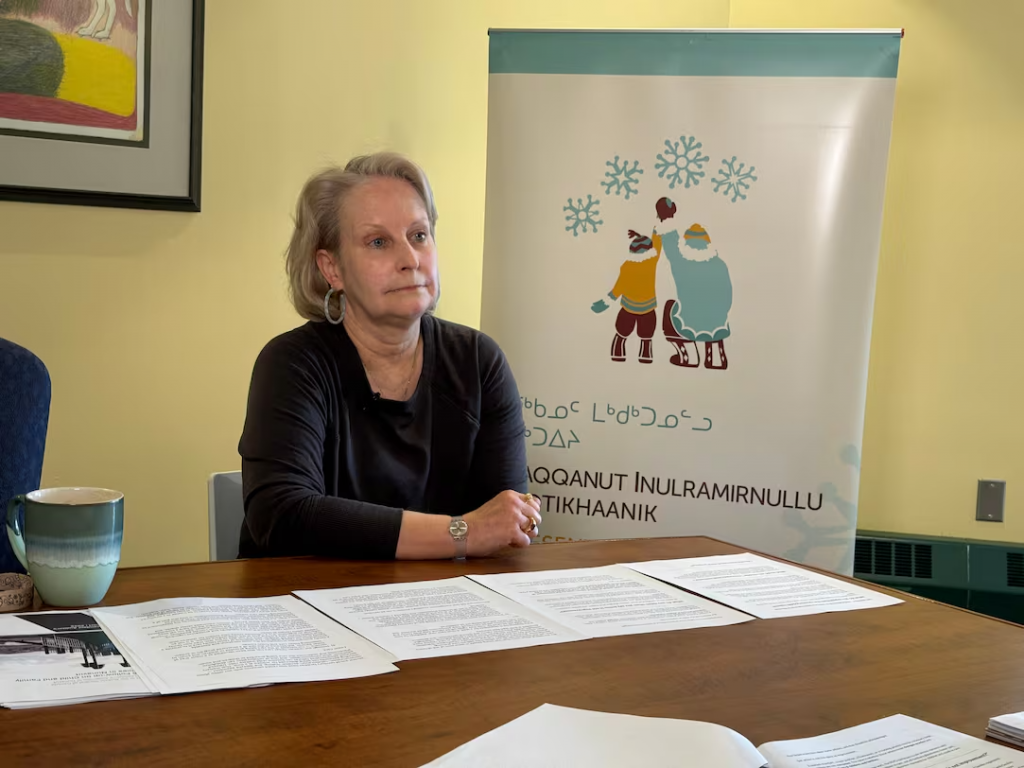
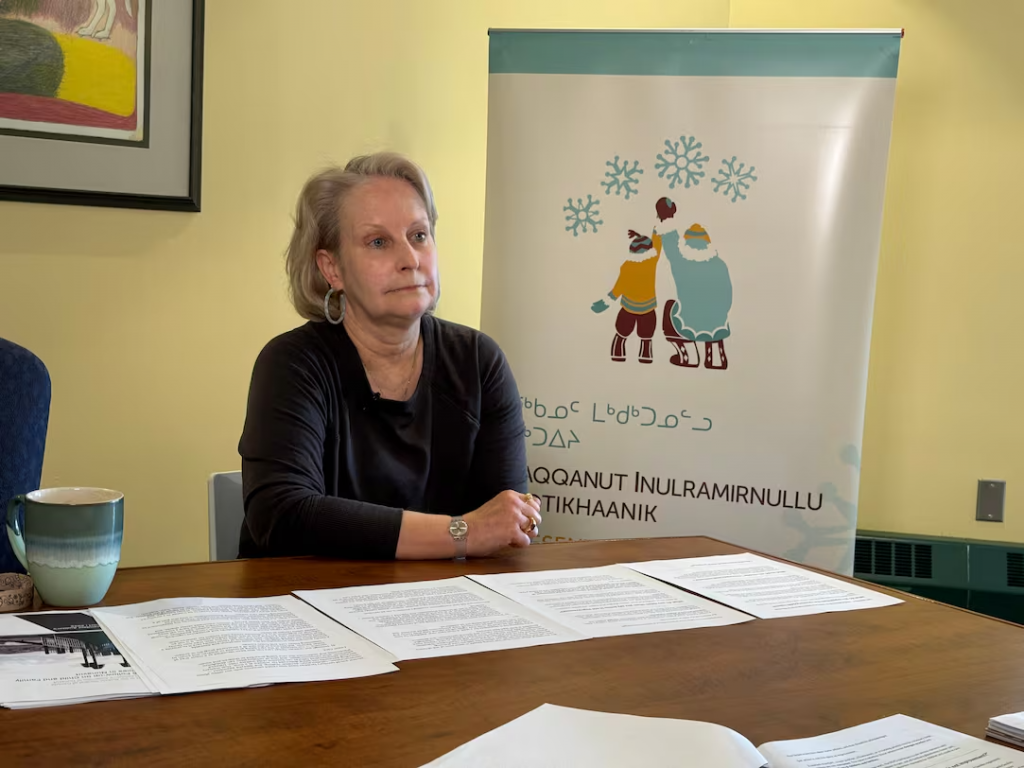
Nunavut’s Child and Family Services Act requires the department to make decisions based on the child’s best interest – including their development, upbringing, continuity in care, and views and preferences.
The department’s action plan also states the need to explore more placement options within the territory, which includes opportunities for not-for-profits to construct group homes and facilities.
Family Services said the closure of Angirraq’s group homes does not change the department’s responsibility to ensure each child is appropriately cared for, and every decision it makes is based on the youth’s circumstances and best interests.
But the family member of a youth in care told CBC News that they don’t understand how that can be true.
“They deserve so much better than a 30-day notice and no clear explanation of where they will be and why this is essentially happening,” the family member said.
For now, Sibanda said she’s just hoping the youth will find stability in their new homes.
“I pray that the youth are well taken care of and that they find peace in all this,” she said.
Related stories from around the North:
Canada: Aurora college seeks to supplement expired funding for child care program, CBC News
Finland: One in 10 Finnish families with young children dealing with food insecurity: survey, Yle News
United States: New farm bill program aims to fight food insecurity in Alaska, Alaska Public Media