The Roadless Rule has protected roughly fourteen million acres of the Tongass and Chugach National Forests for twenty-five years, from Prince William Sound to the steelhead water of the Situk River near Yakutat. It blocks industrial logging and road building while still allowing fishing, hunting, and other recreation. Now the USDA has moved to repeal it nationwide.
In this episode of the Fish Alaska Podcast, Melissa Norris talks with Nelli Williams and Marian Giannulis of Trout Unlimited Alaska about what’s at stake for salmon and steelhead habitat and the public comment window open through September 21st.
Find the episode on your favorite podcast platform:
Get the quick facts below, then hit play to hear from Melissa and Trout Unlimited’s Nelli Williams and Marian Giannulis on what it means for Alaska’s rivers.
A 25-year-old federal policy that blocks road building and industrial logging on about 45 million acres of national forest, including 14 million acres in Alaska’s Tongass and Chugach. It still allows fishing, hunting, motorized recreation, and some mining, energy, and forest-health projects.
The USDA, under Agriculture Secretary Brooke Rollins, says the rule is a “one-size-fits-all” restriction that ties the hands of local land managers, especially on wildfire risk reduction. The agency points to overgrown, high-risk forest stands that haven’t been treated.
Conservation groups and Trout Unlimited dispute the wildfire rationale, citing data that most wildfires are human-caused and that fire risk is actually higher near roads, not lower. They also point to the rule’s existing flexibility for wildfire and safety work.
Salmon and steelhead habitat, culverts and stream crossings already costing millions to maintain, and the fishing and tourism economy that depends on that habitat staying intact.
Public comment is open through September 21, 2026. Submit your comments at TU.
Nelli Williams (TU Alaska) (00:00)
I’m Nelli Williams. I’m the Alaska director for Trout Unlimited, based in Anchorage and Trout Unlimited is an organization that takes care of the rivers that Alaskans love to fish.
Marian Giannulis (00:10)
Hi my name is Marian Giannulis I am Trout Unlimited’s Alaska Communications Director. I’m a lifelong Alaskan who who loves to hunt and fish and really feels very privileged to get to work to steward the lands that a fellow Alaskans love to hunt and fish in.
Melissa (00:27)
So let’s dive right in. can you summarize the situation that brought us together today with the Roadless Rule?
Nelli Williams (TU Alaska) (00:34)
Yeah. Thanks for having us and talking through this important issue. yeah, so the Roadless Rules has been around for twenty-five years. and it’s really in many ways, I think maintains so much of what makes Alaska a great place to live and fish and hunt and recreate in the outdoors, especially for those of us who live near or within the Tongass or the Chugach. There’s roadless area lands that we use all the time to recreate and makes living in Alaska fun and enjoyable, especially this time of year. but what has happened is recently this Roadless Rule was rolled back and now 45 million acres are at risk of being opened up to road building and potentially logging. And this has been a conversation for 25 years where it’s ping-ponged back and forth. And the overwhelming amount of public input has been supportive of the Roadless Rule and keeping it in place.
And the courts have ruled several times that the Roadless Rule should exist and legally exists. and here we are today with the most recent action where last week the USDA decided to repeal the Roadless Rule in Alaska but also nationwide.
Melissa (01:50)
Yeah, so this is a nationwide concern, but what areas exactly do the Roadless Rule cover here in Alaska? What kind of acreage are we really talking?
Nelli Williams (TU Alaska) (02:00)
Yes. it’s about fourteen million acres in the Chugach and the Tongass National Forests. a pretty big chunk of land. about nine million of that is in southeast Alaska. And the rest about five million ish is in the Chugach.
Melissa (02:13)
So South Central Alaska, around Prince William Sound, all the way down through Southeast and the Tongass, these are the primary areas.
Nelli Williams (TU Alaska) (02:19)
Yeah. Yeah. Yeah.
Yeah. Yeah. If you think about the Chugach, you have a big chunk around Prince William Sound, the islands within Prince William Sound. you have the Kenai Peninsula, not all the areas on the Kenai Peninsula, but a significant chunk on your way down to Seward, on your way to Cooper Landing. All of those areas kind of outside the Seward Highway corridor. and a few other roads are roadless areas. And then in Southeast Alaska.
Yeah, it’s it’s a significant from the Situk all the way down to Prince of Wales and Ketchikan. There are roadless areas everywhere.
Melissa (02:52)
So let’s get into the Roadless Rule and what it’s supposed to protect, what its purpose is, to sort of give us like a little like a deeper dive in what that means.
Marian Giannulis (03:01)
Yeah, so you know, in its essence the Roadless Rules was created to maintain the high value fish and water.
That is a huge swath of lands in Alaska. Alaska has the most roadless acreage because we have our largest national forest, but we also have our biggest fish producing national forest. So since we have so much incredible habitat on the Tongass and Chugach for salmon and trout and wildlife, we have a pretty significant amount of roadless lands within the forest.
The rule prevents logging and road building on these lands, but it allows a whole host of recreation types on these lands. All activities that you can think of: fishing, hunting, four-wheeling, snow machining. it allows for some mining projects, energy development projects, projects that remove timber to increase forest health, whether it’s reducing wildfire risk in certain areas or doing restoration projects, commercial thinning projects that improve forest health in previously logged lands. You know, it allows for a wide variety of recreational access and development projects. It’s just preventing the industrial logging and road building on these habitats that are most valuable for fish and wildlife.
Melissa (04:21)
So you guys have spent a number of years, probably all your years, working on habitat restoration and restoring areas that have been impacted by this. Can you kind of give us the boots on the ground eye level view of what what that means? What have roads built in the Tongass done to the Tongass situation today?
Nelli Williams (TU Alaska) (04:38)
Yeah, totally, Melissa. so Trout Unlimited does spend a lot of time and energy trying to fix impacts from past roads built. We have a restoration program that focuses on culverts that are blocking salmon from migrating. and often those culverts in Southeast Alaska in particular were built during the logging heydays and those culverts have since failed or collapsed. And now fish can’t access upstream habitat, they can’t access their spawning grounds, and it is impacting the salmon runs in southeast Alaska. So we know that there’s very clear risks to salmon runs in road building. And yes, roads are important for recreational access.
And also they do come with some some impacts that it’s important to take into consideration. I think the other thing to think about when it comes to roads on the Tongass in particular is that we spend many millions of dollars of taxpayer money to implement timber projects and much of that is building roads in the Tongass and the return on investment.
For the the logging industry is 1.5 million in revenue from logging versus 30 million dollars of taxpayer money that went into road building and logging so the return on investment is just not there when you look at building roads. and then that doesn’t take into consideration the many millions of dollars that we have to put in place post road building to maintain and or fix culverts that are impacting fish habitat.
Marian Giannulis (06:09)
Just to add some stats to what Nelli just shared, there are about 5,000 miles of roads on the Tongass National Forest. Each mile of that road costs taxpayers between $100,000 and a quarter million dollars. Of those 5,000 miles of roads, there are over 3,000 stream crossings that cross fish habitat.
Within those fish passage culverts, those stream crossings on the Tongass National Forest, over a thousand of them do not meet state or federal standards for migrating fish. So that’s blocking access to
Nelli Williams (TU Alaska) (06:42)
Yeah.
Marian Giannulis (06:46)
hundreds of miles of upstream habitat that salmon and steelhead and cutthroat trout and Dolly Varden all need to survive. The cost of fixing those fish passage culverts is very expensive.
It’s estimated that the Tongass has spent over $27 million from about 2000 to 2021 repairing the damaged fish passage and reconnecting that really
Nelli Williams (TU Alaska) (07:07)
I think it’s a
Marian Giannulis (07:12)
vital habitat. So when we talk about the cost of roads to these areas, it’s significant, both in what it’s costing the taxpayers and what it’s costing the habitat. And to go back in and be able to fix and restore the fish passage to these areas is adding another high expense on the taxpayer as well.
Melissa (07:33)
So let’s talk about the taxpayers and who it’s affecting here. What other Alaskans are being impacted?
Marian Giannulis (07:38)
Yeah, so across the state, fishing and tourism are two of our largest industries, especially in Southeast Alaska. You know, in Southeast Alaska, you’re looking at one in four jobs being within the fishing and tourism industries. And the roadless landscapes that this rule is safeguarding make up a significant amount of the the habitat that our commercial catches coming from, of the habitat that many people are coming to Alaska to see and have that wild experience where they can go to a salmon stream and they can see bears feeding
Nelli Williams (TU Alaska) (08:07)
Yeah.
Marian Giannulis (08:11)
on the salmon. so when we’re looking at developing these lands, there’s a cost to all Alaskans who enjoy recreating, who enjoy hunting and fishing on these lands. But then there’s also the real cost to the Alaskans who have developed their businesses in the fishing and tourism industries. And you know, a lot of
Nelli Williams (TU Alaska) (08:24)
And it’s a
Marian Giannulis (08:31)
the ping-ponging history back and forth between the Roadless Rule from when it was enacted to repeal, you know, we’ve gone back and forth a number of times on having these safeguards removed and then reinstated. And that’s a real cost on our, you know, commercial fishermen, on the sport fishing guides, on the hunting guides, on the wildlife tourism and you know bear viewing guides who are relying on these roadless areas to power their businesses. But every couple years when there’s an administration change, we have kind of the back and forth. And so that makes it difficult for them to know that they can make investments in their business and they can know that they’ll have an ROI because the habitat that they operate in is going to continue for many years. And if we’re repealing this rule, we’re looking at a really significant cost to the wild landscapes that make Alaska what it is, but also the significant industries that are powering.
Melissa (09:30)
Nelli, anything to add there?
Nelli Williams (TU Alaska) (09:33)
Yeah, I think on a more like a personal level, you know, if Alaskans just think about some of their favorite places where they have fished with their kids or went out with their family and friends, in South Central Alaska or Southeast Alaska, it’s a really good chance that you were fishing within or downstream of a roadless area. And like if the roadless rule went away, there’s the potential for that experience to fundamentally change, right? Like instead of looking at a hillside that’s full of fish and wildlife and trees, and you know, like is a a landscape that you know so many of us love and appreciate and want to spend time in.
Like that landscape could change significantly if this rule goes away. And, you know, places like Prince William Sound, like that is a place where at least my family has spent several, several summers of time and almost every one of those islands out there is designated as a roadless area. You have places in southeast Alaska where there’s public use cabins, which maybe those places could now have, if if this rule goes away, could have roads into them. I think it’s really easy when we’re talking about these national policies and even state-based policies, for it to feel far away and distant. But like these are real areas that we’re playing and fishing and spending our weekends recreating within. And I think it’s really good for people to check out the resources and the maps and say, Okay, like how how could these places that I care about most be impacted?
Marian Giannulis (11:06)
I think we share one of our favorite roadless areas, and that’s the Situk River in Southeast Alaska in Yakutat. I mean the Situk is incredible. It is the largest steelhead fishery in our state. And the Tongass is one of the kind of last places where steelhead are surviving and thriving on the west coast of the United States, you know, across the western United States, there are 11 species of steelhead that are protected under the Endangered Species Act. So when you’re talking about a river in Alaska that has, you know, thousands of steelhead that return every year. I mean, it’s incredible. I’ve had the privilege to go and fish steelhead there a number of times just personally.
I’ve also gotten to visit professionally. We have a number of fish passage restoration projects in the area. We’ve connected spawning tributaries, steelhead spawning tributaries on the Situk itself.
The next time you’re down there, go 20 yards past the nine mile bridge, and you’ll see a brand new fish passage culvert that we just put in last year that.
Melissa (12:16)
Awesome.
Marian Giannulis (12:17)
Is reconnecting steelhead spawning habitat on that river and is preventing like the culvert that was there previously was undersized and it was blocking access to the upstream habitat, but it was also redirecting flows into a parking lot and washing it away. And so this new fish passage culvert is reconnecting that spawning habitat for steelhead and for salmon, and it’s also making sure that.
the parking lot that a number of anglers park in to be able to access the river and the trails that go off from that parking lot will not be damaged by high flows.
Melissa (12:49)
What a cool project. The very first time I fished the Situk was 2002. And gosh, I went down there to meet the folks from Yakutat Lodge and it was Marcus and I and our main we actually met in person for the first time, our main camera guy, Brian Woobank He was there with his wife and we all were fishing together.
His wife had never fished with a fly rod before. She landed a 36-inch steel head. What I mean, you’re gonna get wrecked? She’s never replicated that again, but we all watched that
Marian Giannulis (13:15)
Wow.
Melissa (13:19)
happen my first time on the Situk Yeah, it was amazing. And I’ve been back many times since, yes.
Marian Giannulis (13:21)
Yeah. And I’m
right. How can you not go back after that? And there are so many Alaskans who’ve had similar experiences on that river. I mean, just an incredible, an incredible fishery. And especially when you look at I mean the the rest of the Tongass is really productive, steelhead habitat. but Yakutat is special because the Yakutat forelands are so flat.
So many other places in southeast Alaska have steelhead. You know, there’s over 300 steelhead streams that are known within the forest, but typically those are much shorter streams that are climbing up big mountains and they have natural lines of anadromy that, you know, are just they’re not, you know, fish aren’t going past some some significant waterfalls that they encounter shortly after entering the freshwater. But having a river that has such
kind of flat winding path through those four lands that are incredibly productive where you have thousands of fish returning where maybe some of these other Tonga streams are having 50 fish or or 300 fish. and you can have those experiences where you know anglers are coming in and even gosh talk about beginners luck but even somebody who had never you know had a a fly rod in their hand before is landing a 36-inch steelhead. I mean that’s what dreams are made of.
Melissa (14:38)
Yeah.
Super lucky, super good guides. That’s how that works. But the whole
Marian Giannulis (14:42)
Mm-hmm.
Melissa (14:43)
area around there is beautiful and prolific, not just for steelhead. I’ve been out on the Akwe as a fly out right out of Yakutat, for Cutthroat, and that’s a heck of a good time too. They got lots of silver streams all around that region. Yeah, it’s pristine.
Marian Giannulis (14:56)
Mm-hmm. Yeah.
Gosh, don’t quote me on the stat, but I think maybe five of the top ten coho producing streams are in the Yakutat forelands. I mean, it’s it’s a very high number. It is such a hot spot for so many species. and you know, the community there is you know, having their economy you know, driven by both commercial fishing industry and this visiting sport fishing anglers. And so when you look at what the impacts would be to a community like that if we got in, removed the Roadless Rule and ended up doing some significant logging on the habitat all around the Situk and all these other incredible rivers in the Yakutat forelands, you know, it’s going to negatively impact fish populations. It’s going to negatively impact the amount of fish that the commercial fishermen are able to catch, you know, in the salt, returning home.
And it will negatively impact the amount of visitors that end up going there. And you know, the loss will be really apparent and felt by that community.
Melissa (15:56)
Do you have some hunting experiences too, Marian, where you’ve spent some time out in roadless areas that are important to you?
Marian Giannulis (16:02)
Yeah, so one of my favorite roadless areas is just right here in Anchorage’s backyard in the Chugash National Forest. So the 20 mile drainage is a really coveted moose tag. and I had the good fortune of pulling that tag a few years back and got to spend five days just totally immersed in the wild landscapes of 20 mile. It’s hard to get into. You can hike over from Girdwood and packraft down or do what I did and that’s take a jet boat up from the Seward Highway. and being able to travel, you know, 30 minutes from my house to the boat launch and put in and harvest this incredible bull moose that you know, has fed my family for years. You know, over 500 pounds of meat came off that animal and I still have some in the freezer years later. That’s just one of the you know, most profound moments of my life personally for sure. And that’s amazing that we have a landscape like that that is a 30 minute drive from Alaska’s largest population center. And you can get out there and you can take your jet boat up into that system. And you know, there’s silvers out there.
and an incredible moose hunt and all kinds of forms of recreation that are just right in our backyard and you know that habitat is maintained because of these roadless area safeguards.
Melissa (17:29)
Nelli, I know you’ve spent a lot of time fishing and recreating and camping with that adorable family of yours. What are some of the areas that you’ve spent a lot of time in that are protected by this rule?
Nelli Williams (TU Alaska) (17:40)
Yeah. I mean one that you don’t really think of but when you think of the Roadless Rule, but is so accessible to families and the Roadless Rule is still a very important piece of having that successful fishing outing is the Kenai. You know, the Kenai River, of course, is road accessible and not in a roadless area, the upper and the middle and the lower. But many of the headwater streams of the Kenai around Kenai Lake and Cooper Creek and Russian River are where the salmon that we love to catch in the Kenai are going to spawn. And that clean, fresh, cold water that’s coming into the system is part of what is making that river so productive. So when you’re a busy family, you have young kids, sometimes it’s much easier to drive the boat to the boat launch, right? And put it in the water. And maybe you don’t have the time or the ability or you have kids with busy schedules that don’t allow you to to get more into the backcountry. but those backcountry areas are just fully connected to places like the Kenai too. And the health of those those feeder streams is directly tied to the health of the Kenai. That’s a loved river, right? And it would change, if the Roadless Rule went away. and there were other interests in building roads up there. so that’s one thing that comes to mind. And then way back twenty years ago, so the the memories are fuzzy, but
Melissa (19:05)
Mm-mm.
Nelli Williams (TU Alaska) (19:06)
we spent a couple a couple of summers on Prince of Wales. And that island is dotted with public use cabins. And the Sweetwater Lake Cabin is a really special corner of on northern Prince of Wales Island. And I think it’s one of those places as a a Midwesterner, right? Like you can hop in a canoe or a boat and and go for a significant amount of distance. It’s kind of unique for Southeast Alaska. And great fishing, great wildlife encounters, just great places to spend with family. And that’s that is in a a roadless area. so I guess again, like I we’ll share a map with you, Melissa, but it’s pretty fun to kind of poke around on the map and look at like, okay, where have I fished? And is this a roadless area or near a roadless area? And and I think a lot of folks would find that there are roadless areas that you have spent time on and we all have spent time on. I think that’s one of the reasons that over the last multiple comment periods that we’ve had on the Roadless Rule, that we’re seeing 96% / 99% of commenters are supportive of keeping the Roadless Rule in place. And because Alaskans who’ve spent any time outside.
Like these are places that are near and dear to their hearts. So
Yeah. Yeah. And one other thing, Melissa, I think there are some folks that want Alaskans to believe that the Roadless Rule is, preventing Alaska from moving forward and it’s preventing X, Y, and Z. But the reality is there’s a process within the Roadless Rule that allows for things like supplying local communities with energy.
for community connections. There are exceptions within the Roadless Rule that if asked for, they’re typically granted and typically granted within a relatively short amount of time. and I think as of like 2019, all 58 projects that were asked for some sort of exemption within the Roadless Rule, those projects, there was like 58 of them granted. and within a
A month or two. So it isn’t this like rule that shuts down Alaska at all, right? This is a rule that supports so much of what makes Alaska great. It supports everyday Alaskans who are fishing and hunting and recreating and running small businesses. It is the underpinning of our fishing industry, especially in southeast and south central Alaska. So,
if you read the fine print, there are ways to do practical, responsible development and growth that supports Alaskan communities already in the rule.
Melissa (21:37)
Well, I say most Alaskans, even as the ones that are the most pro development, can still agree we want to protect our habitat and our fish and our game.
Nelli Williams (TU Alaska) (21:46)
Okay.
Melissa (21:47)
Yeah.
So what can folks do?
Marian Giannulis (21:49)
The USDA has announced its intention to have a full repeal of the Roadless Rule on national forests nationwide. And that would eliminate these really important safeguards on 14 million acres of the Tongass and Chugach National Forests in Alaska. As part of that process, there is a public comment period where people can voice their support for the rule. So we’re in that public comment period through the 21st of September.
So between now and September 21st, Alaskans can get online. Everyone can get online, but it’s important for the USDA to hear from people who reside and people who visit Alaska because our state has the most to lose. We have the most roadless public lands in the country, and we also have, you know, the most of our like culture and recreation and economy that is based on.
the fish and wildlife and wild places that are in these roadless lands. So we really want to encourage Alaskans and people who love to visit here to speak up through our take action link that we’ll have available at the bottom of this podcast page. sign on, like takes five minutes if that.
You can input your personal information and then just customize a comment. Talk about what these roadless areas mean to you. If you have a business that relies on this roadless area, you know, speak to that. Because it’s so important for us to be able to build the record to show the public support for this, this rulemaking and these really important habitat safeguards. And, you know, we’ve asked Alaskans to comment.
many times. Unfortunately, this rule has you know ping-ponged back and forth between the different administrations that we have, but it really is very impactful to be able to point to the numbers that in 2019 96% of commenters wanted to see the Roadless Rule maintained on the Tongass. And last year, when we were in a another public comment period for this current rollback that we’re in, you know.
99% of commenters were opposed to removing the Roadless Rule. And so we need that show of force. And we’ve seen the power of that show of force in recent years. You know, last year when we were looking at a potential you know, sell-off of public lands, there was a huge outcry from across the country. And you know, the powers to be ended up not moving forward with that. So if we can show and demonstrate.
the importance of these lands to us as Alaskans, to our economy. you know, we should be able to to influence the future of these lands. And so we’re just asking everybody who’s listening to get online and submit that comment and make your voice heard and just have you know, play a proactive part in the future of the lands that you love to hunt and fish in.
Melissa (24:46)
Well, you heard her folks. You just need to go out, do a quick submission and make sure you personalize it just even a little bit because you don’t want to be treated as the masses and just dismissed so make your voice heard. And thank you, ladies,
Marian Giannulis (24:59)
Yeah.
Melissa (24:59)
Nelli and Marian for just all the work you do and being like tired tireless stewards of this state and our fish. So you guys rock. Thank you.
Nelli Williams (TU Alaska) (25:07)
Thank you, Melissa.
More on the Roadless Rule:
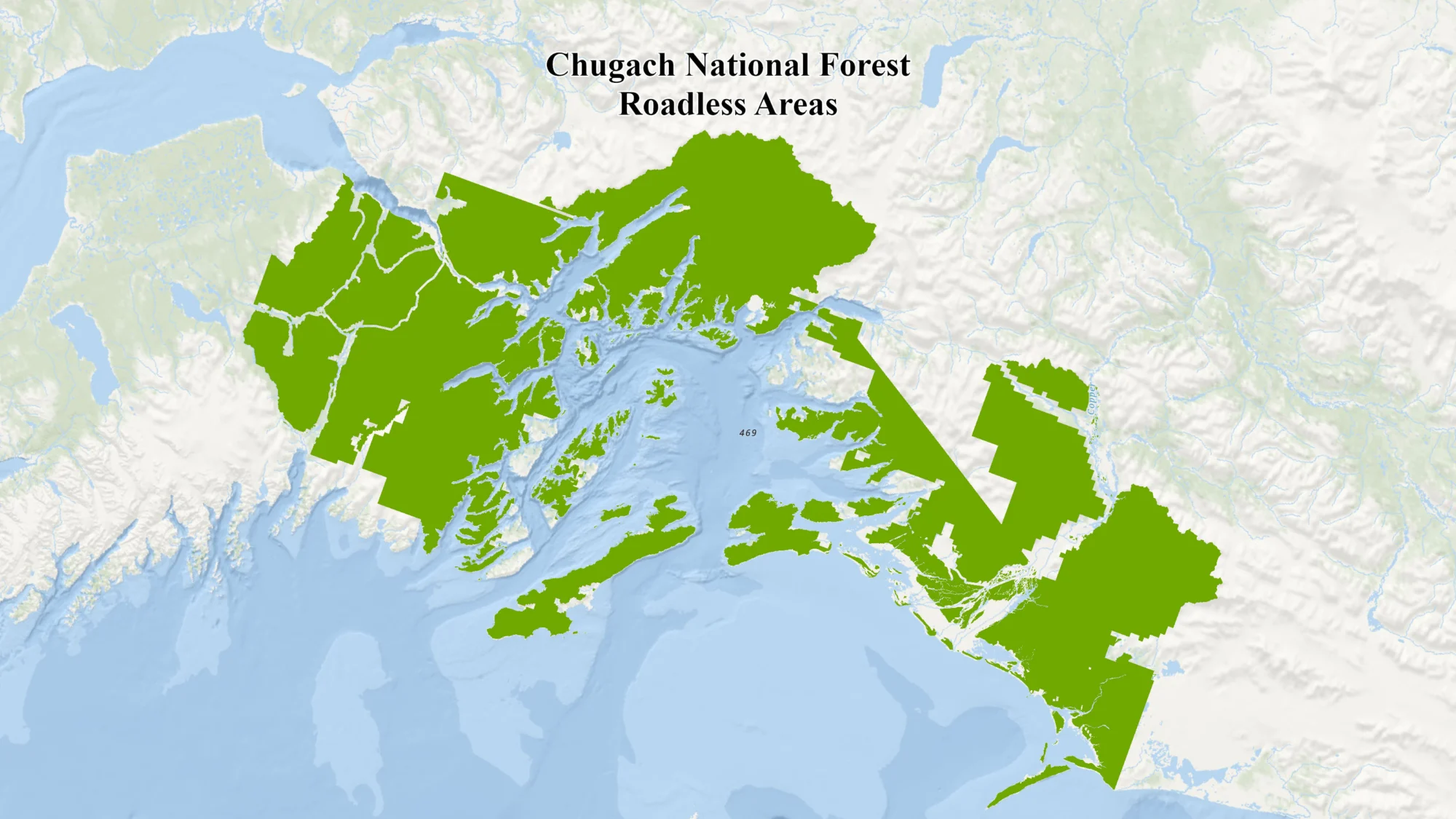
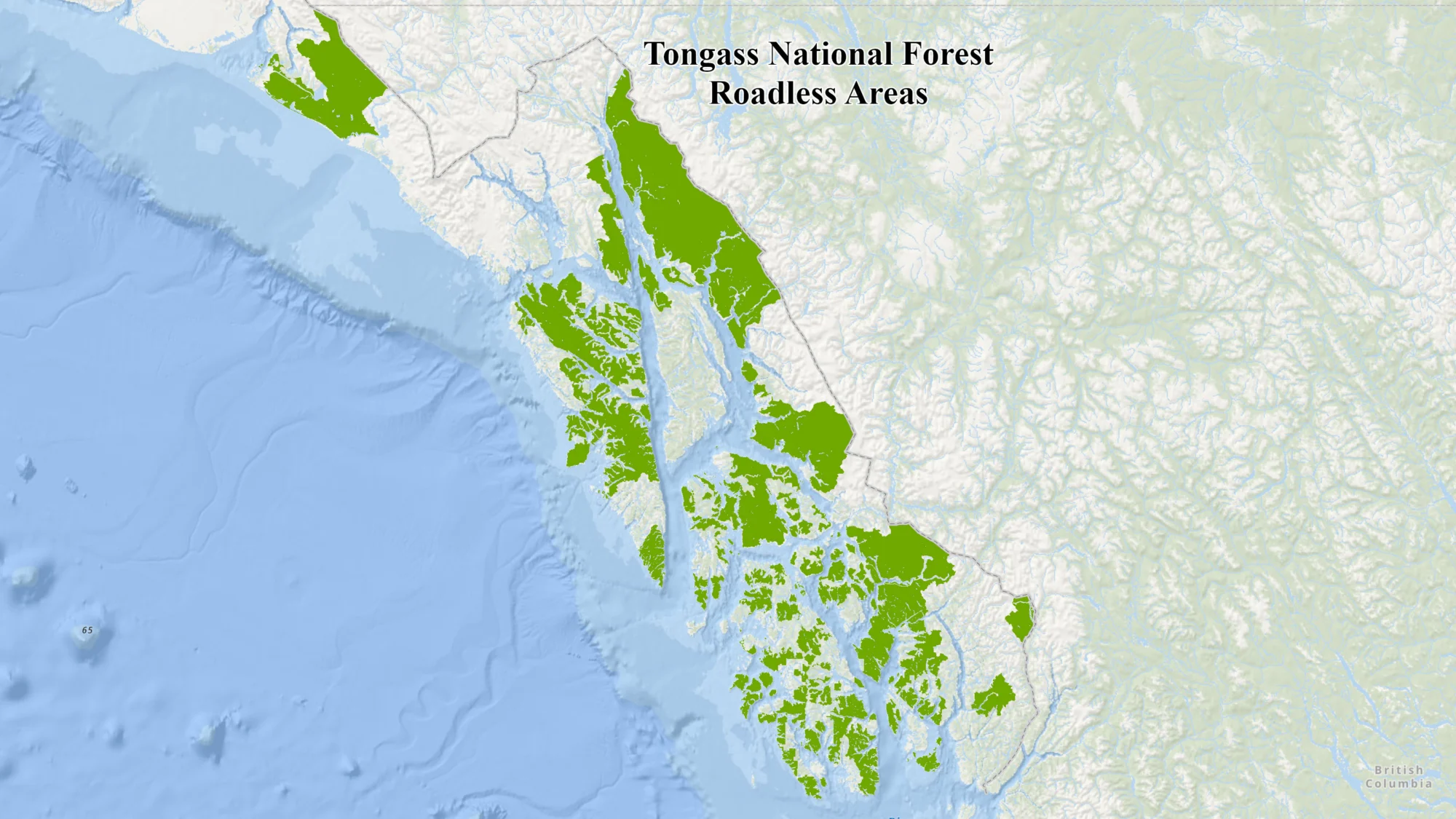
Roadless mapper lets you zoom in on a detailed map of roadless areas across Alaska and beyond. Worth a look to see exactly where these protections apply.
Trout Unlimited’s Roadless Report breaks down why this rule matters, both nationally and here in Alaska. Page 12 covers the Tongass specifically, which is where the report puts most of its focus since that’s where the biggest threat sits. But don’t overlook the Chugach. The rule protects five million acres there too.
Why roadless matters on the Tongass is an older blog, but it still holds up. Good overview of why this policy matters so much to our biggest, fishiest national forest.
Roadless Areas by the Numbers is a detailed story map that digs into the specifics of the rule and everything it protects.
Don’t miss all the stories from Alaska’s fishing community. Every episode of the Fish Alaska Podcast takes you into the rivers, the bays, and the conversations that built this state’s fishing culture. Meet the people. Hear the history. Find out why Alaska fishing is like nowhere else on earth.
About the Author Melissa Norris
Melissa Norris is the founder and Publisher of Fish Alaska and Hunt Alaska magazines. She has over two decades of experience fishing all over Alaska, writing about her time in the field, testing gear, planning trips and cooking and harvesting wild Alaska seafood. In addition to writing tons of content for the magazine and our website, Melissa heads our digital platforms and leads the design team.
The post Rescinding The Roadless Rule appeared first on Fish Alaska Magazine.