Letters between the Wek’èezhìi Land and Water Board, PwC and government indicate how the dispute was resolved
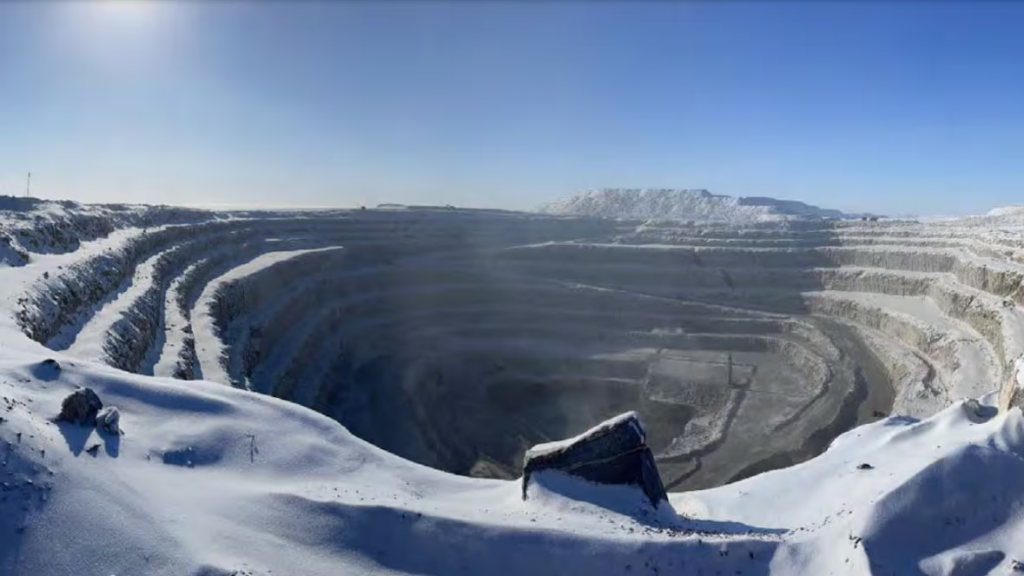
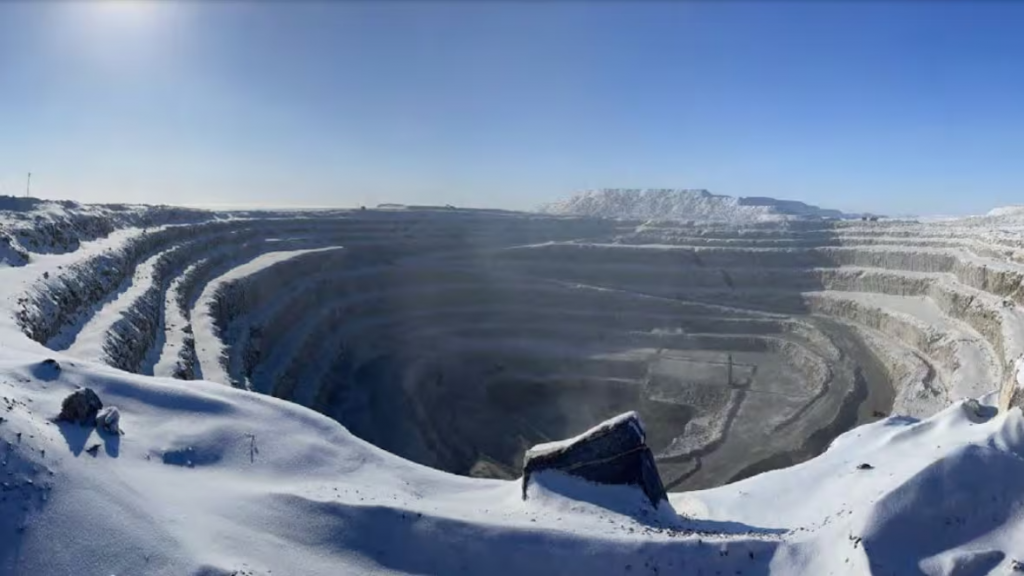
The N.W.T regulator overseeing clean-up of the Ekati diamond mine says steps have been taken to resolve a dispute over an unauthorized disposal of emulsion.
Last month, the Wek’èezhìi Land and Water Board accused the court-appointed receiver of the mine, PricewaterhouseCoopers (PwC), of dumping emulsion — a liquid commonly used for blasting at mine sites — into the mine’s tailings and wastewater facility at Long Lake.
This happened after the board said it gave clear direction to PwC not to do so.
The board threatened to suspend PwC’s water licence over the unauthorized waste disposal and called for a meeting with the receiver and the territorial government’s environment department.
According to the board, PwC said a government inspector had given approval to dump the emulsion.
PwC then wrote to the board on Aug. 21 and said the disposal of emulsion was a “regrettable gap in operational control” and there wasn’t any “deliberate disregard” of what the board had said or its authority.
PwC also indicated that within 24 hours after it became aware of the situation, staff were told to stop any work with the emulsion.
Between the time disposal of emulsion began and when it stopped, approximately 32,000 kilograms of emulsion had been dumped, wrote PwC.
New measures in place
Three days later, the board, PwC and the government had a meeting.
That same day, N.W.T. Environment and Climate Change Minister Jay Macdonald sent a letter to the Wek’èezhìi Land and Water Board.
He wrote that the inspector gave no authorization to dump the emulsion, but the measures PwC put in place after becoming aware of the issue were “appropriate” and “comprehensive.”
He continued that he has “full confidence” in PwC to manage the site moving forward.
On Aug. 28, the board sent a letter to Macdonald and acknowledged the government hadn’t authorized PwC to dispose of the emulsion into the Long Lake facility.
It said an investigation had been carried out and new procedures and systems had been put in place to prevent similar issues in the future.
Still, it asked the territorial government to support an increase in inspector presence on the site to give the board greater comfort during the reclamation process.
Corrective measures include mandatory written authorization for all water and wastewater movements, a single on-site accountability point person, increased environmental staffing and a pre-approval requirement for any activity that exists outside of management plans, said Anuja Kale-Agarwal, a spokesperson for PwC, in a written statement to the CBC.
Kale-Agarwal wrote that the board has acknowledged these new measures.
“We look forward to working collaboratively with the board as we move forward with reclamation and closure activities,” the statement said.
Related stories from around the North:
Canada: Yukon gov’t reviewing quartz licences, guidelines for mine waste management, CBC News
Greenland: Greenland ‘Freedom City?’ Rich donors push Trump for a tech hub up north, Reuters
Russia: Russia sees stable oil exports and booming gas business by 2050, Reuters
Sweden: Swedish developer GRANGEX buys iron ore mine on Norway’s border to Russia, The Independent Barents ObserverUnited States: Environmentalists criticize Trump administration push for new oil and gas drilling in Alaska, Alaska Public Media