Batson Rainshadow three-piece saltwater travel rod blanks give traveling Alaska anglers a carry-on-friendly alternative to bulky one-piece bottomfish rods. After building and fishing three different models in Yakutat, this review breaks down exactly why they’re a great choice.
By Marcus Weiner
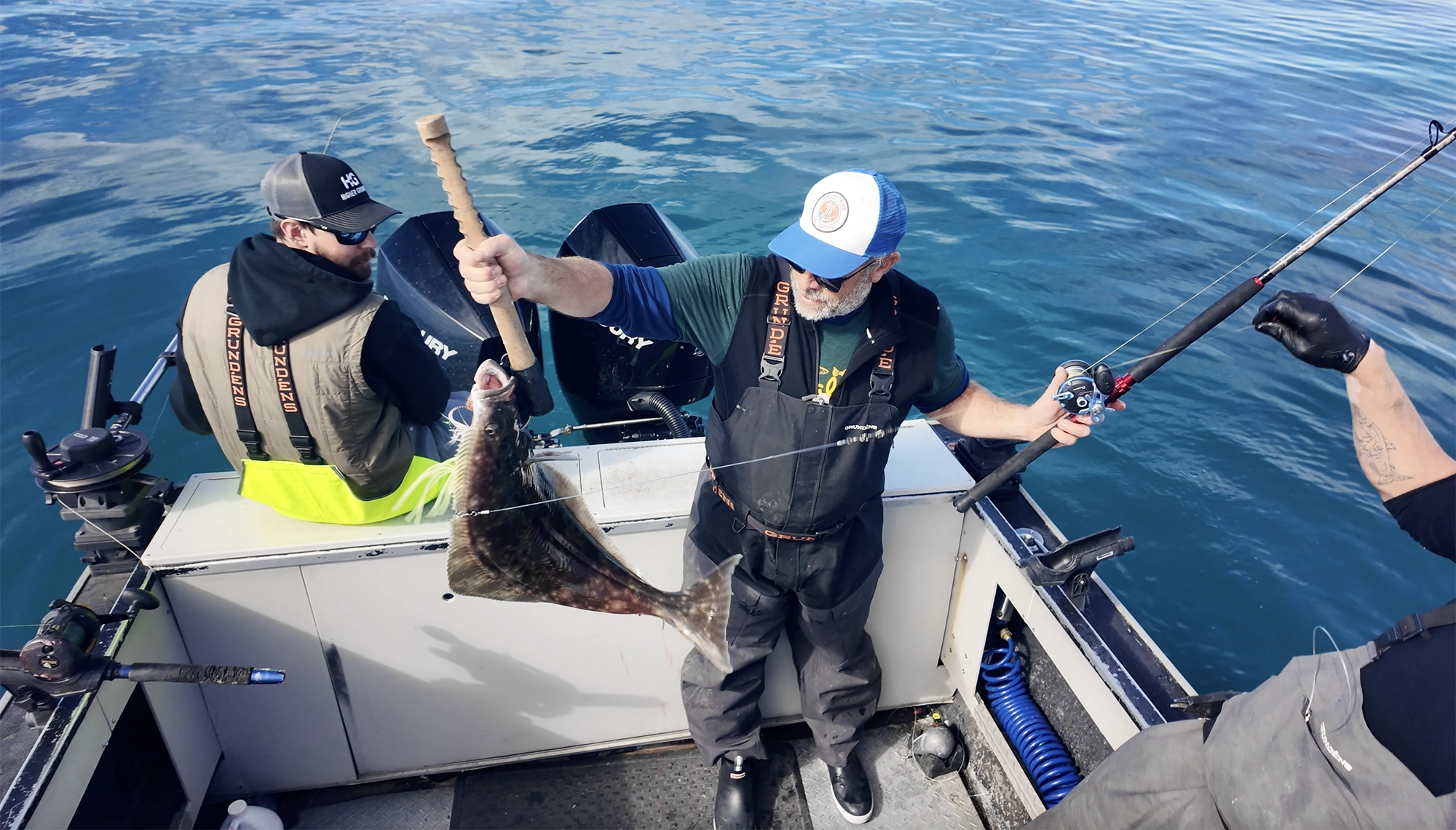
I have been a traveling Alaska saltwater angler for the last 30 years. For most of that time, I’ve been lugging around one-piece bottomfish rods in a large, heavy-duty plastic rod tube. The model of rod tube I used most was the Flambeau Bazuka. As a matter of fact, I used it in July 2025 to get one-piece halibut sticks to Kodiak.
When I heard that Batson was producing Rainshadow multi-piece saltwater travel-rod blanks, I was excited to build them out and put them to the test in Alaska.
Why a Three-Piece Rod Changes Travel

The obvious benefit of having a 3-piece travel rod is that you can carry these rods onto commercial flights. This means you don’t have to dedicate a piece of checked luggage for rods. Additionall, you eliminate the worry of wondering if your rods will make it to the destination in one piece, or the possibility of the rods not making it on the same flight. In many destinations across Alaska, your travel continues by vehicle, boat, or smaller airplanes until you reach your final destination, and if your rods get delayed in arriving, then that throws off your agenda. Since you can carry the Rainshadow three-piece travel rods onto the airplane, you’ll be accruing less checked-baggage cost. This becomes especially important when you decide to bring fish home from Alaska. Since they’re small enough to be carry-ons, they won’t get lost along the way, either.
Take for instance, my trip to Yakutat to fish these rods for halibut, lingcod, and rockfish. I get two checked bags for free on Alaska Airlines. The third and subsequent checked bags are $150 each. On this trip I checked one bag for clothes. In past years I would have checked one for clothes and one for rods.
I brought home two boxes of fish from the trip. If I had to check rods, that would have meant four checked bags, and cost $300. On this trip it meant three checked bags and cost $150. I will do the same thing in Kodiak in September. It’s not hard to see that if you are a traveling saltwater angler, that these rods will pay for themselves quickly.
Three Models, Three Jobs
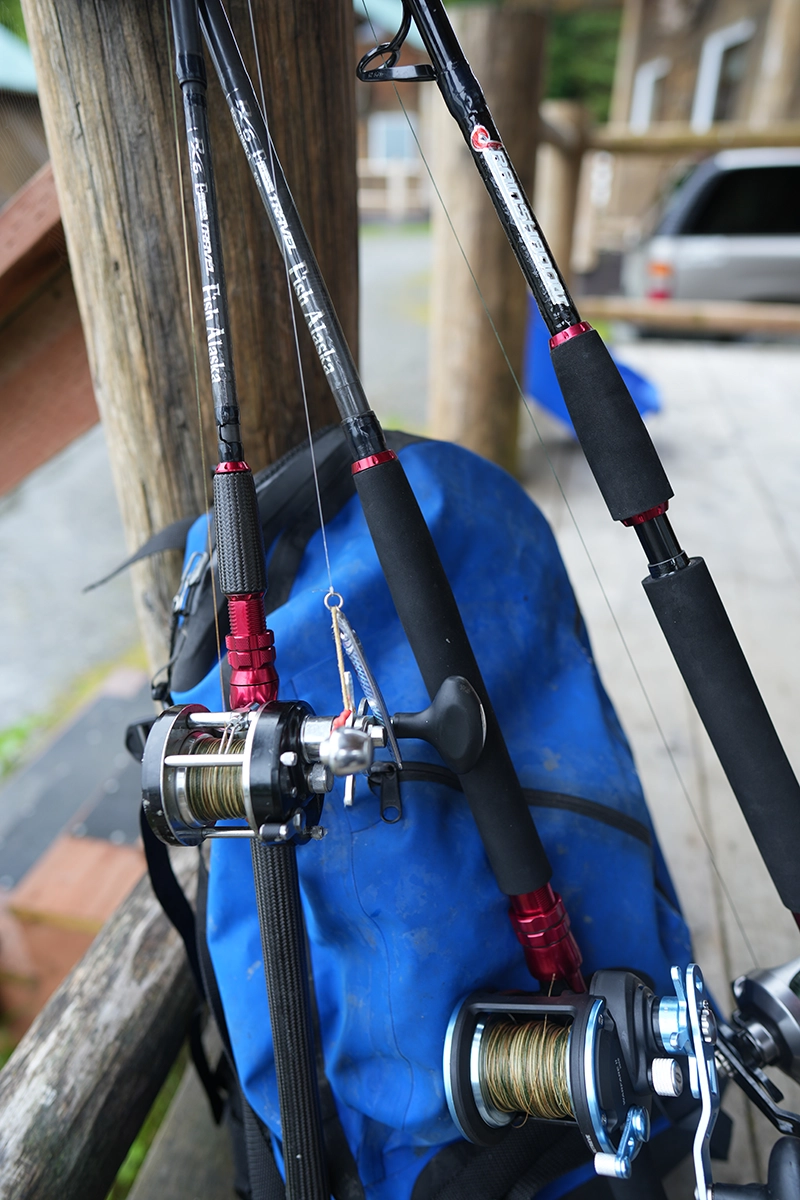
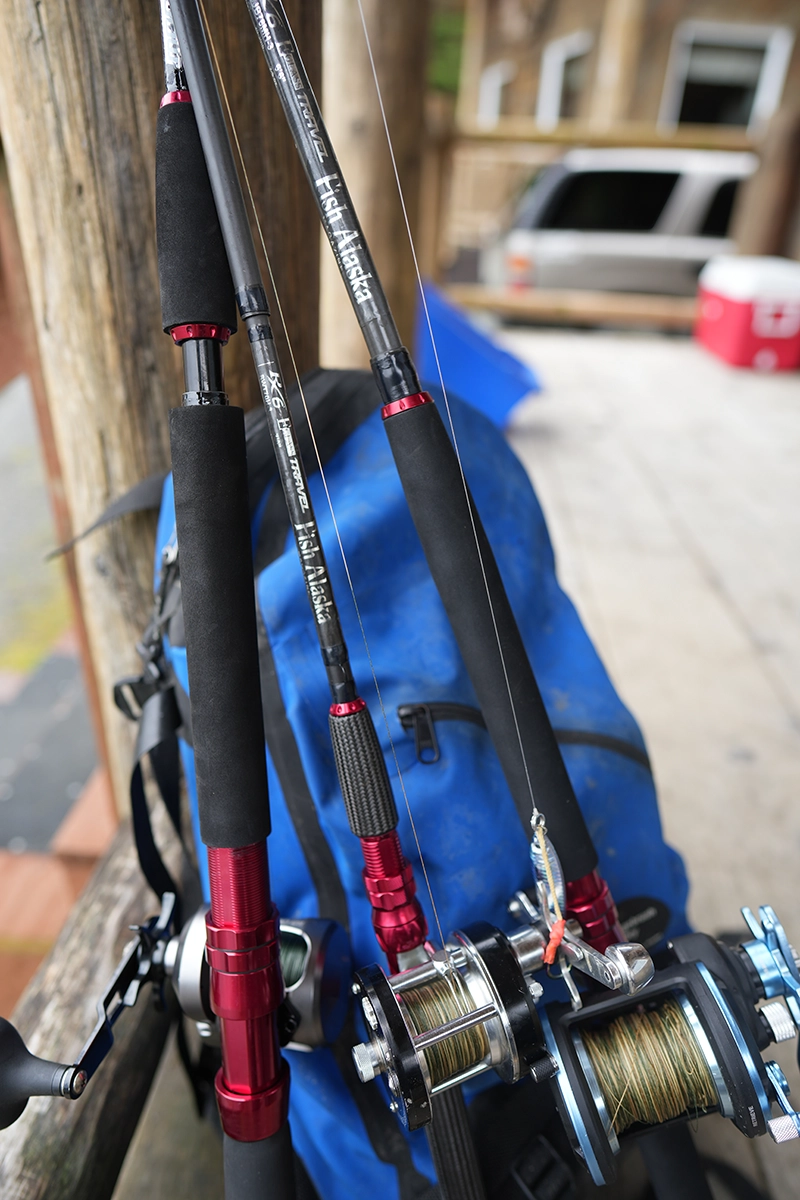
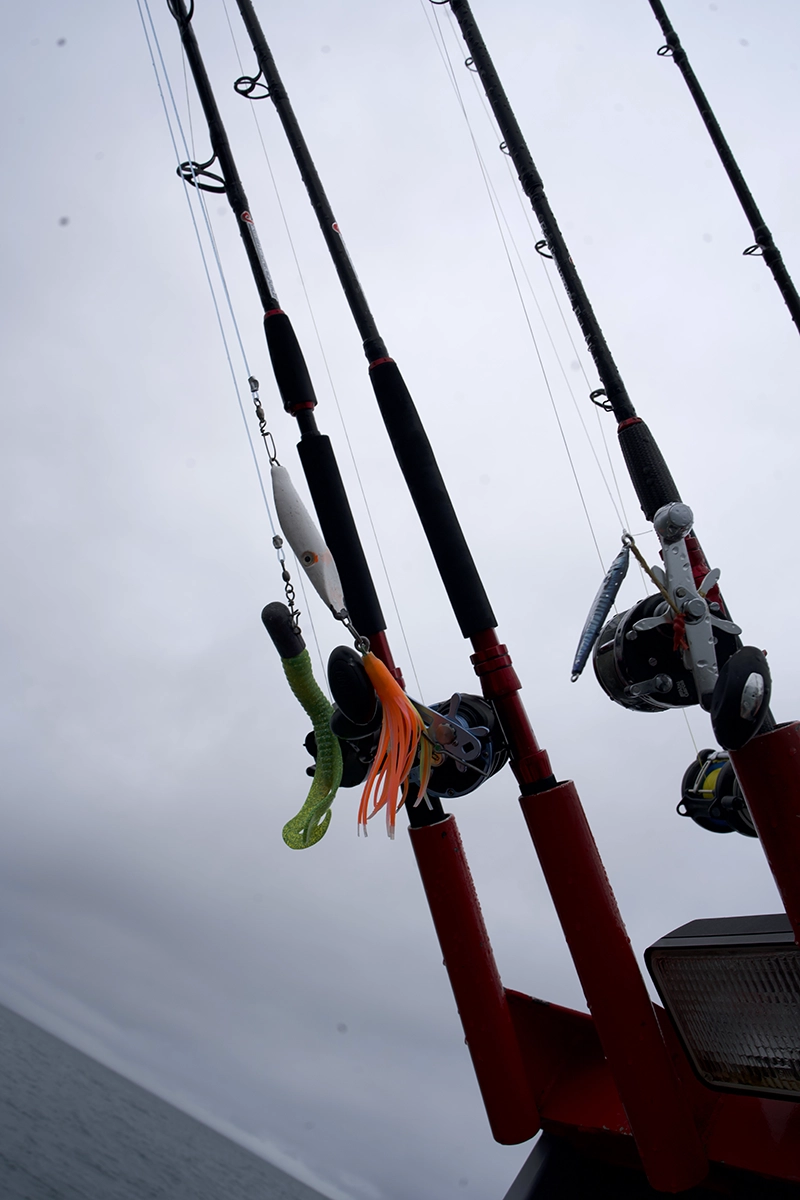
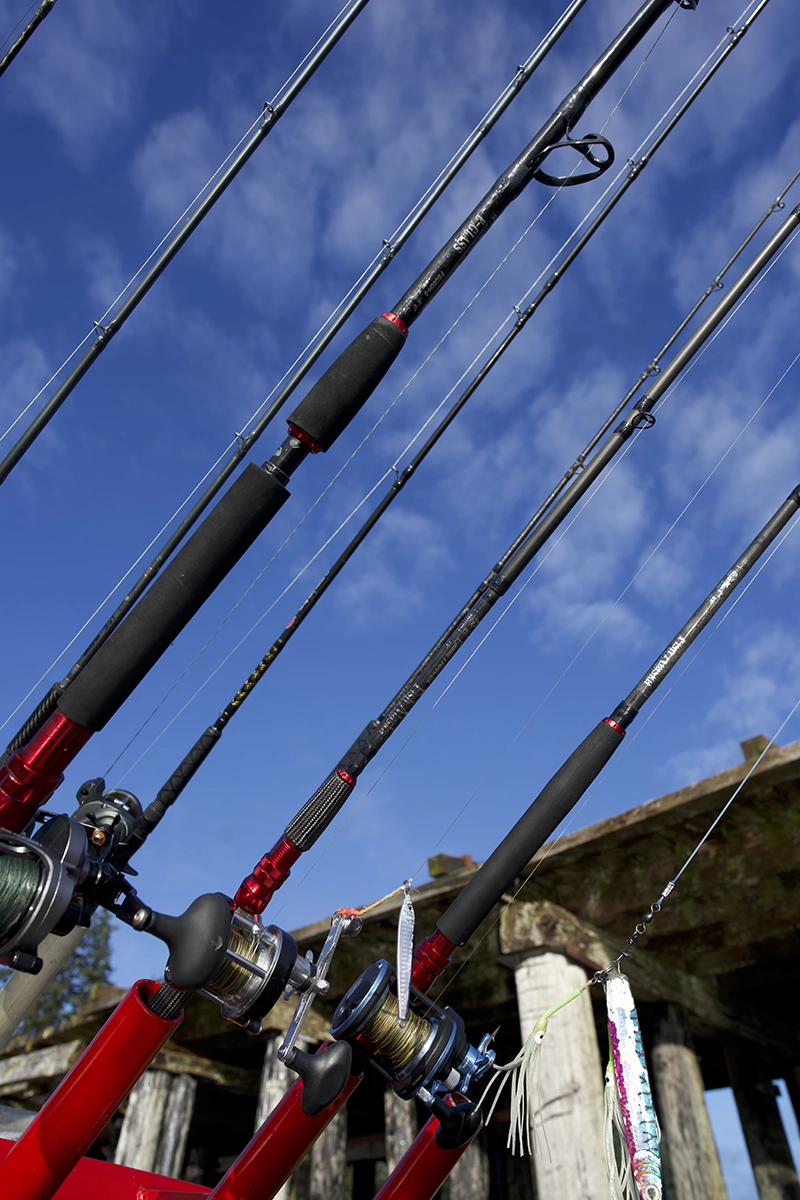
The original intent of this product review was to build and test the Rainshadow RCJB78MH-3. This is a 6’6”, fast-action, 3-piece blank made of RX6 graphite with an E-glass tip, rated for 20- to 30-pound-test line and 2- to 6-ounce lures. I figured this would make a good rod for vertical jigging to most of the halibut and lingcod that I encounter. When I heard that Batson was also producing the FSU60H-3 and the SWT70H-3, I asked to build out all three models, and Batson generously obliged.
The FSU60H-3 is a 6’, moderate-action, 3-piece rod made of E-glass and rated for 30- to 50-pound-test. I figured this would be a good choice for soaking bait using a heavy lead, or for jigging the oversized leadhead jigs that we use in heavier currents and big tides. The SWT70H-3 is a 7’, 3-piece, moderate-fast-action rod made of RX6 graphite and E-glass, rated for 12- to 25-pound-test line and ½- to 2-ounce lures. I envisioned using this rod to jig for rockfish and knew that it could handle all but the biggest lingcod should one choose to eat my jig.
A Clean, Custom Build
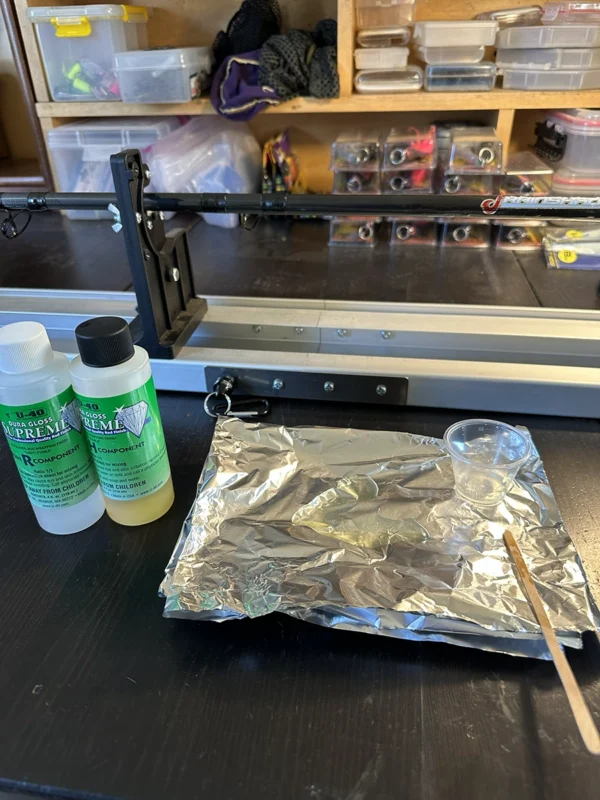
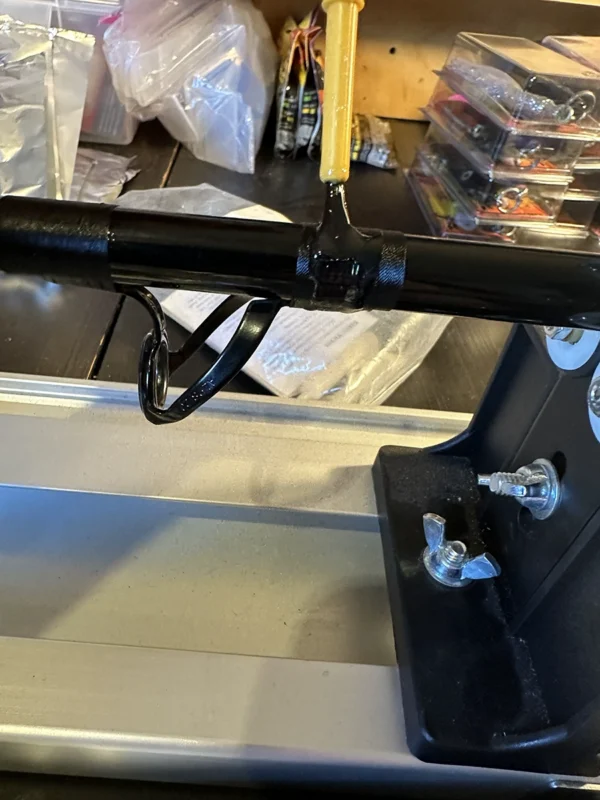
The builds went smoothly. Batson provided a build sheet for each rod and I followed their instructions. They chose red ALPS reel seats, trim rings, and winding checks, which complement the black handles and blanks. I chose to wrap all the double-foot guides with black size D thread. After wrapping, preserving thread color, and applying two coats of epoxy to the threads, the resulting thread wraps blend into the rod, which I think looks good. The good folks at Batson added my Fish Alaska magazine logo to the rod sticker, which further adds to the custom build. During my initial testing of these rods, about a dozen anglers had a look at the rods and commented positively on their appearance.
Putting the RCJB78MH-3 to Work
So far, I have fished the rods for four days in Yakutat in July. I spent most of the time jigging the RCJB78MH-3. I estimate that I have jigged for roughly 16 hours so far with this rod. It is comfortable in the hand, and the large fore and rear grips give the angler multiple options for where they grip the rod. Over many hours of jigging, being able to vary the grip and how you anchor it in your hands and against your forearms allows you to reduce fatigue and jig for longer periods of time. Grips are made from EVA and covered in heat-shrink tubing, providing both a good feel in your hands, and a handle that is easy to clean and won’t absorb fish slime, blood, or the fish-attracting gels that we often add to our jigs.
In my experience, while the rod is rated for lures from 2- to 6 ounces, it is capable of handling lures to 8- or 10 ounces. The action of the blank is well suited to vertical jigging. It’s got a fast tip to allow you to snap the jig vertically and let it flutter, and it quickly recovers so that you can feel the strike as the jig descends. Once you are tight to a fish, the rod shows the angler its backbone, and feels like it can handle fish to 50 pounds and beyond. So far, I haven’t managed to hook anything bigger than about 25 pounds, but I am confident that once I do, this rod will provide the means of bringing a big halibut or lingcod to the surface.
Guides and Reel Seat on the RCJB78MH-3
Batson chose ALPS SS316-XN Guides w/‘H’ rings for the build. They are made with a 316 stainless-steel frame with an aluminum-oxide ring. This is a common, durable, and smooth ceramic insert that will hold up to the abuse of jigging for big bottomfish with a braided mainline. These guides are strong and lighter than a traditional saltwater guide, which helps reduce total weight, improves rod action, and makes it easier to jig for longer periods of time. The ALPS Centra-Lock aluminum reel seat holds the reel securely and cinches down nicely with dual locking nuts that feature finger detents.
Rockfish Duty on the SWT70H-3
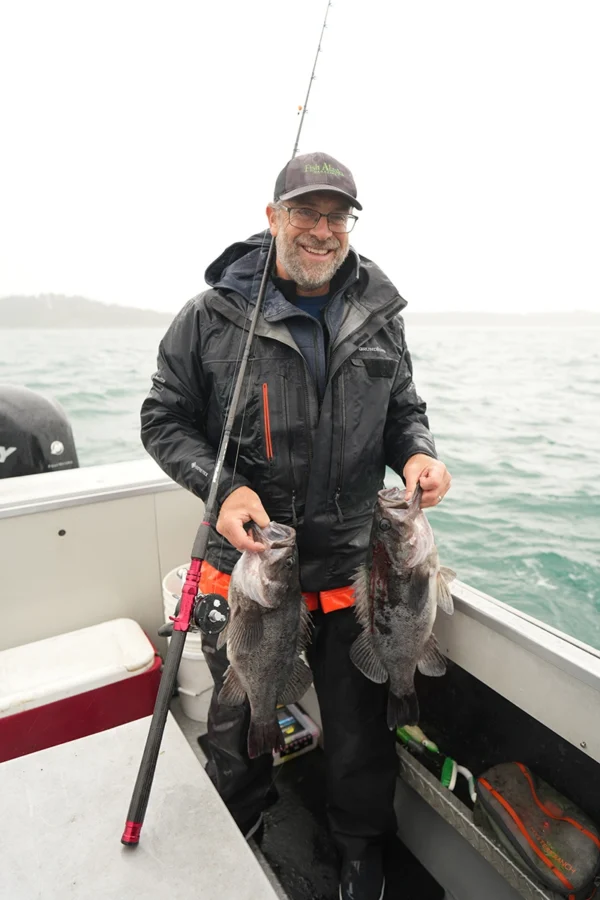
The rod I have fished second most so far is the SWT70H-3. I set this rod to the task of vertically jigging 2- to 4-ounce lures for black rockfish. All told, I spent about two hours so far catching black rockfish with the rod. The operative word here is catching. Black rockfish angling was good while I was in Yakutat, and I’d estimate that I landed at least 30 black rockfish on the rod. The largest of these specimens approached 7 pounds. I have no doubt that this rod would work to catch lingcod to 30 pounds. While the rod is rated for lures from ½ – to 2 ounces, it is capable of handling larger jigs with ease.
I like the length, action, and the overall performance of the rod. The Forecast carbon-fiber fore and rear grips are light and offer excellent traction in the hand. The ALPS Aluminum Trigger grip is made from 6061-T6 aluminum and securely locks down the reel and provides stability in your hand when you engage the trigger. The build included ALPS SS316 Med XN Guides w/’H’ rings. These guides are light and strong, made of a stainless-steel frame with aluminum-oxide inserts.
Heavy Water with the FSU60H-3GB
The rod I have fished least so far is the FSU60H-3GB. I would choose this rod when fishing jigs heavier than 10 ounces, or for soaking bait. I fished both 12- and 16-ounce jigs with the rod, as well as soaked bait using 32 ounces of lead. It has enough backbone to yo-yo these heavier jigs, and I feel confident that I could land a triple-digit halibut on the rod. One of the design features I like about this build is the second fore grip that mounts on the mid-section of the rod. It gives the angler another location to place your hand, and makes it easier to jig heavier lures by widening your hand position.
Grips are made from EVA and covered in heat-shrink tubing. This makes them comfortable, durable, and easy to clean. The ALPS aluminum reel seat is heavy duty and effective. Rod guides are ALPS SS316-Heavy XN Guides w/’H’ rings. These heavy-duty saltwater guides are made with stainless-steel frames and aluminum-oxide inserts, like the other two builds. These guides are a heavier model, suited for the heavier rod, heavier lures or weights, and bigger fish.
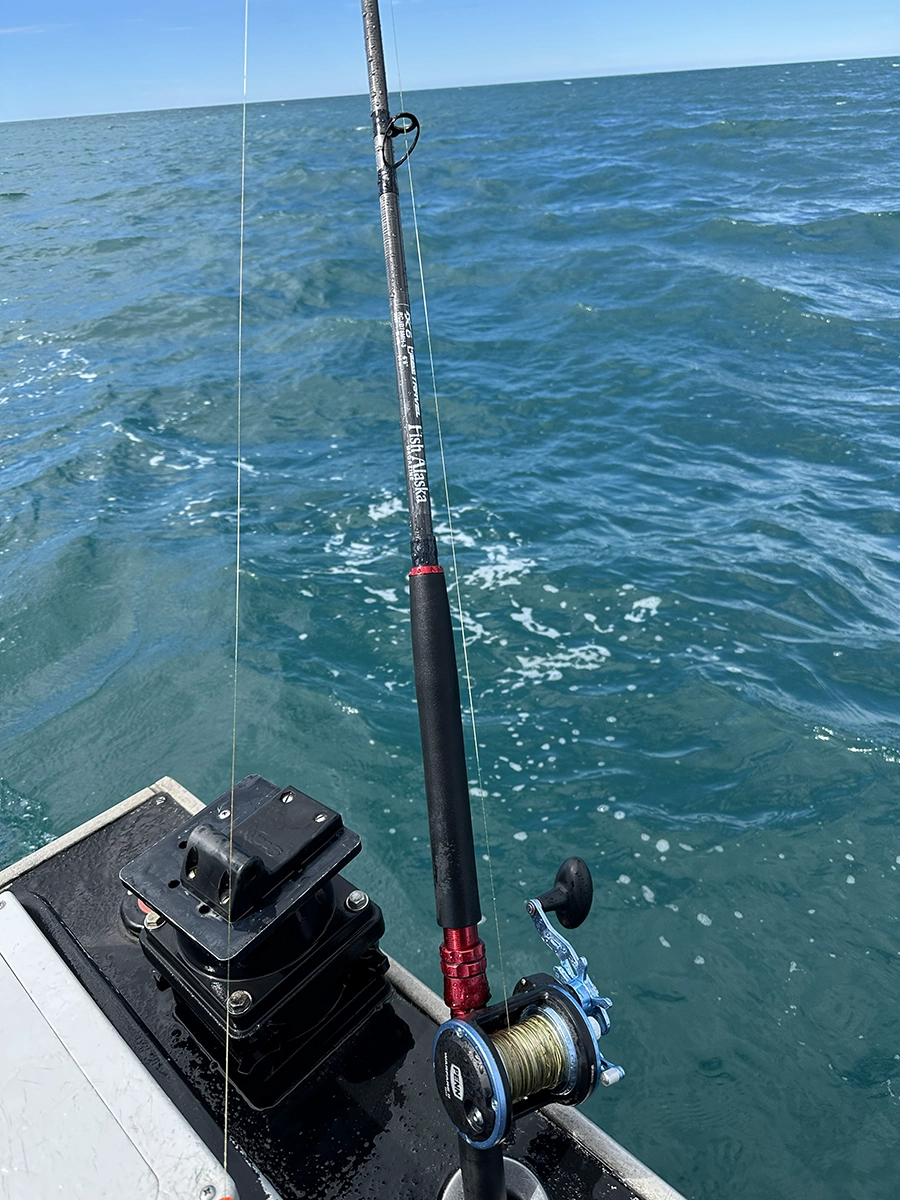
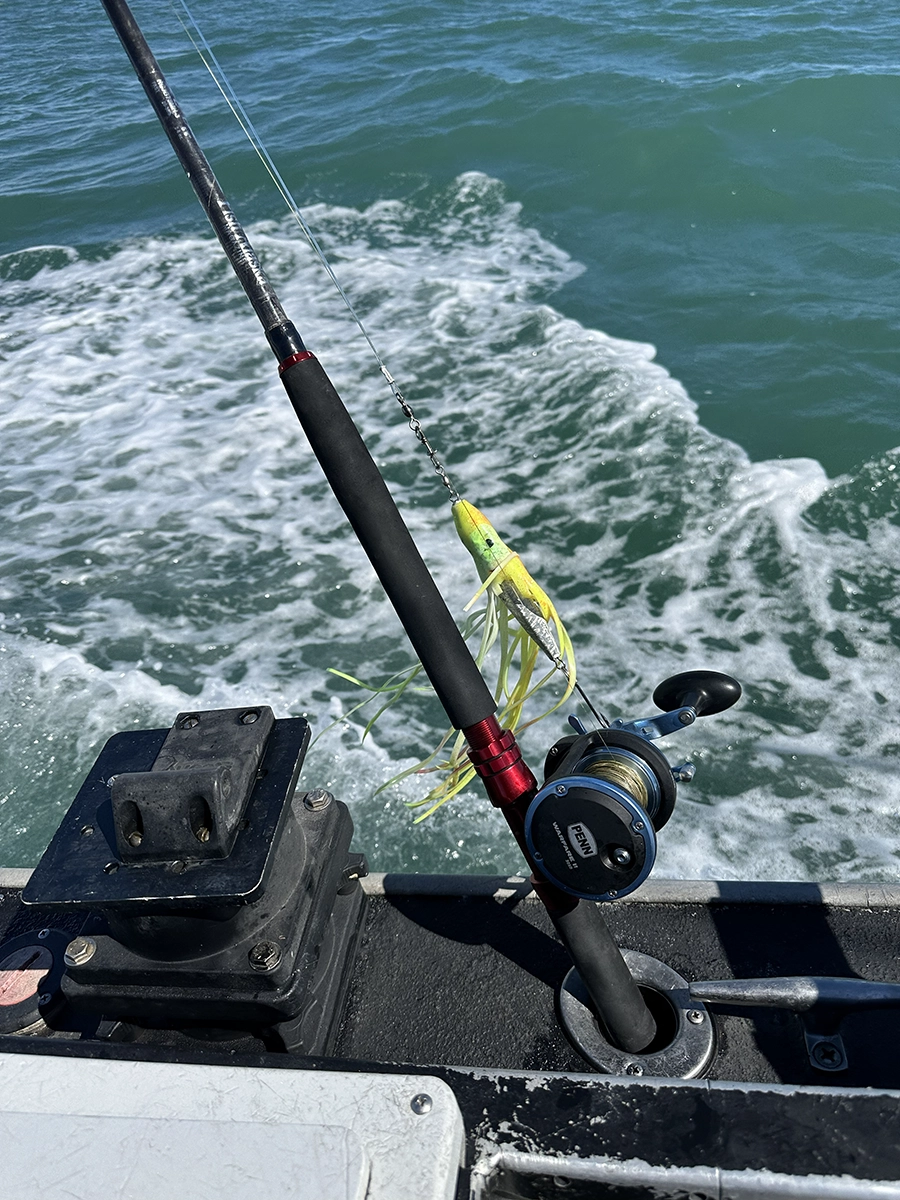
The Verdict Is In
I can unequivocally recommend these three rods builds to traveling saltwater bottomfish anglers. Between the three models, you can fish for halibut, rockfish, and lingcod in a variety of conditions and depths. Not only do they perform admirably, but you will also save money in the long run when you don’t have to pay to check traditional one-piece bottomfish rods. The final benefit is that you get the satisfaction of catching fish on a rod you built. I intend to fish these rods again in September in Kodiak and will add another installment to this product review in October.

Marcus Weiner
About the Author Marcus Weiner
Marcus Weiner is the founder and Publisher of Fish Alaska and Hunt Alaska magazines. Marcus has decades of experience fishing and hunting all over Alaska. In addition to managing the editorial departments for both publications, Marcus is a regular feature writer for the magazines and content provider for the websites. Check out Marcus’s YouTube Series “The Jig Life” on the Fish Alaska YouTube Channel.
The post Batson Rainshadow Three-Piece Saltwater Travel Rod Review appeared first on Fish Alaska Magazine.