
Alaskans face chronic health problems that are not yet easing and, in some cases, getting worse, according to a new status report released by the Alaska Department of Health. At the same time, there are signs of improvement in health, health care and the socioeconomic conditions that support well-being, particularly among youth, according to the report.
The 2026 update is part of the long-term Healthy Alaskans program, a collaboration between the state Department of Health and the Alaska Native Tribal Health Consortium.
The program sets 10-year goals and uses a holistic approach that considers factors like food security, housing security, public safety, education and other indicators. The new report comes at about the midpoint of the period covered by the Healthy Alaskans 2030 State Health Improvement Plan.
“The State Health Assessment is a comprehensive health checkup for the whole state; it represents the health of all of us,” Dr. Robert Lawrence, the Department of Health’s chief medical officer, said in a statement. “Like any checkup, knowing where we are on target and where we can improve helps us be strategic on where we focus our time and attention to the benefit of all Alaskans.”
The report includes some bad news, some of which concerns obesity, poor diets and related ailments.
In 2024, 185,000 Alaska adults were identified as suffering from high blood pressure and 167,00 from high cholesterol, health conditions often tied to excessive weight, the report said.
Those totals represent significant proportions of the state population. As of 2025, Alaska’s population was estimated at 738,737, about three quarters of whom were adults.
Among high school students, 33% were overweight or obese in 2023, the report said. And the vast majority of Alaskans, whether adults or students, failed to consume the recommended daily amounts of fruits and vegetables and failed to engage in the recommended daily levels of exercise, the report said.
Alaskans’ life expectancy has not increased since 2014 and actually showed a slight downward trend through 2024, though there has been recovery since the dip caused by the COVID-19 pandemic. Broken down into demographic groups, Alaska’s Asian and Pacific Islander residents had the highest life expectancy in 2024, at 81.0 years, and Indigenous residents the lowest, at 67.6 years. The Alaska Native life expectancy in 2024 was 10 years shorter than the overall U.S. average, the report said.
The statistics on life expectancy are among several examples of health disparities resulting in poorer health for Alaska Natives. Those are related in part to unequal access to health care and other services, the report said. “The current and historical conditions, policies, rules, and power structures in communities underlie whether individuals have the best chance at living a healthy life, including practicing healthy behaviors,” it said.
Rates of infant mortality showed no improvement over the past decade, and a big disparity persists for Alaska Native people. The rate of infant deaths was 13 per 1,000 births among Alaska Native people in the years from 2020 to 2024 — about twice the rate for the state as a whole, according to the report.
Childhood vaccination rates in Alaska continue to lag national rates, the report said.

There is good news in the report, though.
Among those positive signs is a significant increase over time in prenatal care. In 2008, only 39% of women who gave birth in Alaska had received adequate prenatal care starting in the first trimester; by 2024, that measure had risen to 67%
High school graduation rates are up as well. In the 2010-11 school year, 68% of Alaska students graduated high school within four years; by the 2023-24 school year, that rate has risen to 78%. Graduation rates for Alaska Native students lagged the state average, but they also improved during the period, from 51% to 65%, the report said.
That is important because education is linked to better health, the report said.
“In Alaska, 35% of adults without a high school degree reported five or more poor physical health days in the last 30 days, compared with 22% of adults with at least some college education,” it said.
Alaska teens are less likely to be exposed to secondhand tobacco smoke, part of an overall trend toward establishment of tobacco-free zones and similar policies, the report said. In 2011, 36% of high school students were exposed to tobacco smoke; the rate fell to 25% in 2024, the report said.
Some health-related metrics showed mixed signals as of 2024, according to the report.
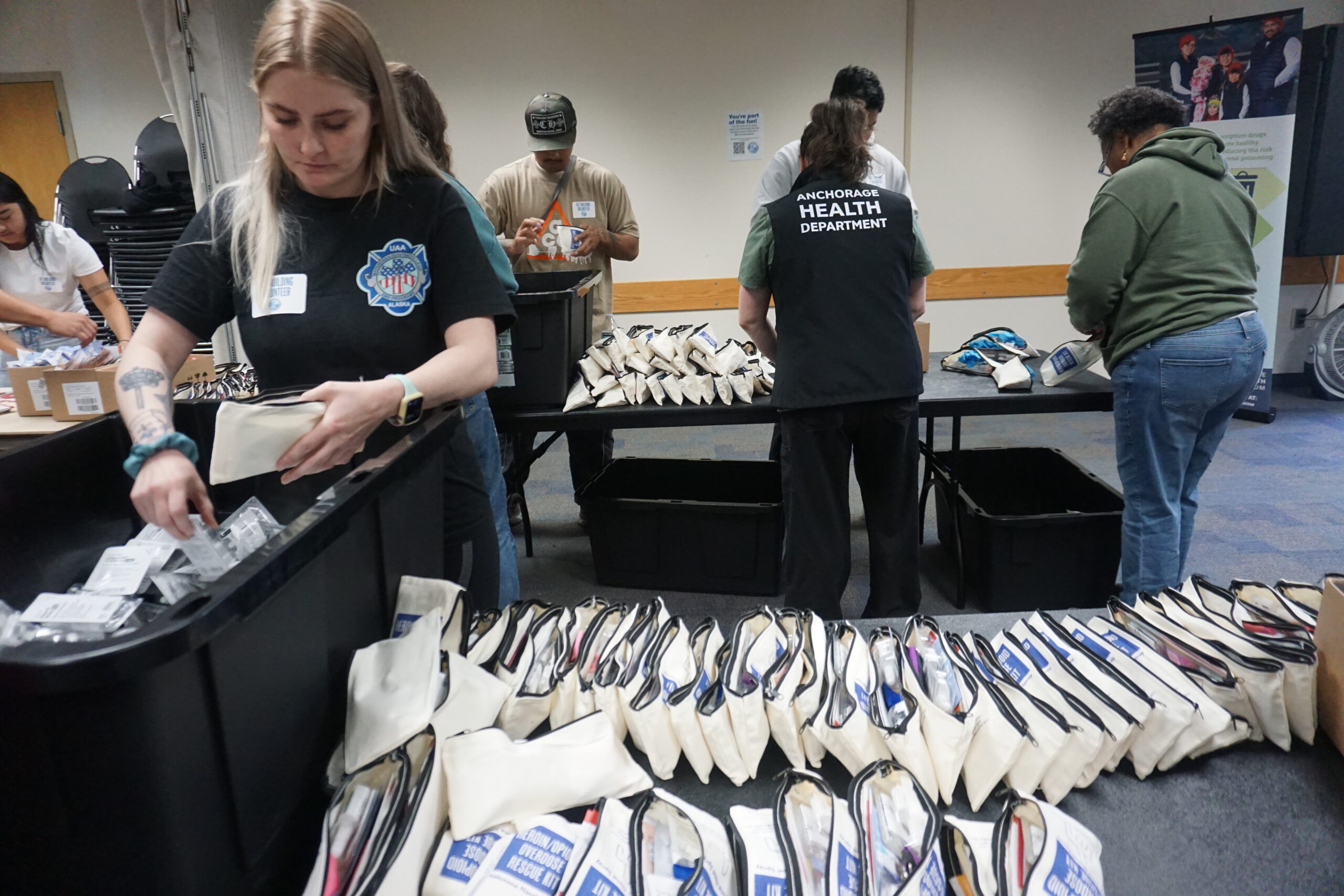
Drug overdoses that spiked amid the national opioid crisis are showing signs of abatement. Alaska’s rate of fatal overdoses more than doubled from 2019 to 2024, from 18.1 per 100,000 people to 45.6 per 100,000 people, the report said. But the 2024 rate represented a 5% decrease from the peak rate hit the year prior. That was not as dramatic as the national drop of nearly 27% from 2023 to 2024, but indications are that the downward trend will continue into 2025, according to Department of Health records.
Climate change poses numerous health challenges, the report said. In rural areas, changes to fish runs, wildlife populations and berry crops have interfered with traditional harvests of wild foods and diminished food security. In various parts of the state, wildfire smoke is a health hazard. Risks of certain diseases have increased with the changing climate, the report added.
As those challenges mount, there are new programs and systems aimed at mitigating those threats, the report said.
Alaska’s extensive and continually improving trail system, which helps people reach sources of wild food, and also supports exercise. Contributes to overall health, the report said. More Alaska-grown food has become available over time. Organizations like the Food Bank of Alaska are reaching residents in need, including the state’s growing population of elderly residents.