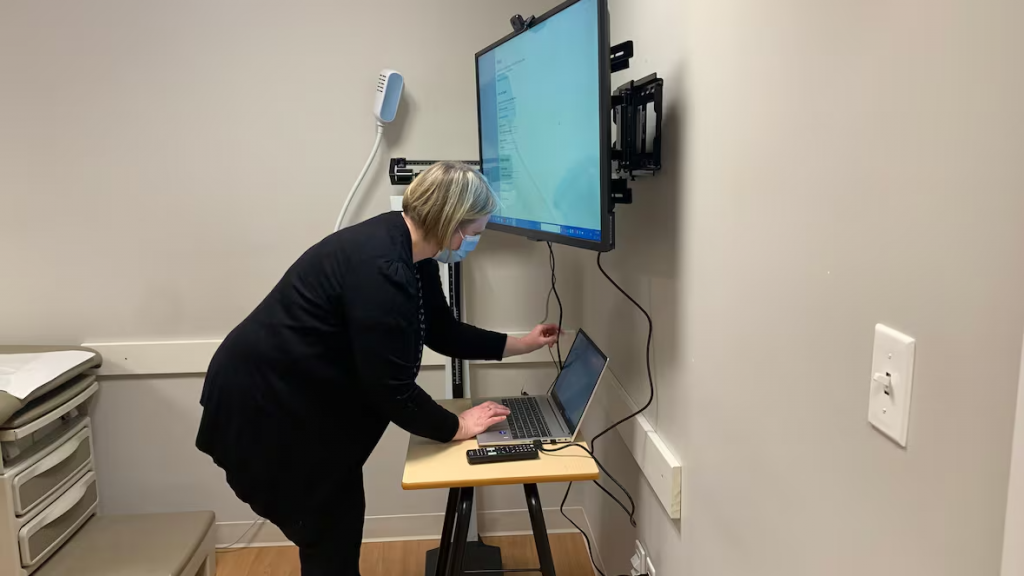
Recommendations stem from investigation ordered in the wake of 3 deaths in the Dehcho in early 2025
If patients could video call a doctor or nurse, would that help or hurt health care in small communities?
It’s a question a recent set of recommendations asks N.W.T. leaders to consider and while one expert says it would improve care, some who live in the region say relying on technology is risky.
“It’s a good idea if you can deal with that technology,” Joachim Bonnetrouge, an elder in Fort Providence, said. But he’s skeptical without seeing an example of how it would work.
The recommendations follow an investigation into the deaths in early 2025 of three Dehcho residents. Families of the deceased, along with some N.W.T. politicians, said the deaths were preventable and exemplify inequities in the territory’s health care system.
MLAs passed a motion in March 2025 calling for an investigator to look into the deaths.
Health Minister Lesa Semmler tabled the investigator’s recommendations in June but the Department of Health and Social Services (HSS) said the full report and findings are confidential.
The recommendations ask that the N.W.T. health authority “evaluate” virtual diagnostic tools, and implement those that would better clinicians’ ability to provide remote support.
Jason Sutherland, a professor in health services and policy at the University of British Columbia, said that while in-person care at local health centres is best, technology is a good alternative for when that’s not possible.
“It’s clear that it’s hard to man them continuously and with the same health care provider all the time. So now we’re talking about second-best options,” he said.
Setting it up would require reliable internet access, equipment and someone who knows how to operate it — a much lower bar than medical staff, which Sutherland said would help amid a national doctor shortage.
But Dehcho Grand Chief Herb Norwegian worries that’s trading medical expertise for technical expertise.
“The last thing that you want to do is, you’re right in the middle of dealing with one of our people here when you got the Zoom on or virtual, however you’re doing it, and the damn thing craps out on you,” he said. “That’s scary.”
He said it could be an interim solution but it’s no replacement for hands-on care.
The Northwest Territories Health and Social Services Authority (NTHSSA) does have an option for patients to book phone or video calls for certain appointments.
On its website, the department directs patients to call their local health centre and says staff will let them know if the appointment can happen virtually.
According to a community survey from 2024, 29 per cent of households in the Dehcho didn’t have home internet access at the time.
Limits to where virtual care can help
In January 2025, Jean Marie River faced an outbreak of a respiratory illness.
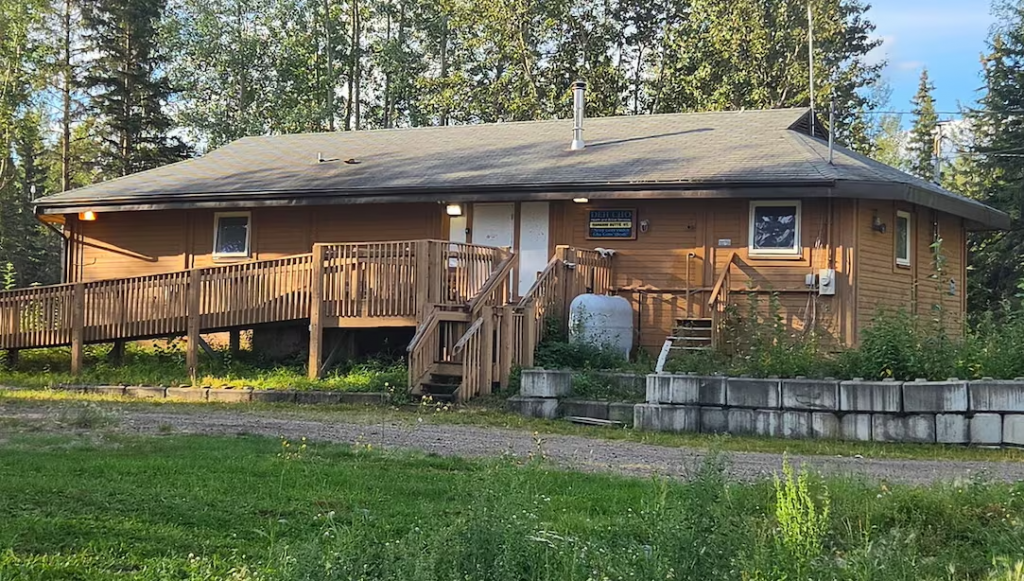
The Dehcho community is one of several in the region that don’t have permanent trained medical staff and instead lean on community health workers who assess and treat residents while receiving guidance from medical staff elsewhere.
A community member who had symptoms of a respiratory illness died during that time, though the cause of death has not been confirmed.
During the outbreak, the NTHSSA sent a nurse to the community to care for patients.
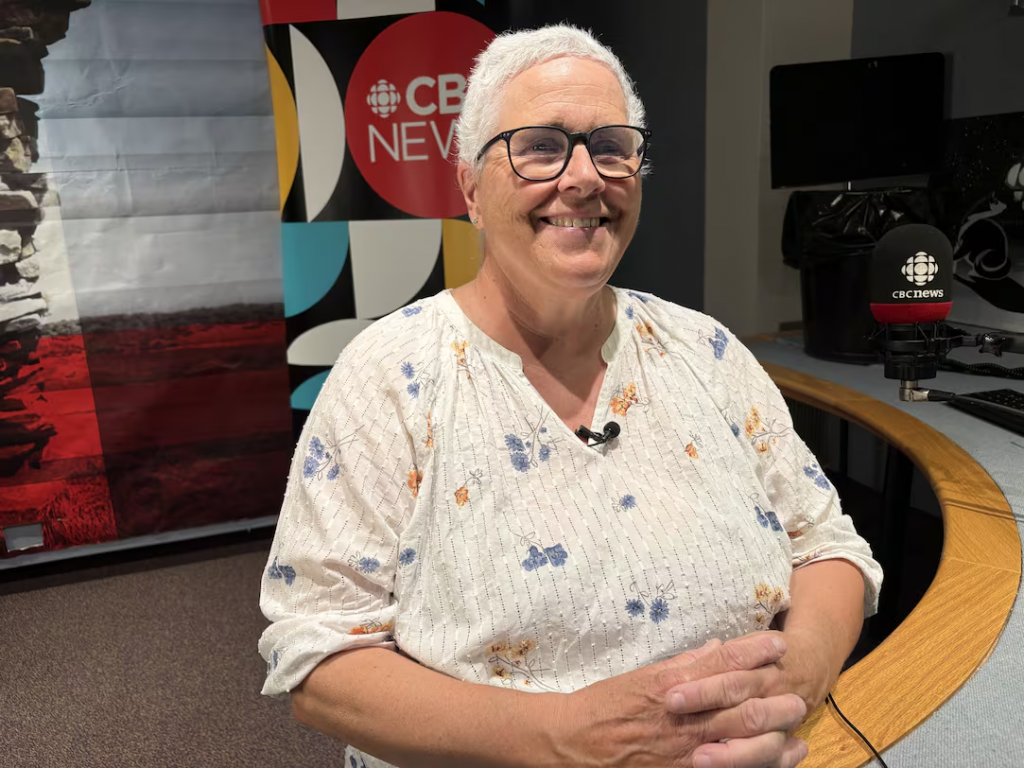
Sutherland said virtual care can help patients who are monitoring chronic conditions like diabetes and can help with initial screening of patients’ new symptoms but probably wouldn’t help much with an outbreak like the one in Jean Marie River.
“There are a lot of things health wise you can’t do remotely, like checking blood or labs or ultrasound. And certainly there’s going to be the demand for travel into more populated cities,” he said.
Former N.W.T. health minister Julie Green said she’s not sure whether virtual health care would be effective, especially in communities with limited internet capacity. But she said she hopes the territory at least tries.
She suggested piloting virtual care in a smaller community like Nahanni Butte to see what works and what doesn’t.
“That to me would be better than doing nothing and just saying, ‘We can’t do it, we just don’t have the money,’” Green said.
Semmler, the health minister, declined an interview while she and her department review the recommendations. A spokesperson with the Department of Health and Social Services said the department anticipates being able to provide more information this fall about its next steps.
Related stories from around the North:
Canada: Yellowknife woman spent thousands to travel south and learn she has a fatal disease, Radio-Canada
Finland: Brakes on Lapland health cuts a win for Arctic communities, says Sami Parliament, Eye on the Arctic
United States: Senators, including Alaska’s, sound alarm on cuts impacting Indigenous health care agency, Eye on the Arctic