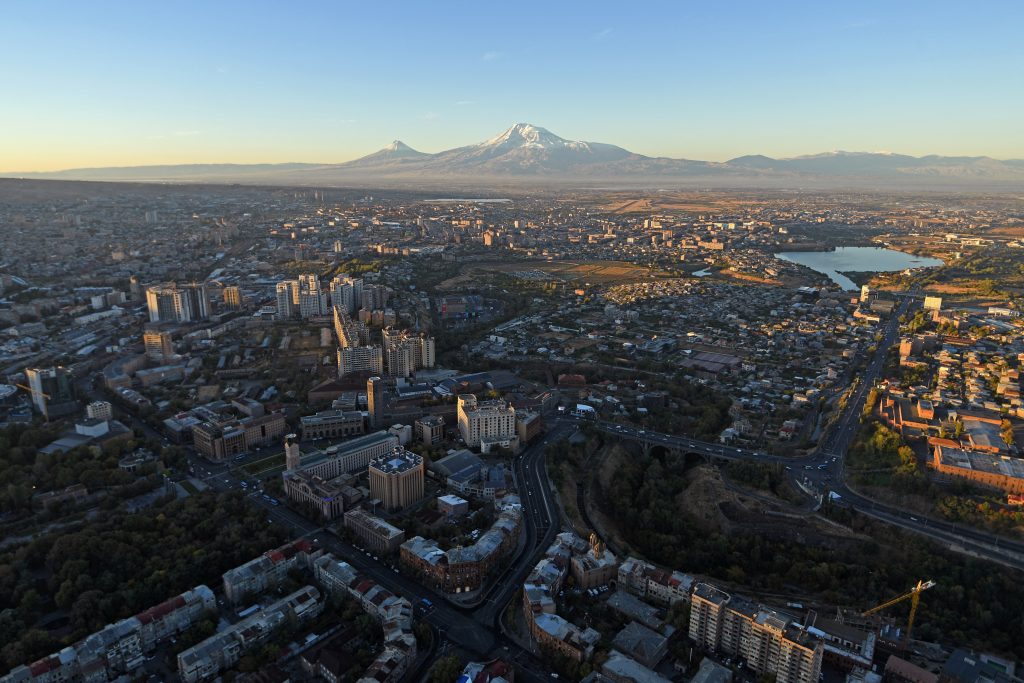
Inuit and Sámi representatives at the UN biodiversity conference (COP 17) in Yerevan, Armenia, say a new permanent body for Indigenous Peoples set up at the previous conference must protect their distinct rights and give them a real say in decisions that affect them.
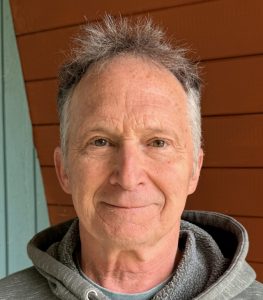
“Establishing a new permanent body for Indigenous Peoples was a historic decision,” Pirita Näkkäläjärvi, president of the Sámi parliament in Finland, said in a statement.
“Now it’s important to ensure that this new structure genuinely strengthens Indigenous Peoples’ rights, the status of traditional knowledge, and participation in the implementation [of the Convention on Biological Diversity].”
The main priorities at this year’s COP gathering include assessing national plans to implement the Kunming-Montreal Global Biodiversity Framework. Adopted in 2022 at COP15 in Montreal, one of its goals is to protect 30 per cent of the world’s land and waters by 2030.
At COP 16, a permanent auxiliary body was established to address the participation of Indigenous Peoples and local communities, as well as protecting traditional knowledge relevant to biodiversity conservation.
`Rights holders should not be conflated with stakeholders’
In a statement, the Inuit Circumpolar Council, which represents approximately 180,000 Inuit in Alaska, Canada, Greenland and Chukotka, Russia, said the new body needs to preserve existing arrangements for Indigenous participation and respect Indigenous Peoples’ right to choose their own representatives.
ICC also wants changes to language that groups Indigenous Peoples with local communities.
ICC argues the term “local communities” has no clear legal meaning and that treating it as equivalent to “Indigenous Peoples” erodes protections embedded in domestic and international law.
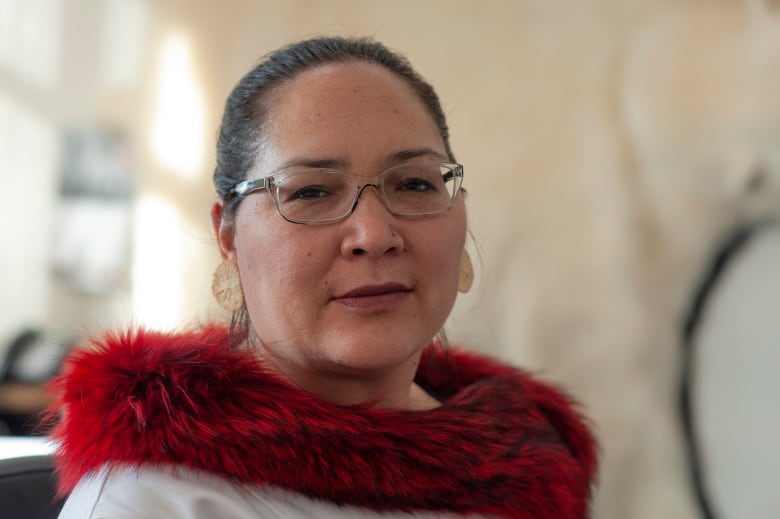
“Inuit are rights holders and should not be mistaken or conflated with stakeholders,” ICC Chair Aluki Kotierk said in a separate statement.
“This practice was enshrined in the Rio Convention in 1992 and has subsequently plagued all the United Nations conventions that were born out of Rio,” the ICC statement said.
“This language undermines the distinct cultural and legal rights of Indigenous Peoples, including Inuit, who have a unique relationship with the environment and biodiversity.”
The Sámi Parliament in Finland raised a similar concern, saying Indigenous Peoples’ status must be recognised in relation to other groups, including local communities.
COP 17 started on Oct. 19 and runs until Oct. 30.
Comments, tips or story ideas? Contact Eilís at eilis.quinn(at)cbc.ca
Related stories from around the North:
Canada: Canada says evidence on NunatuKavut council didn’t meet legal tests for Indigenous rights and title, Eye on the Arctic
Finland: Brakes on Lapland health cuts a win for Arctic communities, says Sami Parliament, Eye on the Arctic
Greenland: Visibility isn’t enough, Arctic Indigenous women say authority must follow, Eye on the Arctic
Russia: Russian Indigenous groups call on Elon Musk to boycott company behind Arctic environmental disasters, The Independent Barents Observer
United States: Canadian Gwich’in leaders and conservationists suing U.S. over leasing program for Arctic wildlife refuge, CBC News