For more than four decades, the Kenai River Sportfishing Association (KRSA) has been a leading voice in Alaska fisheries conservation. What began as an effort to protect Kenai River king salmon has grown into a statewide mission focused on sustainable fisheries. Habitat protection, education, and responsible fisheries management are at the core of KRSA.
In a recent conversation on the Fish Alaska Podcast, KRSA Executive Director Shannon Martin and Senior Fisheries Advisor Kevin Delaney shared their perspectives on Alaska’s fisheries, the challenges facing salmon populations, and the work KRSA is doing to ensure future generations can continue to enjoy the world-class fishing opportunities only Alaska can provide.
The Mission Has Evolved
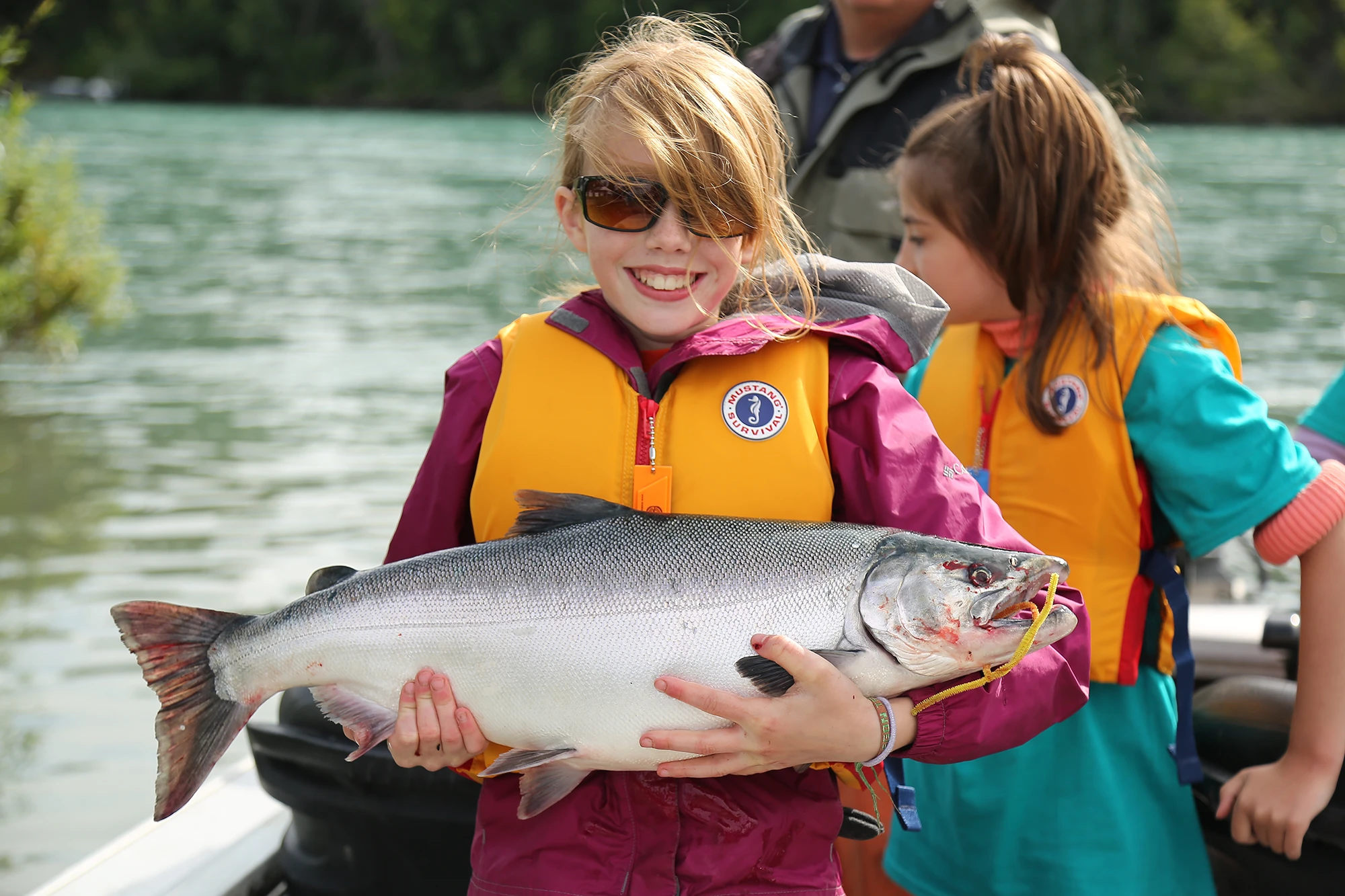
Founded in 1984, KRSA was originally created to address concerns surrounding Kenai River king salmon. Over time, the organization recognized that protecting a single species required a broader understanding of Alaska’s interconnected fisheries.
Today, KRSA focuses on four primary mission areas:
- Fisheries management
- Habitat restoration
- Research
- Education
According to Shannon, the organization’s goal is simple. They seek to ensure there are fish for today and fish for tomorrow.
Don’t Miss the KRSA episode of the Fish Alaska Podcast.
During our discussion, one of the central topics was the long-term decline of king salmon throughout Alaska. Kevin explained that salmon abundance is influenced by a complex mix of factors including ocean conditions, changing ecosystems, predator-prey relationships, bycatch, hatchery interactions, and harvest pressure. While fisheries managers regulate harvest within Alaska waters, many factors affecting king salmon survival occur far beyond our control.
The decline in Kenai River king salmon has led to increasingly restrictive management measures over the past decade. Since the first escapement goals were established in the late 1980s, fisheries managers have continually adapted regulations to protect spawning populations while maintaining fishing opportunities where possible. KRSA has been actively involved in these discussions for decades, helping develop conservation measures and advocating for management plans that distribute conservation burdens fairly among user groups.
Common Misconceptions
One recurring theme was the criticism KRSA occasionally receives from some segments of the fishing community. Both Shannon and Kevin rejected the idea that KRSA is anti-commercial fishing. Instead, they describe the organization as pro-fish and pro-conservation. “When we have enough fish in the river and we’re meeting escapement goals, everybody wins,” Shannon explained. Kevin emphasized that KRSA’s positions are based on biological sustainability and long-term fish abundance rather than favoring one user group over another.
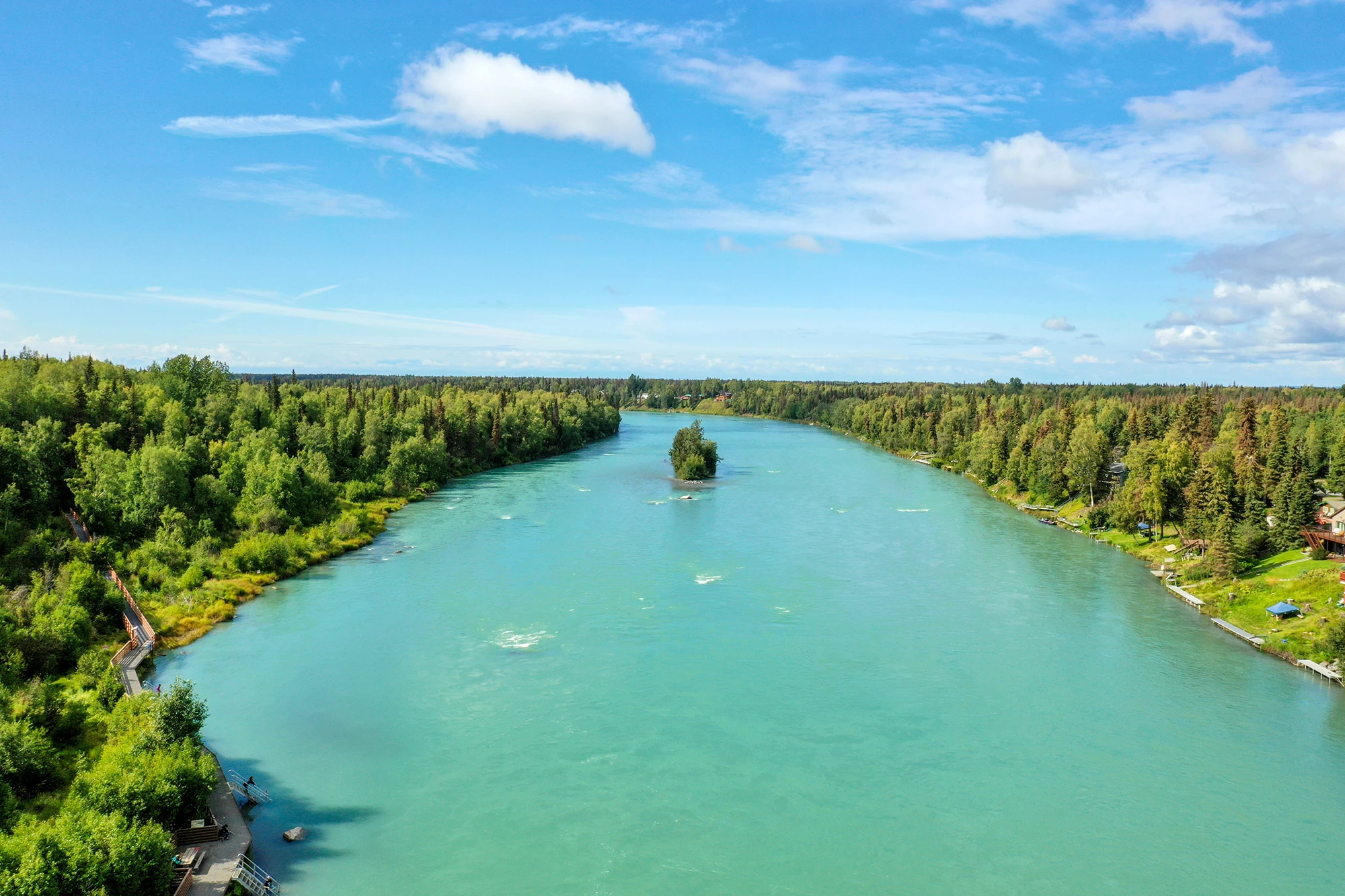
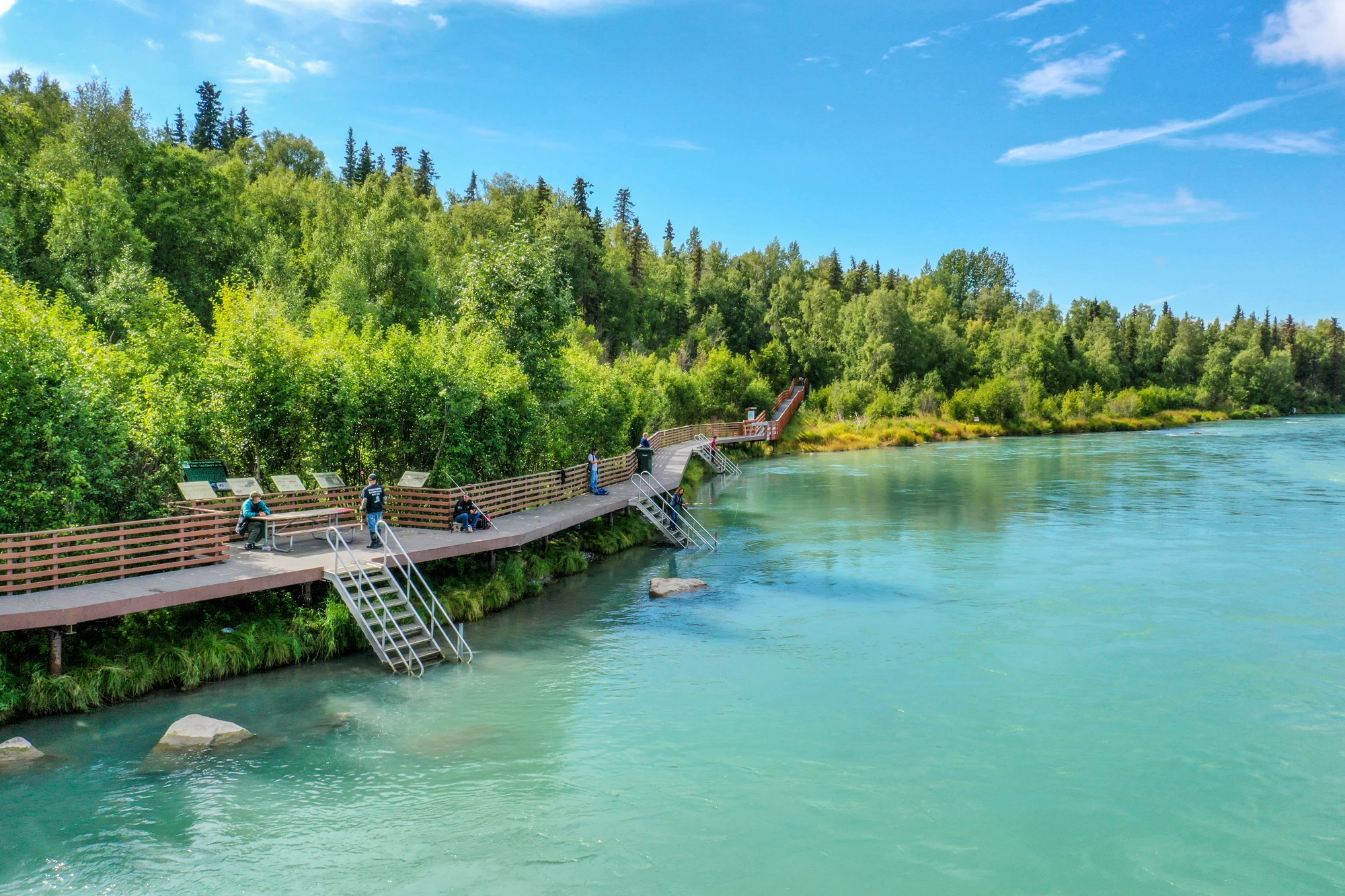
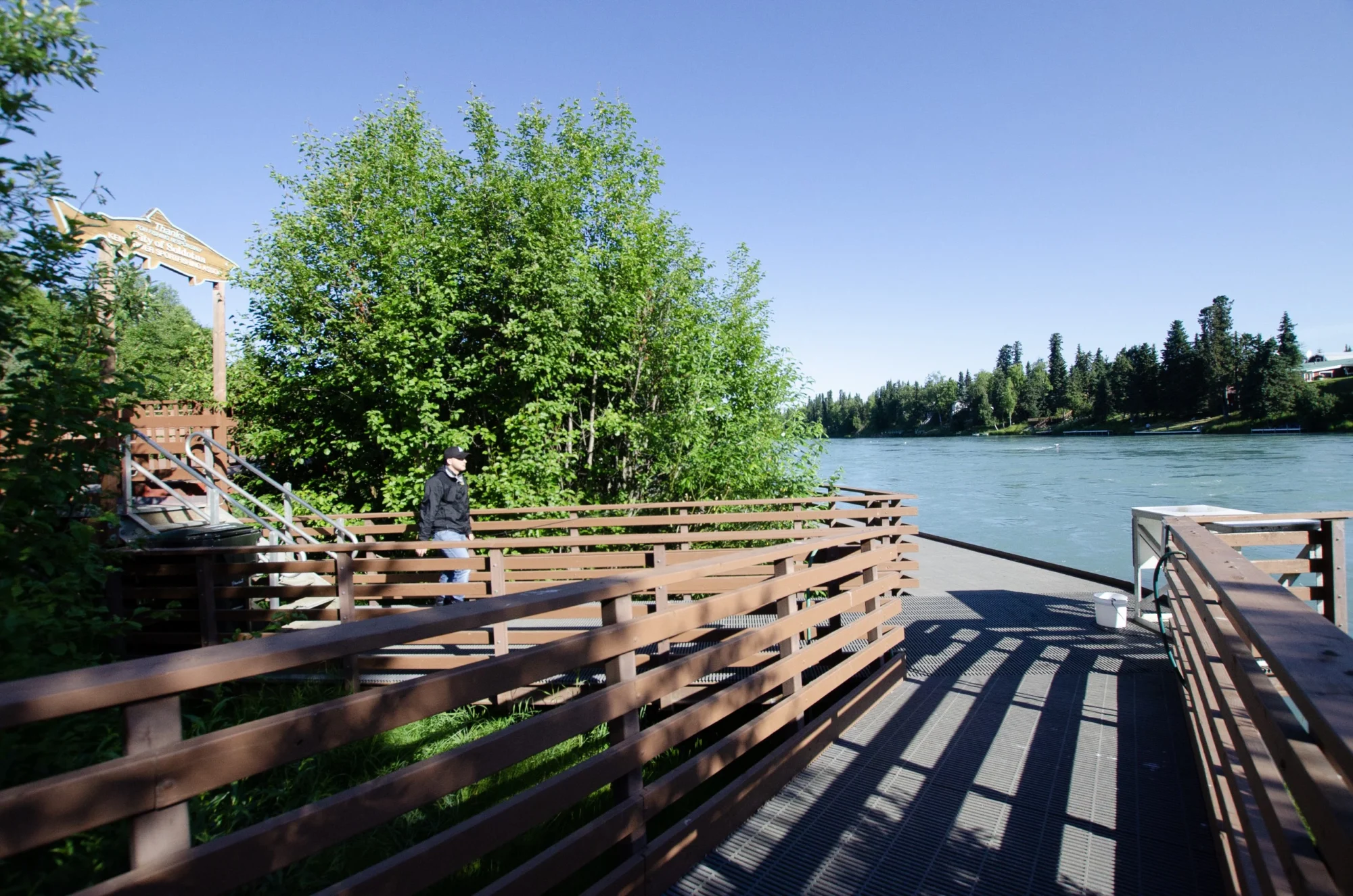
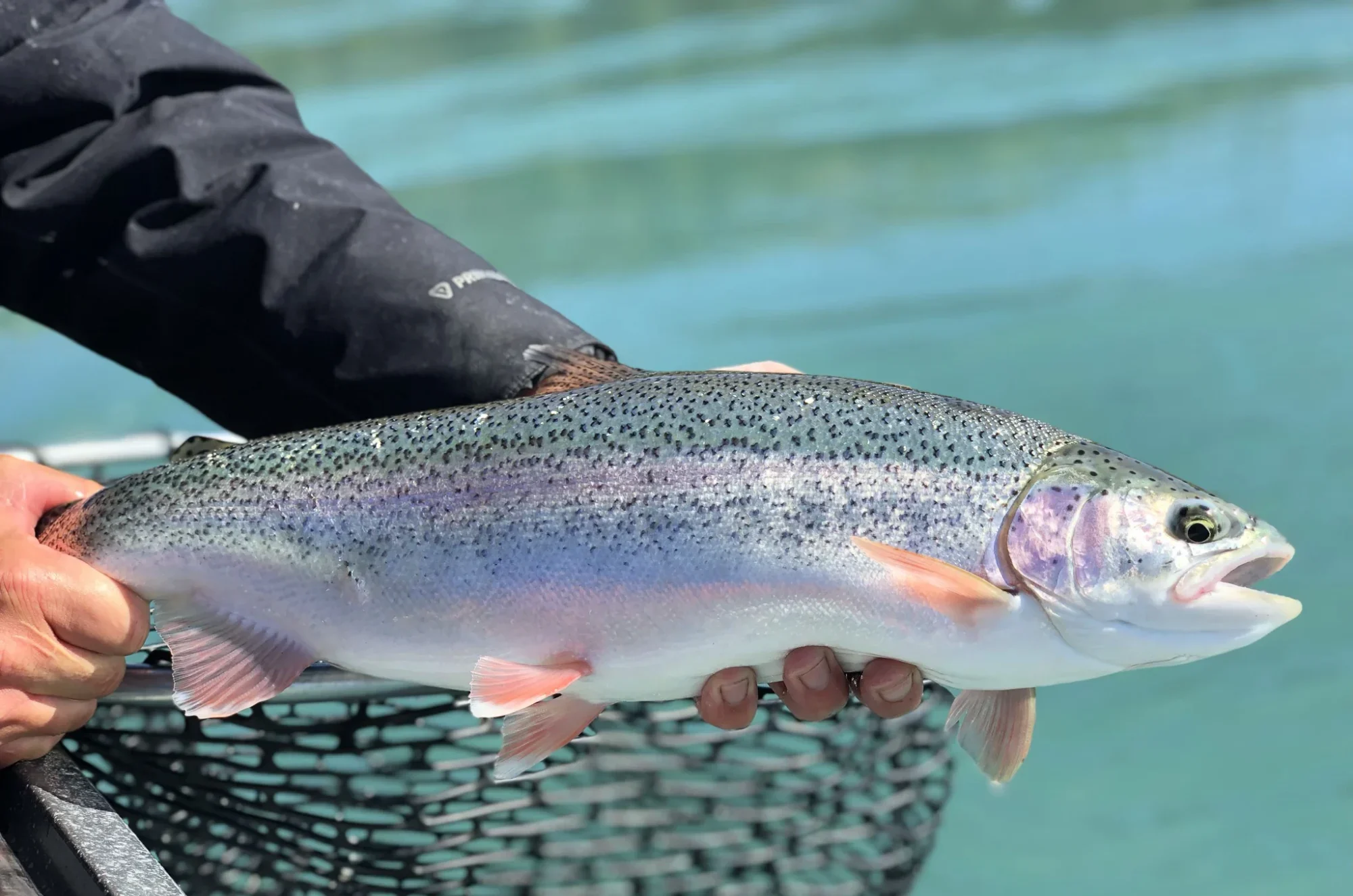
The Kenai River Fishwalk in Soldotna
Habitat Restoration on the Kenai
While fisheries policy often receives the most attention, KRSA’s habitat partnership work has quietly transformed many public access sites along the Kenai River. One of the organization’s earliest projects involved constructing elevated boardwalks designed to protect riverbanks from erosion while maintaining angler access. These projects use light-penetrating materials that allow vegetation to grow beneath walkways, helping stabilize shorelines and preserve salmon habitat.
KRSA’s newest major effort is the Big Eddy State Recreation Site project near Soldotna. Construction is scheduled to begin this year and will include improved river access, stairways, and habitat protections designed to concentrate foot traffic and reduce bank damage. According to Shannon, improving public access while protecting habitat remains a top priority.
Alaska’s Future Anglers
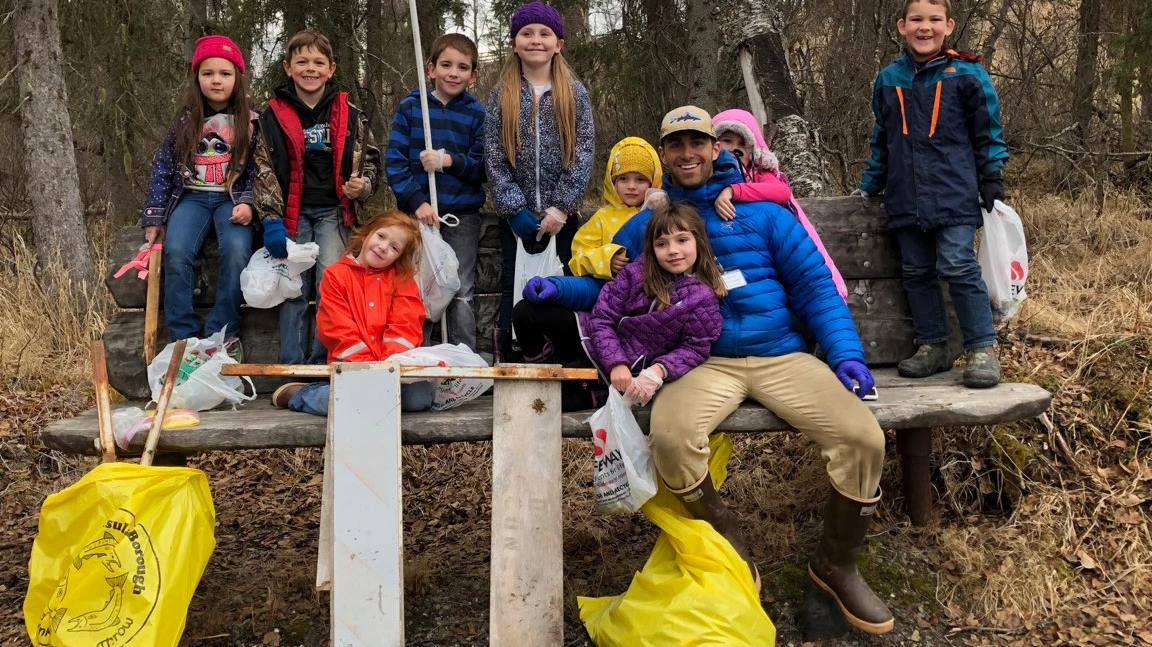
Education is another cornerstone of KRSA’s mission.
The organization hosts numerous youth-focused programs throughout the year, including:
- The Kid’s Kenai River Spring Cleanup
- Trout Pond activities at the Kenai Peninsula Sport Rec & Trade Show
- The Junior Classic youth fishing camp
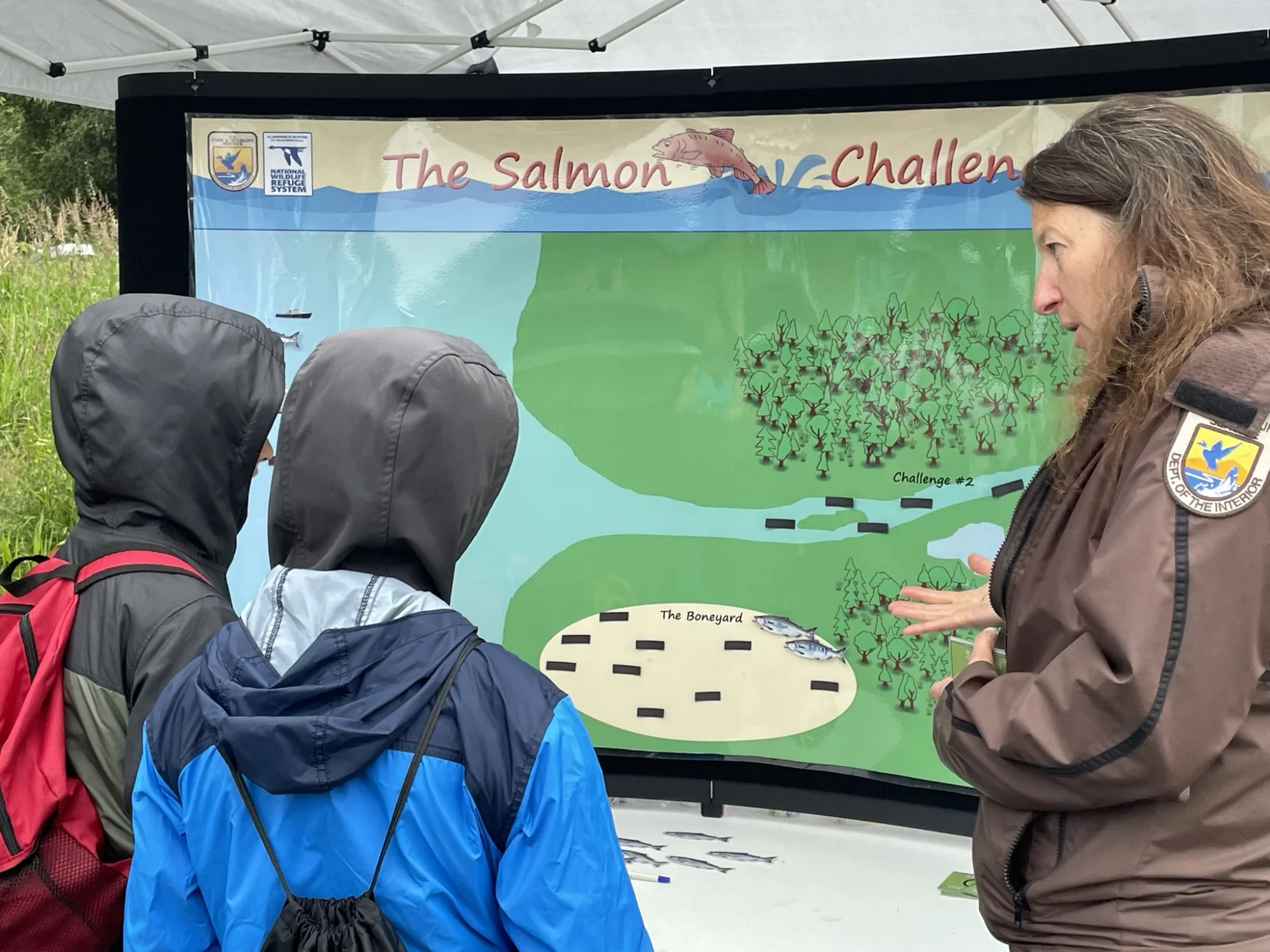
These programs introduce children to fishing, conservation, and habitat stewardship. Since its inception, the Kid’s Kenai River Spring Cleanup alone has helped remove more than 15,000 pounds of trash from the watershed while teaching students about riparian habitat and salmon ecosystems.
Trawl Bycatch and Fisheries Advocacy
The conversation also explored one of Alaska’s most debated fisheries issues—something I care deeply about—the effects of trawl and trawl bycatch. KRSA has taken a public position supporting a ban on trawling in Alaska state waters, citing concerns about bycatch and habitat impacts. Kevin noted that while significant improvements have been made in monitoring and management, the organization believes additional protections are warranted within state-managed waters where we have the ability to make that change. When a past ADF&G Sportfish Director, biologist and management expert with a 50-year career in Alaska fisheries like Kevin emphasizes there are more problems with trawl than just bycatch, it resonates even more.
Hatcheries and Long-Term Sustainability

Another emerging issue is hatchery production. KRSA has advocated for a pause on increasing hatchery egg-take levels until more research can be done on the potential impacts on wild salmon populations, including possible competition in the marine environment. At Fish Alaska, we too think there’s cause for concern, and are thankful for organizations like KRSA who are tracking the issue.
As some fish stocks continue to face challenges, KRSA remains focused on balancing conservation with opportunity. Shannon and Kevin represent KRSA’s ongoing commitment to one core principle: Healthy fish populations are the foundation for every fishery in Alaska. They’ll keep fighting for the fish despite getting a bum rap, and for that we are thankful. Catch this episode of the Fish Alaska Podcast.
Melissa Norris
About the Author Melissa Norris
Melissa Norris is the founder and Publisher of Fish Alaska and Hunt Alaska magazines. She has over two decades of experience fishing all over Alaska, writing about her time in the field, testing gear, planning trips and cooking and harvesting wild Alaska seafood. In addition to writing tons of content for the magazine and our website, Melissa heads our digital platforms and leads the design team.
The post KRSA’s Bum Rap: Conserving Alaska’s Fisheries for Future Generations appeared first on Fish Alaska Magazine.