Northern climate advocates say Prime Minister Mark Carney’s decision to delay Canada’s climate targets ignores the immediate realities facing the N.W.T.
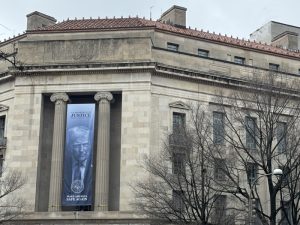
Carney said last week in a video address that his government will prioritize national unity and economic affordability over near-term climate targets.
“We can’t afford to restrain the growth of an important part of our energy mix, oil and gas,” he said, acknowledging that this will lead to an increase in carbon emissions over the next few years.
Dawn Tremblay, executive director with the Yellowknife-based environmental group Ecology North, said that she felt “embarrassed, disheartened and sad” about Carney’s comments, saying he “missed the mark” on an urgent need for climate action.
“I’m sitting here as we host our neighbours evacuated from Fort Simpson, and our neighbours in Fort Smith hosting folks from Wrigley,” she said, referring to the evacuation last week of two N.W.T. communities threatened by wildfire.
“I’m sitting here by a fan, at the tail end of a June heat wave.”
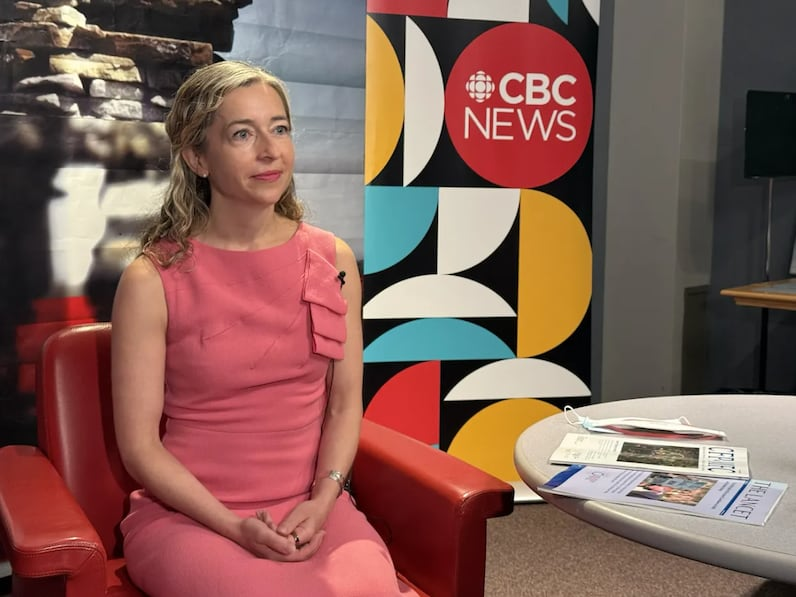
Courtney Howard, a Yellowknife physician and chair of the Global Climate and Health Alliance, says delaying climate commitments further exacerbates climate change-related health risks.
She added that without cutting emissions, adapting public infrastructure and health care systems to new climate realities will be far too costly.
“We simply will not be able to spend enough money to compensate for all of the people who are going to have to evacuate due to wildfires,” she said. “All of the floods that are going to take out the highways that people need to be able to cross in order to seek care.”
In a 2025 report, the World Health Organization noted “profound physical, financial, and technological limits to adaptation,” and said health systems will suffer “in a world of unchecked warming.”
Original targets were ‘ambitious,’ says former chief
Steven Nitah, the executive vice president at Nature for Justice, a global non-profit social justice and environmental organization, said former prime minister Justin Trudeau’s 2030 emission reducation targets were always “ambitious”.
Nitah, former chief of the Łutsël K’é Dene First Nation in the N.W.T., added that he was not surprised by Carney’s comments last week.
“We are a resource-based, resource extraction, exportation type of economy, and the world does need our resources,” Nitah said.
Nitah acknowledged that many Indigenous communities do not want to grow the fossil fuel industry, but said Carney’s focus on the industry’s expansion could benefit Indigenous businesses that have historically been left out of energy conversation efforts.
He also said that the long-term success of fossil fuel investments remains uncertain, especially with continued advancements in renewable energy.
“Sure, we could say we’ll build a pipeline, then we’ll move bitumen to the coast,” he said, referring to the proposed West Coast oil pipeline project. “It’s going to take five years. In five years’ time, is there going to be a market for [it]?”
Nitah says if Canada wants to be an energy superpower, it must also work toward becoming a global power in nature conservation.
In 2022, Canada committed to protecting 30 per cent of its lands and waters by 2030.
“Those areas can be a huge sequester of carbon from that, from the atmosphere and push back against the destruction of biodiversity,” Nitah said, adding that Indigenous communities in Canada have been leading many conservation efforts.