A Quebec court order requiring Élections Québec to prepare English-language election reminder cards in addition to French doesn’t fix the language barriers for Inuit in Nunavik for the Oct. 5 provincial election, a prominent Inuit leader said.
A 2022 law passed in the majority French-speaking province of Quebec generally requires government bodies to communicate in French, subject to limited exceptions.
The Canadian Press reported this week that Élections Québec had approached the Quebec government to discuss changes so that the agency could keep sending out election information in English, in addition to French, but that request was refused.
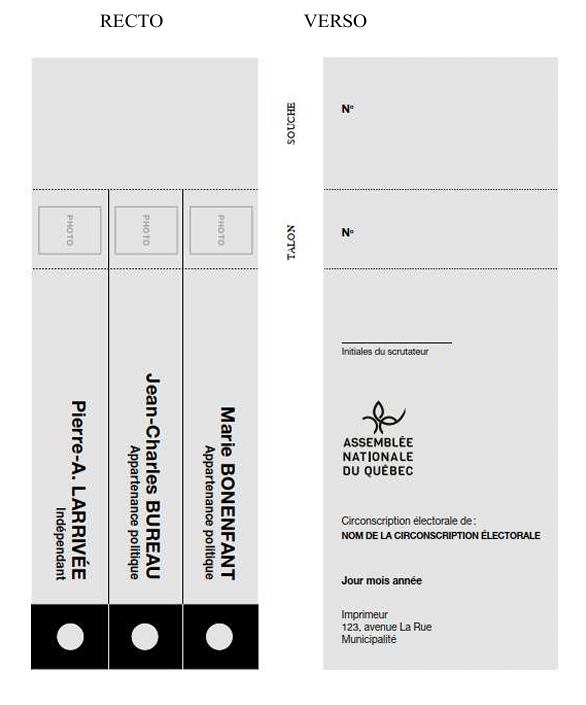
Geoffrey Chambers, a former president of the Quebec Community Groups Network, an organization that now goes by TALQ, challenged the French-only election materials. On Sept. 16, a Quebec Superior Court judge ruled that Élections Québec must prepare English as well as French cards, saying informing English-speaking voters in English would not challenge the status of French.
‘It’s still going to be a problem’
William Tagoona, president of the Avataq Cultural Institute, a body that works to protect and promote Inuit language and culture in the province, said he’s been watching the developments closely, but that the ruling comes late and doesn’t address longtime accessibility issues for Inuit in Quebec.
“It’s still going to be a problem,” Tagoona said in an interview. “Until such a time that Quebec starts to include the Inuit, the first peoples of this country, into their elections very seriously, we will always have a problem of voting blindly.”

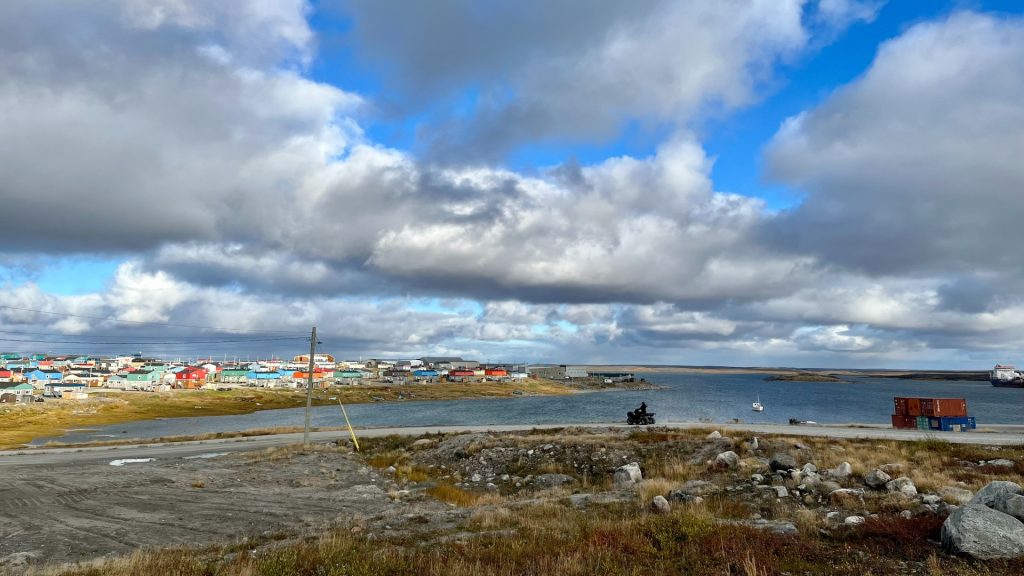
Nunavik is the Inuit region of northern Quebec. Its approximately 14,000 residents are spread across 14 communities, most of which are only reachable by plane from southern Quebec. Most residents are Inuit with Inuktitut the main language used, followed by English, and with relatively few French speakers.
Some Inuit, especially elders, are unilingual.
Information in Inuktitut, other Indigenous languages, to be distributed
Contacted Friday, Élections Québec spokesperson Julie St-Arnaud-Drolet said the agency was taking additional measures to reach Inuit and other Indigenous voters in their own languages.
“For the very first time this year, we’ve put in place an additional information document for voters in Inuit, Cree and Naskapi communities: they’ll receive an additional information document in their local language, in French, and in English,” she said in response to emailed questions.
St-Arnaud-Drolet said the additional document will be delivered to residents’ post office boxes, an important detail in the North, where residents’ home addresses on file with Élections Québec often differ from their mailing addresses.
“This initiative aims to overcome the language barrier, as well as the difficulties in delivering information documents sent by Élections Québec,” she said.
Information in Inuktitut has also been added to the Élections Québec website along with other Indigenous languages.
Voting messages will also be broadcast on local radio stations and online, she added.
‘Wider lack of political engagement with Nunavik’
In the last provincial election in 2022, voter turnout province-wide was 66 per cent, while in the Ungava riding, which contains Nunavik, turnout was only 30.3 per cent.
Tagoona said the language dispute reflects a wider lack of political engagement with Nunavik. He said election signs and campaign materials are largely absent from the region and candidates rarely visit its communities.
“I just came back from Montreal last week and every street, every corner, every highway, there’s all these signs of people that are running, and what the parties want to represent,” he said. “But you won’t see one sign up here [in Nunavik] to indicate there’s even an election in the province.
“If you don’t see any of the candidates and none of the written material is in the language of the region, our vote doesn’t really seem to count.”
Quebec’s Secretariat for Relations with First Nations and Inuit did not respond to a request for comment.
Comments, tips or story ideas? Contact Eilís at eilis.quinn(at)cbc.ca
Related stories from around the North:
Canada: Elections Canada says protocol wasn’t followed in Nunavik during federal election, The Canadian Press
Finland: Sámi Parliament warns Lapland service cuts would hit Sámi communities hard, Eye on the Arctic