South Korean shipbuilder HD Hyundai Heavy Industries expects demand for icebreakers and other polar vessels to grow as governments expand their Arctic fleets and Seoul explores greater use of northern shipping routes.
The company says South Korean shipyards could help meet that demand and is eyeing opportunities in countries including Canada.
“Given the current surge in demand for new icebreakers across North America and Europe, it is difficult for any single nation or shipyard to respond swiftly to all of it,” Woo Kwonsik, executive vice president and head of the Naval & Special Ship Sales department, said in written response to questions.
HD Hyundai Heavy Industries is already making inroads into the market. Earlier this year, it won a contract to build a new icebreaker for Sweden, beating competitors from Finland and Norway. The vessel will be built in South Korea using a design developed by Sweden and Finland.
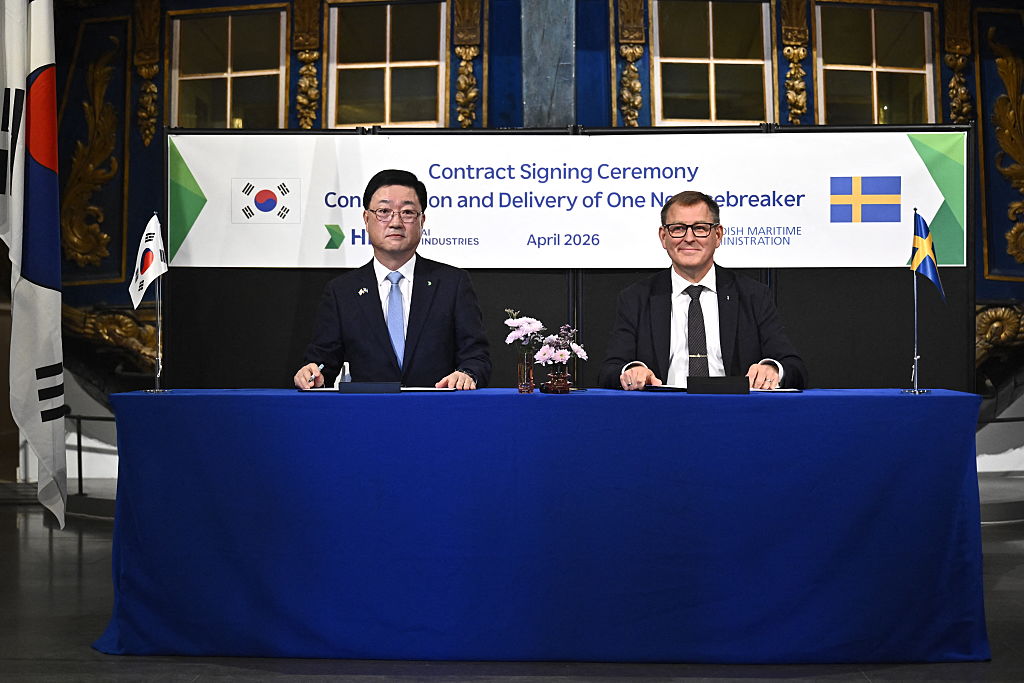
Woo said the project shows how South Korea’s large-scale shipbuilding industry could work alongside countries with longer histories of designing and operating icebreakers. The complexity of modern icebreakers—and the advanced systems and automation they require—means completing them on time and on budget is becoming just as important as the technology needed to break through ice, he added.
“Rather than viewing this project simply as a Korean shipyard competing against traditional Nordic shipyards to win a contract, I believe it serves as an example of how Nordic polar technology can be effectively combined with South Korea’s large-scale production and construction capabilities,” Woo said.
Canada among potential markets
Canada has been investing in bolstering its icebreaker fleet, and working with the United States and Finland in the ICE Pact, an initiative aimed at strengthening icebreaker construction and supply chains.
Woo said HD Hyundai couldn’t disclose any specific projects in Canada at this point, but sees opportunities to work with Canadian and other North American and European shipbuilders as countries expand their fleets.
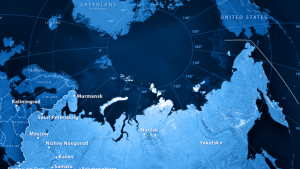
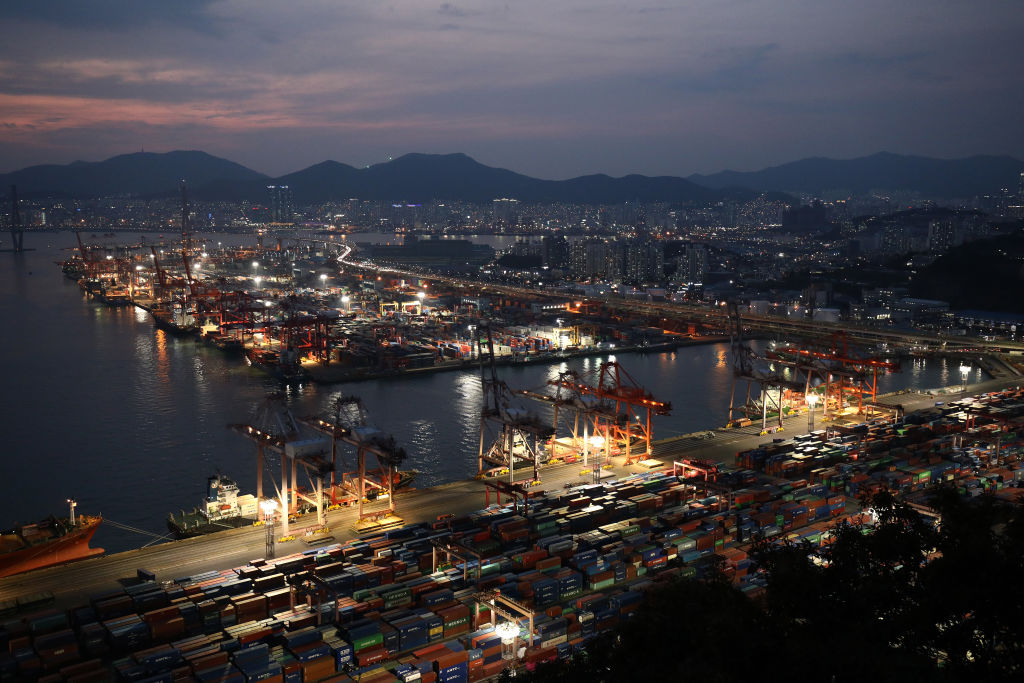
South Korea’s growing interest in Arctic shipping could create further demand, he said, pointing to recent trial voyages along Russia’s Northern Sea Route and Seoul’s move of the Ministry of Oceans and Fisheries department to the port city of Busan.
“Given these developments, we anticipate potential new demand for icebreakers and polar-class vessels in Korea in the future,” Woo said.
“Once these projects take concrete shape, it could create excellent opportunities for collaboration—pairing South Korea’s advanced shipbuilding capacity with the proven polar technologies and experience of leading Canadian and Finnish enterprises.”
South Korea expands Arctic ambitions
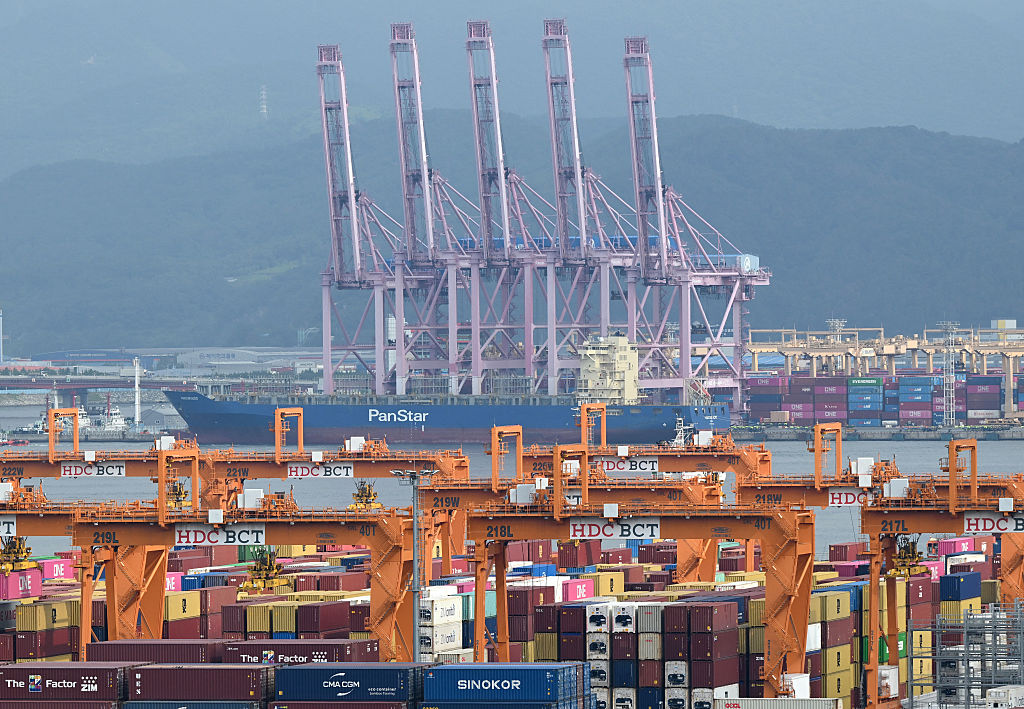
This year, the Panstar Acro, a container ship operated by South Korea’s PanStar Line, completed a government-backed trial voyage through Russia’s Northern Sea Route to test the commercial potential of the Arctic waterway.
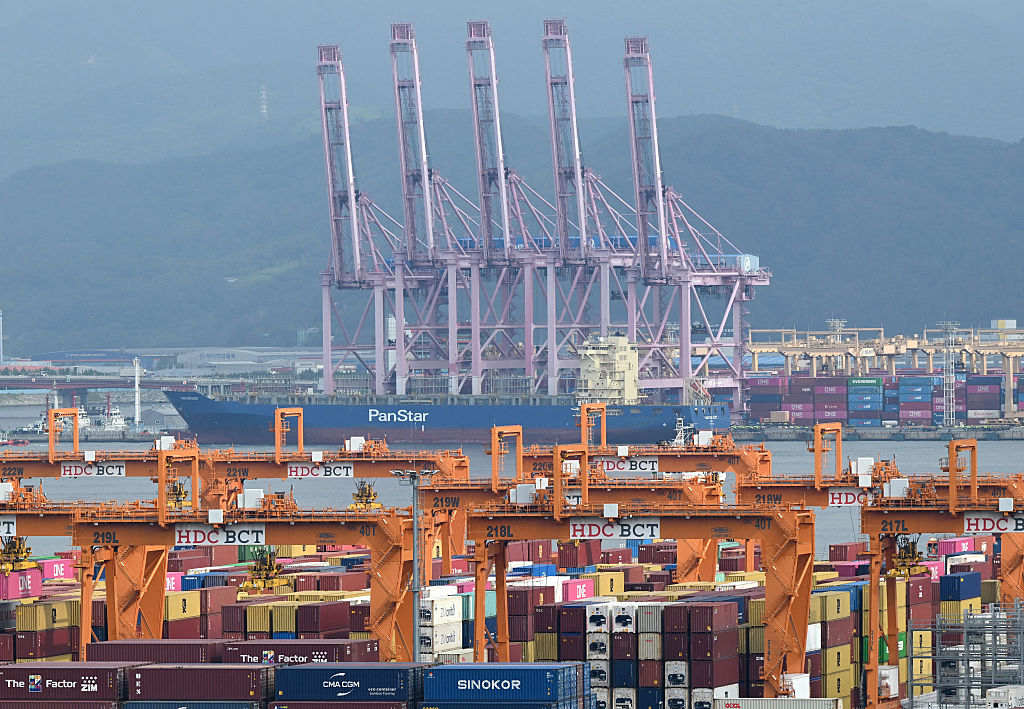
Marc Lanteigne, a Canadian political scientist at UiT The Arctic University of Norway, said South Korea is seeking a stronger economic presence in the region as other Asian countries examine opportunities in northern shipping.
“With China and Japan, and to a degree India, starting to look very carefully at Arctic shipping, Korea really wants to make sure it’s not left behind,” he said.
Related stories from around the North:
Canada: Nuuk, Nunavut port proponents sign agreement on Arctic shipping cooperation, Eye on the Arctic
Norway: Resource extraction projects, dwindling sea ice, power Arctic shipping surge, Eye on the Arctic
Russia: Northern Sea Route cargo traffic to rise 14 per cent as Chinese shipping expands, says Rosatom, Eye on the Arctic
United States: Alaska port gets 1st funds from Yukon mine to study options for shipping critical minerals, CBC News