This year, Gov. Mike Dunleavy vetoed a bipartisan bill that would have eliminated the use of polystyrene, best known as Styrofoam, in Alaska. We are interns at Alaska Community Action on Toxics, a nonprofit focused on the impacts of toxic chemicals and plastics on people’s health, the environment and Indigenous ways of life. We are still fighting to end the use of polystyrene — and we are tired of empty promises from politicians like Dunleavy.
We represent young women, scientists and Native peoples. Our voices are often left out of the conversation, yet we have the most at stake. Repeatedly, older generations tell us: “Sorry for the mess we’ve left you.” However, change can only be accomplished through collective and intergenerational action, and we need all ages to help now.
ACAT’s Environmental Health and Justice Program Director Vi Waghiyi from Savoonga always says: “These are burdens we did not create.” Yet they will greatly interfere with our traditions, identities and abilities to live healthy lives. Our Executive Director, Pamela Miller, also published an op-ed in the Anchorage Daily News about how senseless Dunleavy’s veto of House Bill 25 was.
Now, Alaska is falling behind other states: twelve states already passed statewide legislation to eliminate polystyrene. California, Oregon, Washington and Colorado have banned polystyrene packing peanuts, coolers and other food service products. More than 250 U.S. cities and counties already banned or placed restrictions on polystyrene. Even McDonald’s eliminated its polystyrene packaging in 1990.
Rep. Andy Josephson, D-Anchorage and a supporter of the vetoed bill, emphasized the popularity of such measures on the House floor: “Three-quarters of Americans are concerned about plastic foam litter. Over 70% of Americans would support a national ban on foam food ware.” Several local Alaskan businesses submitted letters of support throughout the session, and the bill had bipartisan support, but this support seems to be futile.
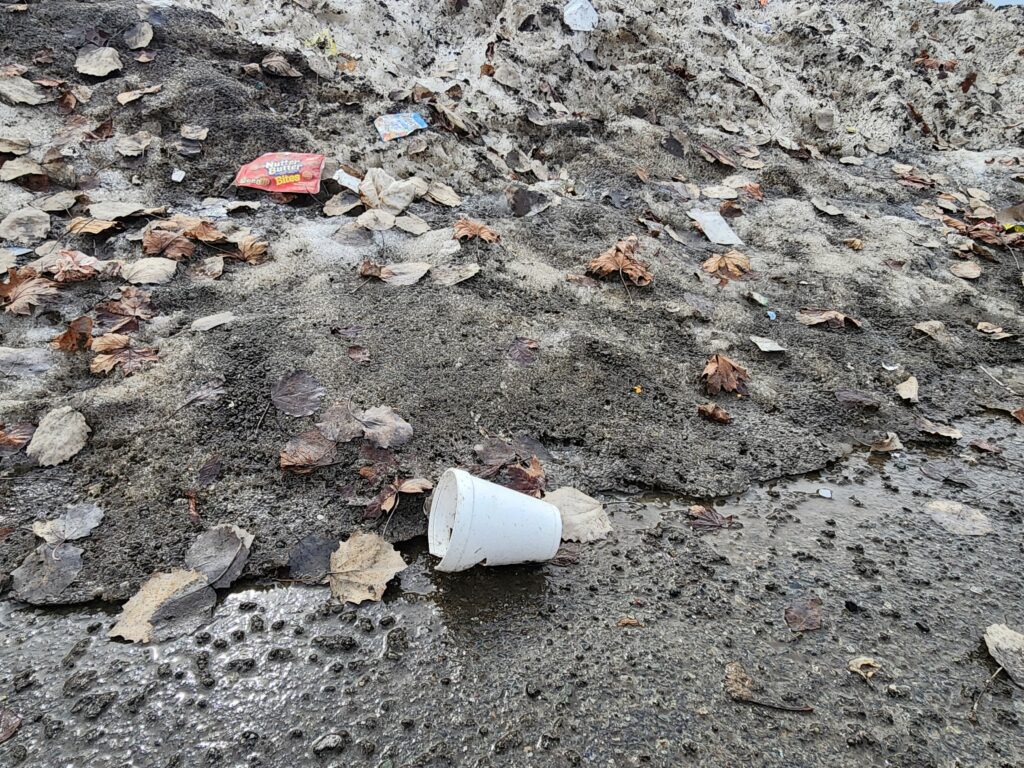
Polystyrene contains the chemical styrene, a probable human carcinogen. Styrene has been linked to impaired nervous system function, increased risk of leukemia and lymphoma cancers, vision and hearing loss, and poor memory and concentration. Chemicals from polystyrene can leach into food and beverages, especially when heated. For example, the heat and acidity in hot coffee trigger chemical leaching from polystyrene cups, then these chemicals are absorbed by the fat in milk or cream, which is easily ingested by humans. Multiple studies in the 1980s found styrene in 100% of the human fat tissues they sampled, and polystyrene production and use has only increased since then. Many Alaskans have likely already experienced health harms from this ubiquitous leaching.
Alaskans rely on land and water for livelihood, nourishment and culture. Nationally, roughly 63% of the commercial seafood harvest is from Alaska. But in the ocean, polystyrene breaks down into microplastics from exposure to sunlight, waves and wind. Studies have detected high levels of microplastics in Alaskan waters, harming wildlife, contaminating ecosystems and threatening the population viability of commercial and subsistence fish. Wildlife often mistake floating foam debris for prey, then eat polystyrene or feed it to their young. This fills their bellies with plastic, causing lack of hunger, starvation and permanent injury.
Further, polystyrene is effectively not biodegradable: it takes hundreds of years to decompose, if it decomposes at all. High wind and wave action breaks foam blocks into tiny beads that are practically impossible to clean up. This foam travels through waterways, causing harm all over the globe. Over 10 years ago, polystyrene and related materials were found in 23 of 28 beaches sampled throughout the Gulf of Alaska; notably, no beaches were free from debris.
Alternatives to polystyrene include reusable serviceware, recyclable packaging and compostable products. Materials such as paper, cardboard and plant-based plastics are now common substitutes, and these options are more sustainable for food service providers and consumers alike. Some businesses are voluntarily opting out of polystyrene: Green Alaska Solutions provides plant-based, compostable alternatives for restaurants, businesses and events statewide, including rural villages. Their business partners highlight higher customer satisfaction and loyalty, with up to 15% increases in repeat customers after switching to compostable packaging.
ACAT and its partners will continue to work with policymakers on legislation to eliminate polystyrene in food packaging. Local businesses in Alaska would save money and avoid penalty fees by acting now to adopt alternatives in anticipation of a state or federal ban. The municipalities of Bethel, Cordova and Seward have already successfully enacted bans on polystyrene food containers.
To avoid polystyrene in your daily life:
- Bring an insulated metal mug for coffee instead of drinking from a hot foam cup — disposable lids are often also made of expanded polystyrene or other plastic.
- Bring a metal container to pack hot food leftovers into instead of polystyrene food containers from restaurants.
- Use shredded paper, perforated cardboard, or newspaper to pack items for shipping or moving instead of foam packing peanuts.
- When renovating or building a structure, choose a non-toxic insulation that does not contain polystyrene.
Our faith in public institutions depends on what those institutions do.
As we watched this carefully considered, bipartisan bill get dismissed without any convincing public justification, we took away a discouraging message. Years of testimony, scientific evidence and legislative work can be set carelessly aside, even when the proposed solution is reasonable and beneficial.
We do not want cynicism to be the lesson we take from this experience. We remember fishing, swimming and enjoying clear rivers and oceans free from plastic and pollution. We will continue to fight for these reforms so that our children will too.