
By Yumna Iftikhar
For some local advocates, the federal auditor general’s bleak assessment of the N.W.T.’s child and family services system comes as no surprise.
“It reflects what our communities have been experiencing for years,” said Rita Arey, a former social worker from Aklavik. “It’s frustrating. It’s heartbreaking, because our children deserve better.”
On Thursday, the Office of the Auditor General of Canada released a 30-page report detailing critical failures within the N.W.T.’s child and family services system. The report highlighted delayed responses to suspected abuse and neglect, a systematic failure to provide culturally safe services and critical staffing shortages.
The auditor general’s office previously reviewed the territory’s child and family services in 2014 and 2018. It found many of the same issues plagued the system then.
More Indigenous social workers needed
In smaller, more isolated communities where fewer services are available to at-risk families, the problems in the system become even more severe, Arey says.
She added that a shortage of Indigenous social workers in the territory often results in a “disconnection between workers and the communities they serve.”
Language barriers and the lack of cultural understanding can also erode a family’s trust in their assigned social worker, she said.
The report noted that while 98 per cent of the children receiving services in the N.W.T identify as Indigenous, only 19 per cent of the front line staff — including social workers and supervisors —identify as Indigenous.
In an interview with CBC’s The Trailbreaker, former MLA and territorial health minister Julie Green said the staffing issue stood out to her in the report.
“I don’t see anything specific in the recommendations — or more specifically the responses to the recommendations — that are going to fix that,” she said.
“I think that that really speaks to the difficulty of being a child protection worker,” she said. “It’s a hard job. It’s emotionally grueling, but it’s also a job where the demands are huge.”
Arey suggests establishing community advisory committees made up of retired Indigenous social workers and foster parents.
“It could play a major role in child welfare, if they utilize the expertise in each of the communities to help support the child welfare programs,” Arey said.
She added that social workers also need to be trained locally.
“Maybe have a social work training program in one of the communities within each of the regions, and train the workers right there,” she said.

More early intervention
Lydia Bardak, a community advocate and former director of Yellowknife’s John Howard Society, said she shares the frustration voiced by many other readers of the report.
Bardak said the territorial government needs to invest heavily in early intervention programs for at-risk families, rather than waiting to take the children.
“Anything we can do to keep a family together and in good health […] is the most important,” she said.
According to the auditor general’s report, of the roughly 10,000 children under 17 years of age in the territory, 1,200 received prevention or protection services.
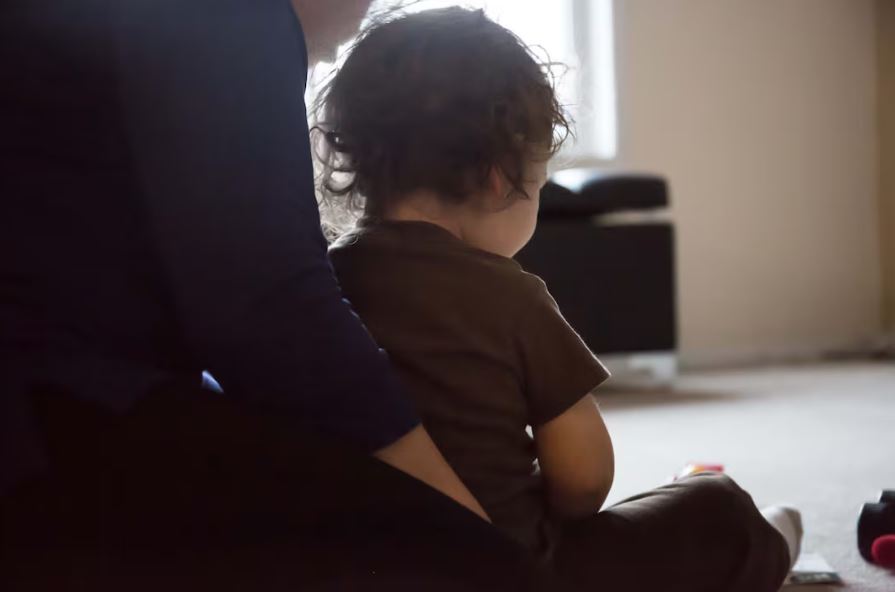
She recalled meeting a young mother of a one-year-old who was relieved that her child had not been taken by family services, unlike her own experiences going in and out of foster care.
“Soon after that, she lost custody of her child,” Bardak said.
Arey agreed that prevention and intervention are key to ensuring fewer children end up in the system.
She said she wants all levels of government to collaborate on community-based programs so vulnerable families can get help at home.
“We need people that understand them, their families and their culture, and change can’t wait,” Arey said. “Our children deserve a system that truly works for them.
“We know all the problems…. Let’s start, you know, moving forward and finding solutions.”
Related stories from around the North:
Canada: Ottawa Inuit org signs agreement to help families involved with child protective services, Eye on the Arctic
United States: Alaska and its tribes sign child services agreement, Alaska Public Media
Norway: Establishment of Álgu Fund marks new beginning in Arctic Council, indigenous peoples say, The Independent Barents Observer
Russia: More protected lands on Nenets tundra in Arctic Russia, The Independent Barents Observer
Sweden: Treatment of Sami people among Swedish shortcomings : Amnesty International report, Radio Sweden