Alaska and fisheries are intrinsically linked, both economically and culturally. Alaska’s fisheries provide for communities and rural economies across the state—and they will do so sustainably, year after year, provided we take care of the ocean and rivers that support them.
That is why Alaska should be excluded from the federal government’s latest plan for offshore drilling, called the National Outer Continental Shelf Oil and Gas Leasing Program, or Five-Year Plan. It would open almost all of Alaska’s coasts to drilling and the oil spills that inevitably follow.
The National Marine Fisheries Service estimates that Alaska’s abundant waters produce more than half the fish caught off the U.S. coasts, with an average wholesale value of almost $4.5 billion a year. Indigenous communities depend on these fish stocks for subsistence, cultural practices and livelihoods. Commercial fisheries are the largest private sector employer in the state.
Early in his term, President Trump signed Executive Order 14276 titled “Restoring American Seafood Competitiveness.” It was aimed at reducing regulations that seemed overly burdensome and “modernizing” the U.S. fishing industry to increase competitiveness in world markets. To assist with this mission, an Office of Seafood was created at the U.S. Department of Agriculture and government programs currently available to farmers and ranchers are being expanded to include fishermen. In direct contradiction to that goal, our nation’s fishing grounds are now under threat from offshore oil and gas development, with Alaska squarely in the crosshairs.
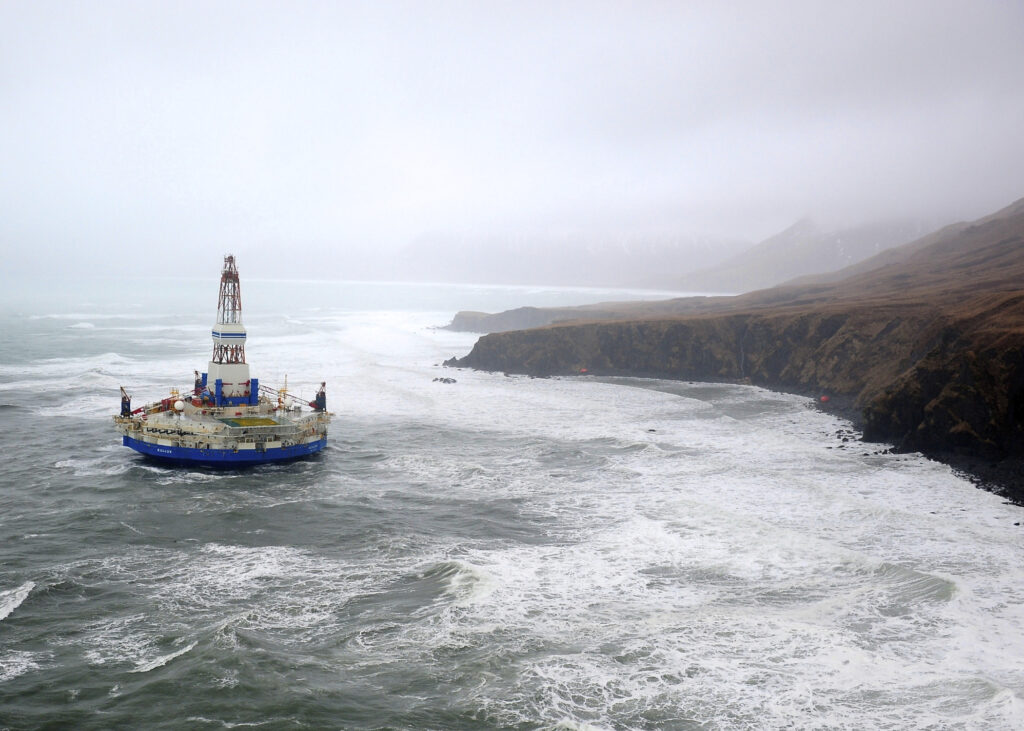
The most recent part of the Five-Year Plan, the Draft Proposed Program, included almost all the Alaska coast, including the Arctic. This would offer important fishing grounds to the oil and gas industry for possible development, along with the already highly vulnerable marine ecosystems of the Beaufort and Chukchi Sea.
Alaskans know firsthand how damaging oil spills in our waters can be. The Exxon Valdez spill in 1989 released 11 billion gallons of oil, killing billions of salmon and herring eggs, leading to the collapse of the herring fishery in 1993 and the loss of more than $166 million in income over the 20 years after the spill. Given the value of Alaska’s fisheries, the lack of in-state infrastructure to contain a spill and the wildness of Alaska’s weather, outer continental oil development is simply not worth the risk.
The prospect of offshore drilling is also unpopular in Alaska. In every comment period of this process, Native communities and state representatives have opposed the oil industry drilling in our waters. Both Alaska senators issued a statement against drilling outside of Cook Inlet.
Alaska’s waters support the most thriving fisheries in the country, and they provide the highest quality seafood on the global market. Expanding drilling into the turbulent waters off Alaska creates an untenable risk. The next phase of the offshore drilling plan is expected soon, but there is still time for the Trump Administration to protect Alaska and remove our coasts from consideration before it’s too late.