Here in Alaska, if you need something done, you do it yourself. That’s why the right to repair is so important. If a plow breaks down in the snow, the nearest garage could be hundreds of miles up an ice road. If a truck engine dies, remote roads and blinding weather mean it’s not always as simple as waiting for AAA. Alaskans are the ultimate DIYers—we have to be. That’s why it annoys us that we don’t have the right to repair our own vehicles, and are forced instead to take them to a licensed dealership. The same goes for our farmers, who are likewise prohibited from making basic fixes to their own equipment.
Thankfully, a recent deal between the federal government just guaranteed farmers the right to repair many of their tractors and loaders. This is great news—and it should serve as a model for the rest of our state.
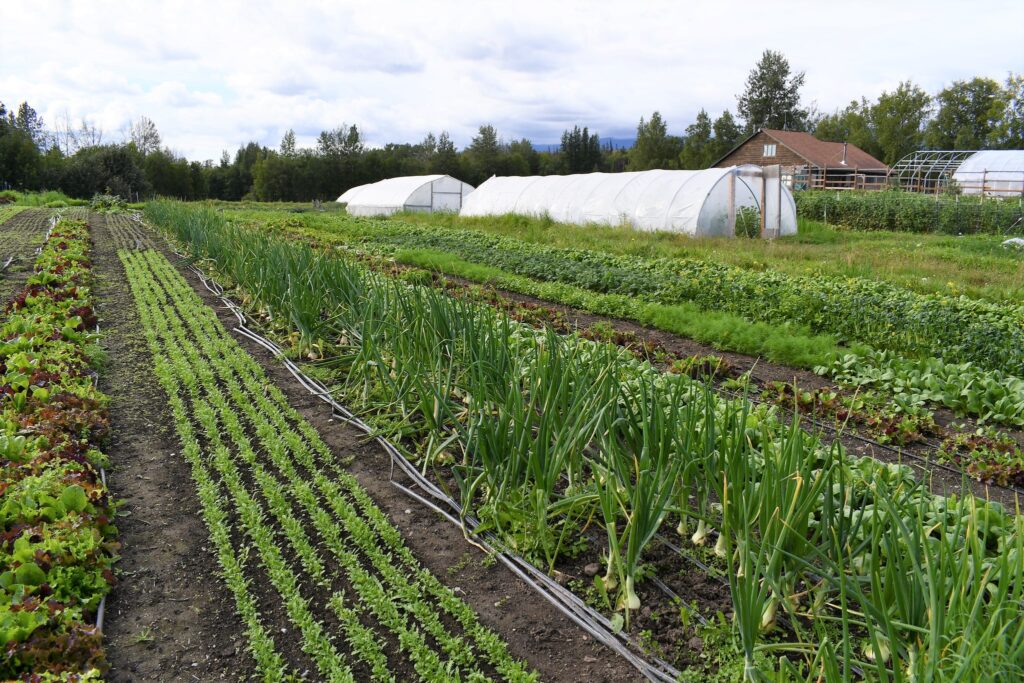
Alaska doesn’t exactly lend itself to farming, but we still have hundreds of farms spanning hundreds of thousands of acres. These farms produce potatoes and greenhouse crops along with specialty meats like yak and reindeer. It’s a tough life, but it has upsides too—like 20-plus hours of summertime sunshine, which accelerates photosynthesis and helps crops grow more quickly.
Alaska farmers are a hardy and resourceful bunch who work in some of the most extraordinary conditions on earth. Their produce helps ease our state’s high cost of food, most of which is imported from far away. Yet when it comes to repairing their own equipment, they face the same problem as everyone else. They have to rely on a licensed dealer rather than doing the job themselves or calling an independent shop that might be closer.
In a state where winter can arrive in September, that’s just not good enough. Our farmers need the freedom to handle their repairs quickly. They can’t always wait days or even weeks until a licensed technician can make the trek. Those dealership repairs can cost hundreds and even thousands of dollars. This is at a time when fertilizer and diesel prices are soaring—more in Alaska than most places—to say nothing of the cost of groceries and other basic goods. That’s why the right-to-repair deal is such good news.
Going forward, farmers will be able to fix a busted vehicle on their own time. They’ll have access to the same software and diagnostic tools as a licensed repair facility. Or they can take their equipment to a dealership or independent shop for more complex fixes. Either way, the choice is theirs. No more waiting for dealership availability as the days get shorter. No more long planting delays because your tractor won’t start after a frigid night.
The FTC’s right-to-repair deal was approved just after the Fourth of July—makes sense!—but it’s been a long time coming. In 2023, John Deere signed an agreement with the American Farm Bureau Federation that allowed for more DIY fixes on its machines. John Deere, of course, is not the only farm equipment manufacturer out there. Other companies should now work with the FTC to advance the right to repair, making sure diagnostic tools, software, and manuals are available for their tractors and combines.
And let’s expand the right-to-repair principle across other industries. For example, in May, the state senate passed a bill that would allow Alaskans to repair their consumer electronics, only for the legislation to get snarled in the House.
Right-to-repair bills are popular, but they never seem to make it through Juneau or Washington. It’s time to change that. Alaskans deserve the right to repair their own trucks, TVs, tractors—you name it. John Deere and the Trump administration have shown us the way. Let’s free Alaskans from red tape and make sure we, of all people, have the right to repair.
Sharon Jackson is a U.S. Army veteran and former Alaska State Representative.