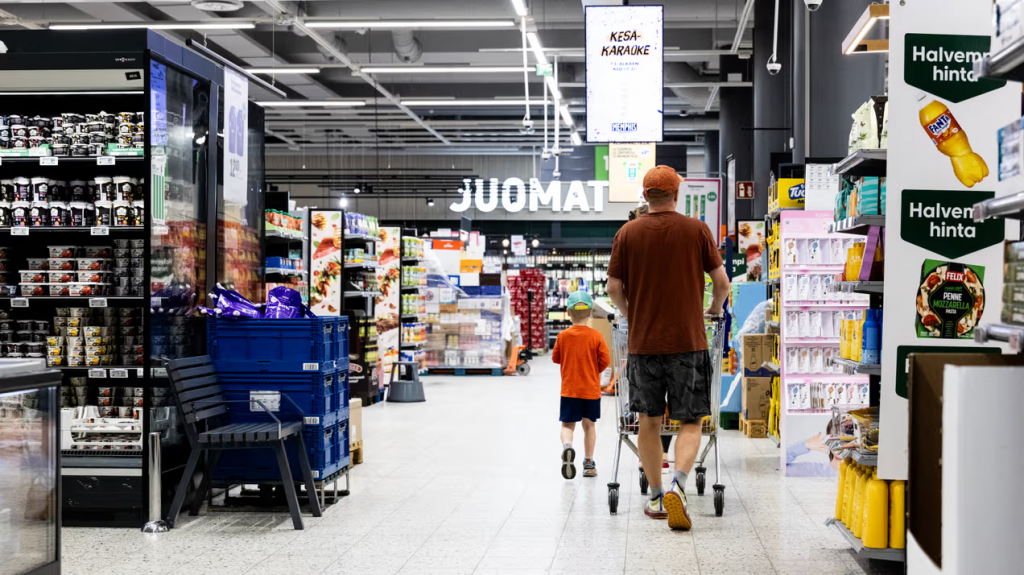
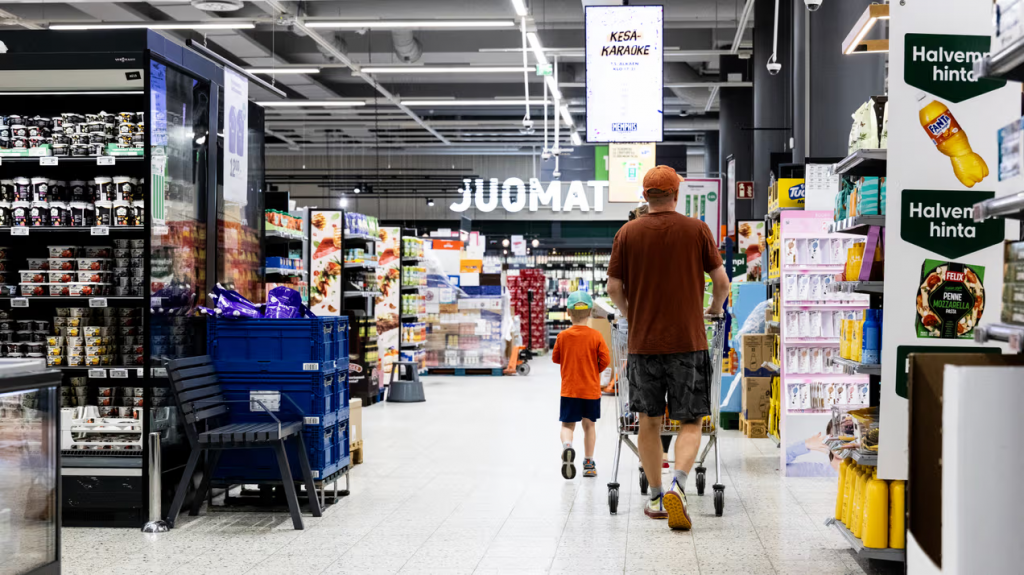
New figures suggest where you live plays a major role in how optimistic you feel about Finland’s economy.
Consumer confidence varies sharply across Finland, with people in the Helsinki metropolitan area feeling far more optimistic about the economy than those living in the east and north, according to new figures from Statistics Finland.
Confidence was strongest in the capital region, where the consumer confidence indicator stood at -1.2. It was weakest in Northern Finland at -10.6, followed closely by Eastern Finland at -10.1.
According to Mika Maliranta, CEO at the Labour Institute for Economic Research (Labore), one major reason is Russia’s war in Ukraine.
“One obvious explanation is the war of aggression launched by Putin, the economic effects of which have hit Eastern Finland harder,” Maliranta told Yle.
He added that long-term structural changes in Finland’s economy are also contributing to the regional divide.
“The forest and heavy industries have been on a weaker path since the 2010s, while new business activity—particularly in private services—has increasingly been concentrated in the Helsinki metropolitan area and western Finland,” he said.
The figures are based on Statistics Finland’s monthly consumer confidence survey, which measures households’ views of their own finances, Finland’s economy and plans for major purchases. The long-term average for the indicator is -2.9, and it has not been in positive territory since 2022.
Students and unemployed among the least optimistic
The survey also found large differences between population groups.
Senior salaried employees and entrepreneurs expressed the highest levels of confidence, while unemployed people were the least optimistic. Women also viewed the economy more negatively than men.
Maliranta said students’ confidence has fallen to historically low levels, largely because of rising youth unemployment.
“Economic downturns tend to affect young people and immigrants the hardest,” he said.
Spending plans remained subdued
Consumers also remain cautious about spending.
Only 11 percent of consumers said they expect to increase spending on durable goods over the next year, while 39 percent expect to reduce it. Purchasing intentions were down compared with both the previous month and a year earlier.
Consumers’ assessments of their own finances remained largely unchanged from last year. In July, 26 percent said their financial situation was worse than a year earlier, while 23 percent said it had improved.
Housing intentions also remained subdued, with just 11 percent planning to buy a home—slightly below the long-term average.
Maliranta said it remains difficult to predict when Finland’s economy will return to stronger growth.
Related stories from around the North:
Canada: Gahcho Kué mine co-owner delisting from TSX signals financial distress, expert says, CBC News
Norway: Equinor discovers more oil near Johan Castberg field, The Independent Barents Observer
Russia: Construction of Arctic LNG platforms resumes as China-made modules arrive in Belokamenka, The Independent Barents Observer
United States: Trump administration to auction oil drilling rights in Alaska wildlife refuge, Reuters