By Samuel Wat
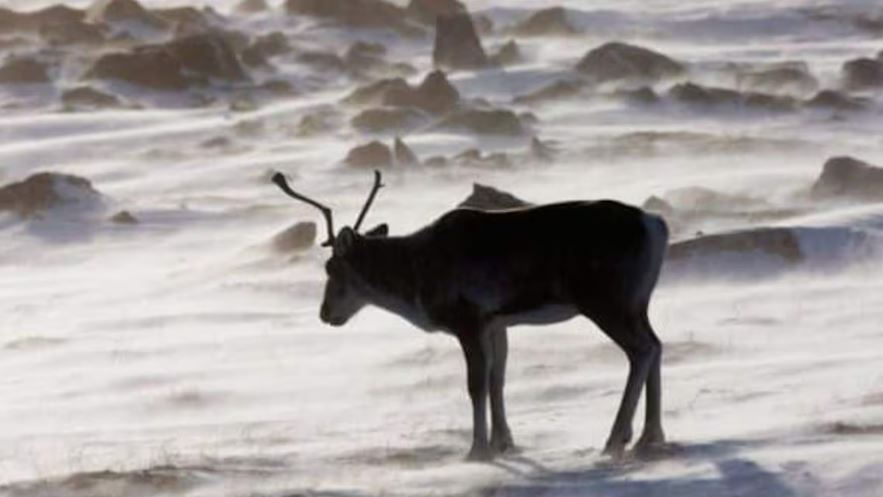
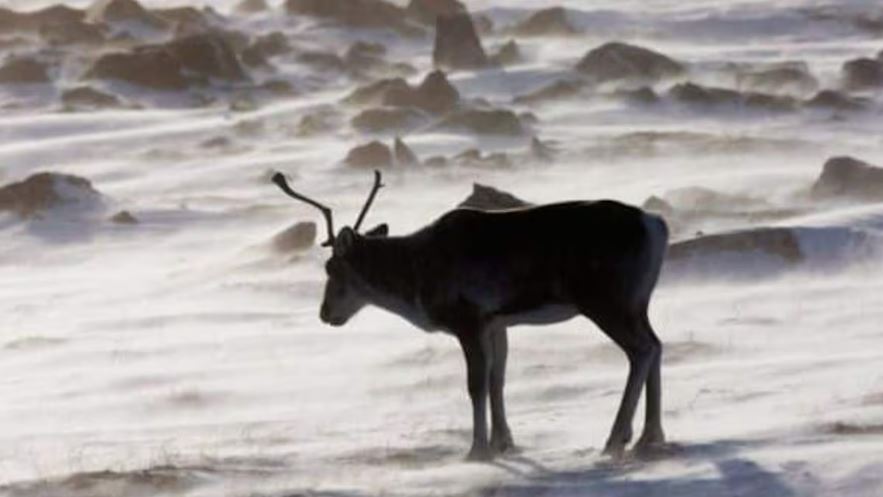
The Nunavut government is recommending a tenfold increase to the Baffin Island caribou harvest after a “dramatic recovery” in the population.
The proposal is detailed in a submission to the Nunavut Wildlife Management Board (NWMB) for its upcoming meetings beginning June 24 in Kinngait. The board has the authority under the Nunavut Agreement to set harvest levels.
Right now, the total allowable harvest for the 2026 season is 550 caribou and that figure is set to increase by 50 each following year.
The environment department is now suggesting this year’s quota to go up to 6,000 caribou — roughly 12 per cent of the estimated population — with an annual increase of 125 caribou each year.
A December 2025 report based on data from aerial surveys said the new recommendations are a result of strict controls on harvesting over the past decade.
In the 1990s, hunters across Baffin Island reported declining numbers of caribou. In 2015, the Nunavut government put a moratorium on harvesting.
That was eventually loosened, but the quotas were set at levels far lower than the thousands of caribou harvested each year in the two decades prior.
According to the report, caribou numbers between 2014 and 2024 increased by roughly 25 per cent each year.
“The dramatic lowering of the caribou harvest across Baffin Island by the NWMB and approved by the [Nunavut] Minister of Environment, we believe, set the stage for the dramatic recovery of the Baffin Island barren-ground caribou population,” the document reads.
Recommendations go over ‘well accepted’ sustainable harvest rate
Researchers initially proposed a lower limit of roughly 2,300 caribou for the 2026 season. That represents five per cent of the estimated population, which is a “well accepted low risk estimate of sustainable harvest”.
During consultations in February with elders, hunters and trappers organization representatives, and the Qikiqtaaluk Wildlife Board, participants wanted the Nunavut government to go even further.
The submission states that some participants pointed to the fact that past harvest levels were much higher, and they’re worried about growing food insecurity.
Meanwhile, there were also concerns about the risks of increasing harvest levels too quickly on harvest sustainability. They cited issues with a lack of conservation officers to manage high harvest levels, the need for continued monitoring, and the impacts from mining and industrial development.
Elders also warned against an overreliance on government science, and emphasized Inuit Qaujimajatuqangit, Inuit knowledge, which states caribou populations naturally fluctuate.
Many point to the 20-year cycle for caribou population growth followed by a decades-long decline.
Part of that cycle involves the lichen that caribou eat, which needs time to replenish itself.
Participants also proposed increasing the quota for female caribou to be bumped up from 20 to 40 per cent, which the Nunavut government included in its submission.
Decision to come soon
Now, it’s up to the NWMB to respond to the submission after their meeting, and Environment Minister Brian Koonoo said he hopes to have a decision soon after. The caribou harvest season generally begins in July.
“If my cabinet can meet as early as possible, perhaps in July, then we would like to be able to have a decision on the recommendation,” Koonoo said in Inuktitut.
The Nunavut government’s submission also made several other recommendations. They include holding annual meetings on caribou management, biennial population surveys, and maintaining a coordinated data collection program.
Related stories from around the North:
Canada: New maps shine light on decline of Bathurst Caribou in the N.W.T., CBC News
Finland: Sami Parliament in Finland call for reform to Reindeer Damage Act, Eye on the Arctic
Norway: As climate changes, Sami herders need to feed reindeer as rain creates ice layer, Reuters
Russia: Putin in Arkhangelsk: Arctic industry and infrastructure on agenda, The Independent Barents Observer
Sweden: Just how significant is the discovery of rare earth metals in Arctic Sweden?
United States: Alaskan tribes sue B.C. gov’t over mines in far northwest, CBC News