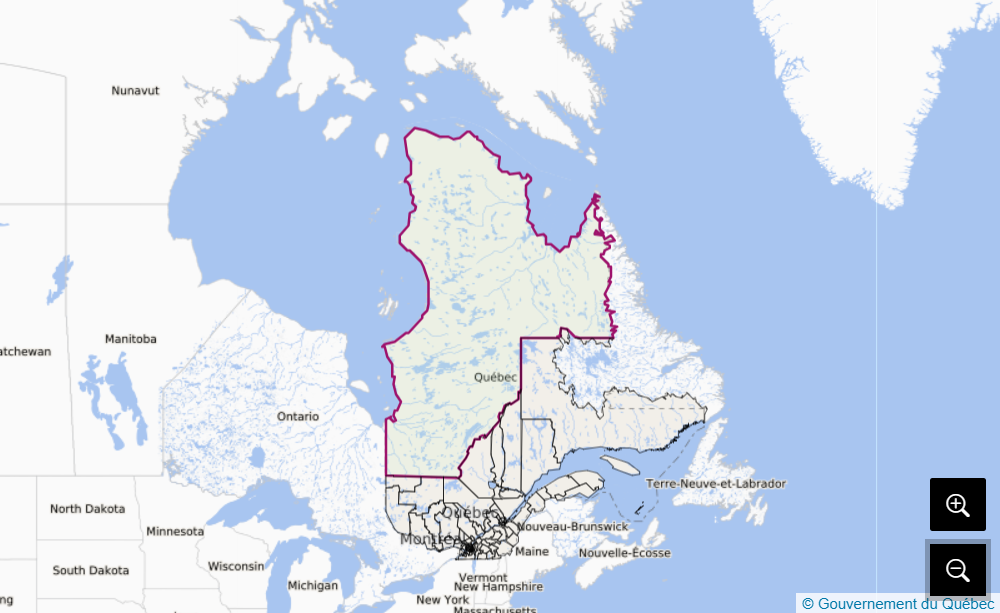
The Parti Québécois won the provincial election on Oct. 5 with 59 seats, including one in the Ungava riding which includes the Inuit region of Nunavik.
PQ candidate Sonia Caron received 3,312 votes, or 39.5 per cent of ballots, followed by Quebec Liberal Party candidate Sandrine Rioux with 2,308 votes, or 27.5 per cent of the ballots.
Conservative candidate Marc Damant was third, followed by the Coalition Avenir Québec’s Amélie Béchard and Québec solidaire candidate Antoine Côté.
Denis Lamothe, the CAQ member who’s represented Ungava since 2018, did not run for a third term.
“This victory is yours, and ours—[Eeyou Istchee Baie-James] and Nunavik!” Caron said in a Facebook post after her win, referring to the southern and northern regions that make up the Ungava riding.
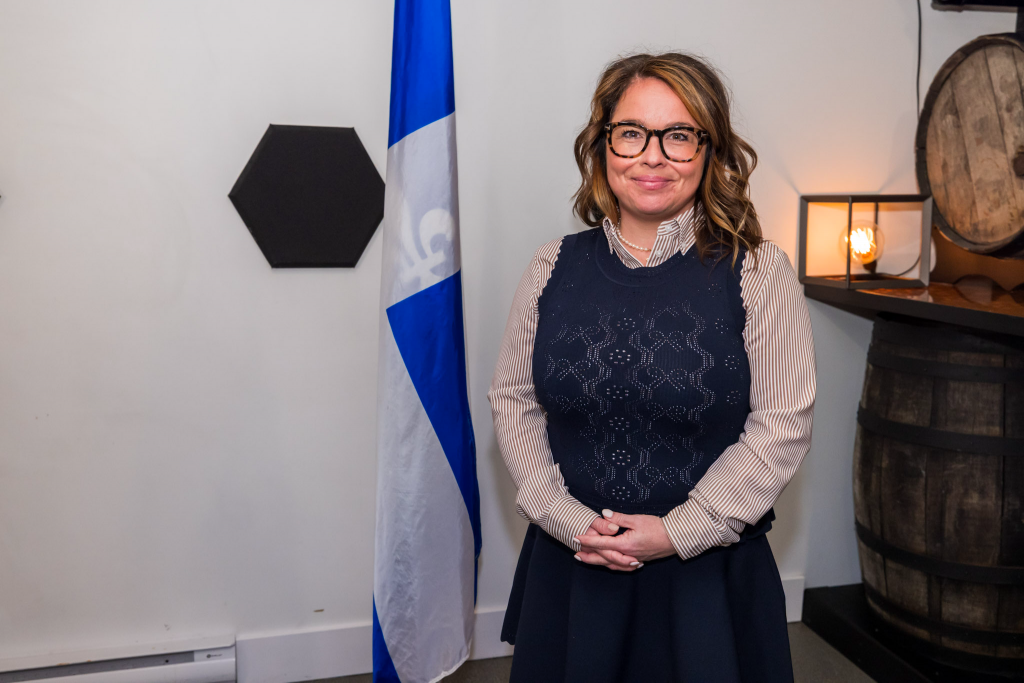
Born and raised in the region, Caron worked in education for 20 years, her PQ bio says. During the campaign, she pledged to support northern development that respects local communities while highlighting the North’s importance to the province.
“I hope to make you proud of our beautiful and vast northern territory, and proud to be Quebecers,” Caron said.
Voter participation 27.7 per cent in Ungava
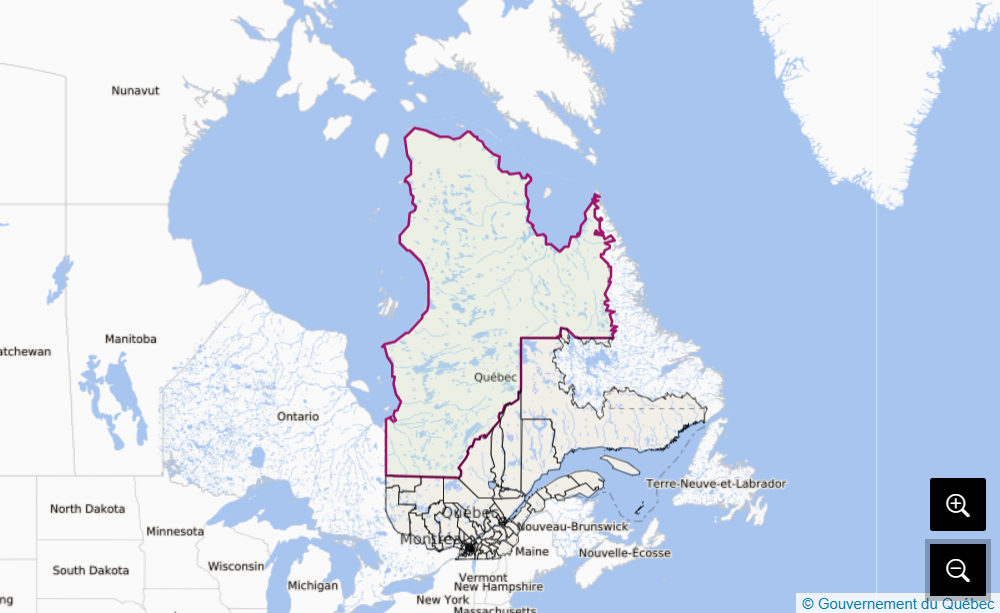
Ungava is the largest geographical riding in Quebec covering around 850,000 square kilometres, but also has one of the smallest riding populations in the province.
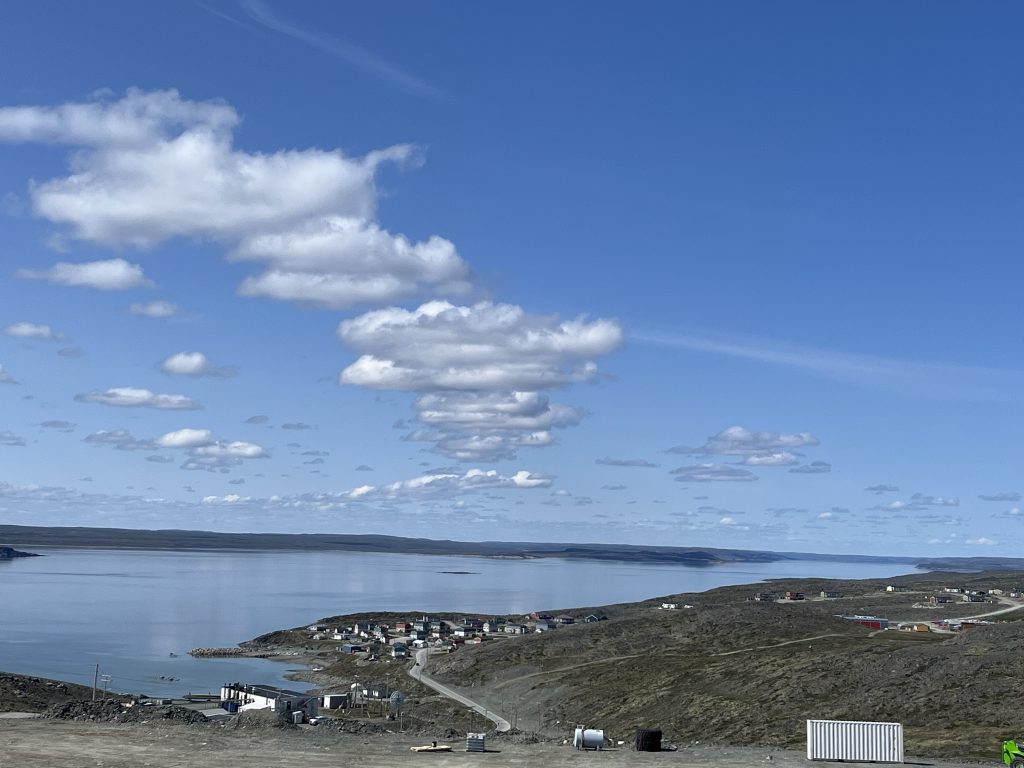
It includes the 14 Inuit communities of Nunavik, as well as First Nations communities and other predominantly non-Indigenous municipalities.
It also has one of the province’s lowest voter-turnout rates.
In the Nunavik region, residents point to the lack of candidate engagement with the region and the absence of regional commitments from the major parties.
For Monday’s elections, 30,849 people were registered to vote but only 8,557, or 27.7 per cent of valid ballots cast. For the province as a whole, the turnout was 66.9 per cent of eligible voters.
Northern-specific issues absent from Parti Québécois platform
The PQ, an independence party that aims to take the province out of Canada, won the largest number of seats in the election but fell short of a 64-seat majority, meaning it will need support from opposition parties to pass legislation.
Nunavik-specific commitments and funding were absent from the Parti Québécois election platform, but it included some general promises that could benefit the area, including making regional air travel more reliable and affordable.
Broader commitments to First Nations and Inuit in Quebec included support for Indigenous languages, education and culturally appropriate public services and the implementation of the United Nations Declaration on the Rights of Indigenous Peoples.
Comments, tips or story ideas? Contact Eilís at eilis.quinn(at)cbc.ca
Related stories from around the North:
Canada: Elections Canada says protocol wasn’t followed in Nunavik during federal election, The Canadian Press
Finland: Sámi Parliament warns Lapland service cuts would hit Sámi communities hard, Eye on the Arctic